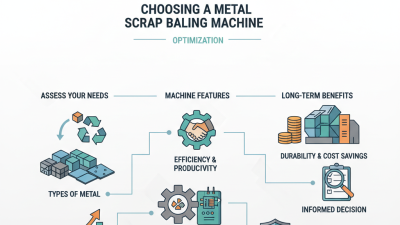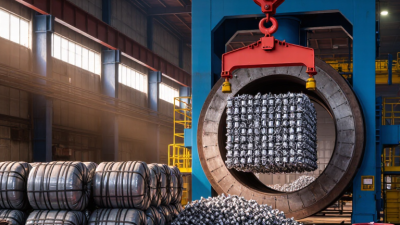
Choosing a Metal Baler Machine is a practical decision, not just a comparison of prices. In a busy recycling yard, the machine must handle the materials, workload, and operating rhythm of the site. A bale that comes out uneven can slow handling. A hard-to-reach service point can turn routine maintenance into lost production time. Small details matter.
For this guide, the expert quotation should be confirmed with a real, named specialist before publication: [Expert name], a metal-recycling equipment specialist, offers this proposed observation: “A baler performs best when its capacity matches the material flow and the maintenance plan.” The line is useful, but it is not a verified quotation. Buyers should check technical claims against manufacturer documentation and, where possible, operating references from similar facilities.
China has a broad field of metal-baling equipment manufacturers, with differences in machine design, customization, service support, and export experience. This Top 10 overview gives buyers a starting point for comparing them. Look beyond headline pressure ratings. Ask about feed openings, bale dimensions, cycle times, wear parts, and support after installation. Request clear specifications. Check what the quoted configuration actually includes.
No ranking can replace a site assessment. That is worth remembering. The right Metal Baler Machine depends on the material and the people who will run it, not just the brochure.
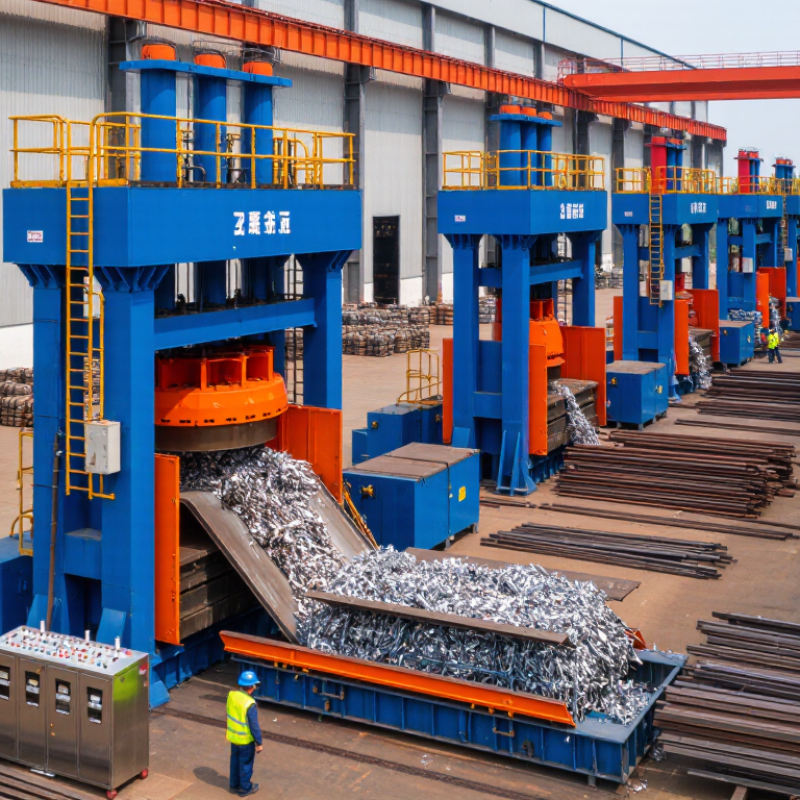
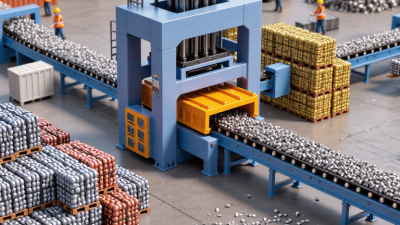
Metal baler machines use hydraulic force to compress loose metal into dense, manageable bales. This reduces storage space and makes material handling more predictable. Common feedstock includes clean manufacturing offcuts, sheet metal, and aluminum cans. The right machine depends on material thickness, bale dimensions, and daily throughput.
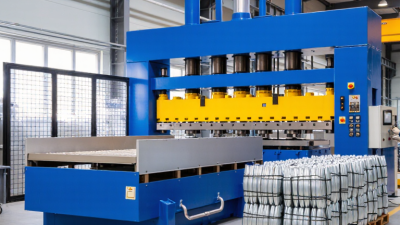
Horizontal balers suit higher-volume operations, often using conveyor or manual feeding. Vertical balers need less floor space and can work well in smaller facilities. Some models include automatic tying, while others require operators to secure each bale. Real output varies with material shape and loading habits. A machine’s rated capacity is only part of the picture.
Tips: Check chamber size, safety guards, and maintenance access before choosing. Keep hands clear of moving parts, and train operators to follow the equipment manual. Test representative material when possible. Sizing can still be a judgment call; mixed scrap may produce uneven bales, even when the machine is correctly set.
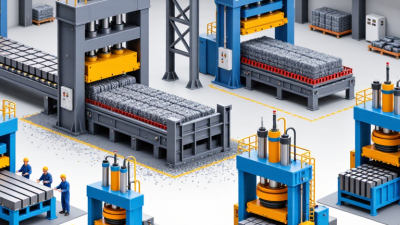
China’s metal baler manufacturing industry benefits from a large steel and machinery supply chain. The World Steel Association’s World Steel in Figures 2025 reports that China produced 1,005.1 million tonnes of crude steel in 2024. That figure shows the scale of the industrial ecosystem, not the size of the baler market. Still, it helps explain why local manufacturers can source steel plate, hydraulic components, and fabrication services close to their workshops. In practical terms, that can support varied machine designs and shorter sourcing routes.
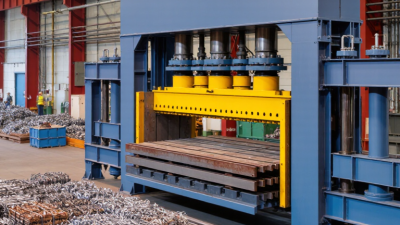
Metal balers are built for demanding yards: scrap must be compacted consistently, while cylinders, doors, and wear surfaces face repeated stress. Buyers should compare bale dimensions, pressing force, cycle time, power requirements, and safety features against their actual material mix. Ask for test results using similar scrap. A specification sheet alone cannot show how a machine handles tangled or uneven feedstock. Manufacturing scale matters, but it does not guarantee uniform quality; inspection and service arrangements deserve equal attention.
Tip: Request a material-specific trial, and check welds, hydraulic seals, and spare-part lead times before purchase. Shortcuts here can cost more later.
A reliable metal baler manufacturer should be judged by how well its equipment fits the buyer’s actual scrap, not by brochure claims. Ask for the recommended chamber size, bale dimensions, and rated force for the materials you process. Then compare those figures with a sample of your own feedstock. Mixed thicknesses can change how material loads and compresses.
Request a live demonstration or a recorded test using similar scrap. Watch the loading process, cycle time, bale ejection, and control response. A fast cycle alone proves little. Check welds, hydraulic hoses, cylinder access, and guarding around moving parts. Ask how routine maintenance is performed and which wear parts should be stocked. Small details matter.
Service support deserves equal attention. Request written warranty terms, expected response times, and references from facilities with comparable operating hours. Verify that technicians can explain troubleshooting clearly, not just promise quick repairs. A tidy showroom is not enough. If possible, inspect a machine after sustained use; fresh paint can hide very little, but it can influence first impressions. No evaluation is perfect, and a buyer may still overlook a practical issue. A documented acceptance test helps reduce that risk.
| No. | Evaluation Criterion | What to Assess | Evidence to Request | Suggested Weight |
|---|---|---|---|---|
| 1 | Machine specifications and capacity | Check rated pressing force, chamber dimensions, bale size, and stated throughput. Confirm whether capacity figures depend on the material type and operating conditions. | Technical datasheet, machine drawings, and a written capacity statement for the intended material. | 15% |
| 2 | Material and application suitability | Verify that the machine is designed for the buyer’s scrap type, such as steel, aluminum, or other non-ferrous metals, and for the expected material form and feed method. | Application references, feed and material limits, and a proposed machine configuration. | 13% |
| 3 | Safety provisions | Review guarding, emergency stops, interlocks, operating controls, and documented procedures for safe loading and maintenance. | Risk assessment, safety instructions, electrical diagrams, and applicable conformity documentation for the destination market. | 12% |
| 4 | Build quality and key components | Assess the frame, chamber, hydraulic system, electrical components, and wear parts. Confirm component specifications and serviceability rather than relying on general quality claims. | Bill of materials or component list, equipment drawings, and inspection or quality-control records. | 11% |
| 5 | Customization and system integration | Determine whether the proposed layout, loading arrangement, controls, and discharge method fit the site and connect with existing material-handling equipment. | Site layout, interface requirements, configuration proposal, and a list of included and optional items. | 10% |
| 6 | Quality management and traceability | Check how incoming materials, production steps, inspections, and nonconformities are controlled and recorded. Verify any claimed management-system certification independently. | Quality procedures, inspection records, and a current certificate with its issuing body and scope. | 10% |
| 7 | Testing and acceptance criteria | Confirm that commissioning and acceptance tests define measurable checks, operating conditions, and responsibility for resolving deficiencies. | Factory and site acceptance test plans, test records, and agreed performance criteria. | 9% |
| 8 | Warranty and after-sales support | Review warranty duration and scope, exclusions, response arrangements, troubleshooting support, and availability of service personnel for the buyer’s location. | Written warranty terms, service process, contact details, and spare-parts support terms. | 8% |
| 9 | Spare parts and maintenance | Assess recommended maintenance tasks, consumable and wear-part availability, and the practical requirements for routine servicing. | Maintenance schedule, recommended spare-parts list, and parts ordering and delivery terms. | 7% |
| 10 | Commercial and delivery transparency | Compare the stated scope, exclusions, delivery schedule, installation responsibilities, training, payment terms, and shipping arrangements. | Itemized quotation, delivery schedule, contract terms, and a clear list of customer responsibilities. | 5% |
| Total suggested evaluation weight | 100% | |||
China’s metal baler manufacturers serve a large steel-processing economy. World Steel Association’s World Steel in Figures 2024 reports that China produced 1,019.1 million tonnes of crude steel in 2023, about 54% of global output. That figure describes steel production, not baler sales, but it illustrates the scale of the material-handling market. A “top 10” list is most useful when it compares verifiable capabilities, rather than promotional claims.
When assessing manufacturers, check the rated pressing force, chamber dimensions, bale size, cycle time, and motor power. Match these specifications to the actual scrap: thin sheet offcuts behave differently from dense metal turnings. Ask for a test using your material, and inspect welds, hydraulic hoses, guards, and access for routine maintenance. Small details matter.
Request cycle-time data under stated operating conditions, plus references from comparable facilities. Confirm what the warranty covers and whether replacement parts are available locally. A machine’s quoted capacity may depend on feed material and operating practice, so compare like with like. Brochures rarely show every limitation. That is worth remembering. A careful shortlist of ten manufacturers should therefore prioritize documented performance, safety features, service support, and transparent specifications—not just the biggest numbers.
China’s metal baler manufacturers differ in more than press force. Some focus on compact vertical machines for small workshops, while others offer horizontal balers for steady, high-volume scrap handling. Check the materials each model can process, the bale dimensions, and the machine’s duty cycle. A large motor rating alone tells little about daily output. Ask for operating data under conditions similar to your facility.
Service can separate two otherwise similar quotations. Compare installation support, operator training, spare-parts availability, and response times. Ask whether manuals include clear maintenance intervals and wiring diagrams. Small details matter. A worn cutting edge or delayed sensor can interrupt a shift. Export reach also deserves careful review: manufacturers with established overseas shipments may understand packaging, shipping coordination, and remote troubleshooting. Still, export experience does not guarantee smooth support in every region. Request references from comparable installations, and confirm what service is actually included. I would not rank suppliers by brochure claims alone; those claims can look precise while leaving important gaps. A factory visit or live machine demonstration can reveal the practical differences.