Leave Your Message

How to Choose the Best Metal Scrap Baling Machine?

Choosing the right Metal Scrap Baling Machine begins with material reality, not a glossy specification sheet. Scrap yards handle steel offcuts, aluminum cans, copper wire, and mixed industrial remnants. Each material behaves differently under pressure. Density matters. Moisture matters. So does contamination.

The scale is substantial. The U.S. Geological Survey reported approximately 58 million metric tons of steel scrap recycled in the United States during 2023. The World Steel Association also identifies scrap as a major input for global steel production. These figures show why reliable baling equipment matters. A poorly matched machine can create loose bales, slow loading, and unnecessary maintenance. Small problems become expensive quickly.

Industry expertise helps, but it should be tested against site conditions. ISRI Chief Economist Joe Pickard has emphasized, “Scrap is not waste; it is a resource.” That principle changes the buying question. Do not ask only about motor power. Ask about bale density, chamber dimensions, cycle time, shear capability, safety systems, and service access. Watch the machine operating, if possible. Listen for hydraulic strain. Inspect the finished bale edges.

There is no perfect machine. That is worth admitting. A high-capacity baler may waste energy in a small yard. A compact model may struggle with thick steel plate. The best choice balances throughput, material type, labor, power supply, floor space, and lifetime support. This guide explains how to compare those factors with practical evidence, credible industry data, and fewer assumptions.
How to Choose the Best Metal Scrap Baling Machine?

Define Your Metal Scrap Baling Requirements

Before choosing a metal scrap baling machine, define the material it must process. Steel, aluminum, copper, and mixed alloys behave differently under pressure. Record the average scrap size, thickness, moisture level, and contamination. Sharp edges can affect feeding stability and chamber wear. Loose wire needs different handling from stamped metal pieces.

Measure your real daily volume, not your best production day. Include peak loads, shift length, and the desired bale weight. Bale dimensions also matter. A recycling yard may need compact bales for storage, while a transport operation may prioritize heavier units. Measure the available floor space, ceiling height, loading access, and power supply.

Space matters. A machine that fits on paper may restrict forklift movement.

My early capacity estimates were too optimistic because I ignored loading delays and material changes. That mistake is worth avoiding. Ask operators to test representative scrap, including the difficult batches. Check cycle time, bale density, tying method, noise, and access for maintenance.

Review safety guarding, emergency controls, training needs, and local equipment requirements with qualified professionals. Reliable performance depends on more than pressing force. It also depends on feeder design, hydraulic stability, spare-part access, and clear operating procedures. Leave room for future volume growth, but do not pay for capacity your site cannot safely use.
Compare Baler Types and Suitable Scrap Materials

How to Choose the Best Metal Scrap Baling Machine?

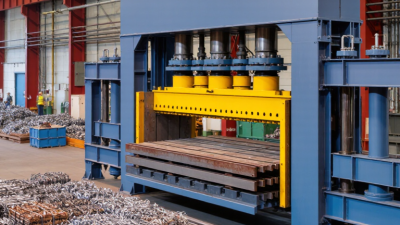
The right baler depends on scrap type, volume, and the pressure needed for a stable bale. A vertical baler suits smaller yards handling aluminum cans, copper wire, and light sheet metal. It uses limited floor space, but loading is more manual. Operators should check chamber size carefully. Oversized pieces can block the door or produce loose bales.

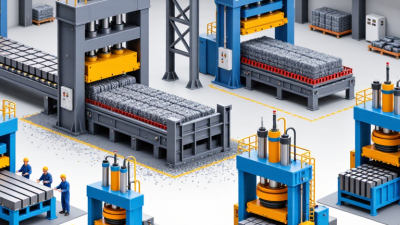
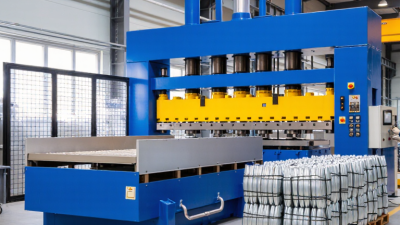
Horizontal automatic balers fit high-volume operations. They process prepared aluminum, brass, copper, and thin steel scrap with less manual handling. Their conveyor-fed design supports steady production. However, they require more floor space and regular hydraulic maintenance. A two-ram baler handles mixed nonferrous scrap and irregular bundles more flexibly. It can produce dense bales, even when the material shape is inconsistent. Still, poor sorting may reduce bale quality.

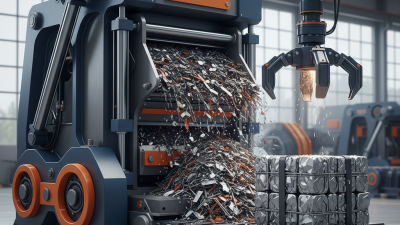
For bulky steel, a shear baler is often more suitable. It compresses and cuts heavy sections, including structural offcuts and vehicle-related steel components. The machine needs strong foundations, guarded working areas, and trained operators. Material moisture, bale density, and wire choice also affect performance. A common mistake is choosing by motor power alone. I have seen buyers overlook feeding space and maintenance access. That decision creates daily delays. Test representative scrap before purchase, because catalog figures rarely show every difficult material.

How to Choose the Best Metal Scrap Baling Machine? - Compare Baler Types and Suitable Scrap Materials

A practical comparison of common metal scrap baler configurations, operating characteristics, and recommended applications.

Baler Type Typical Press Force Typical Bale Density Suitable Scrap Materials Typical Bale Size Typical Throughput Main Advantages Key Limitations Best Fit
Horizontal Shear Baler 630–2,000 tonnes High; commonly 1.2–2.0 t/m³, depending on material Steel sheets, light structural steel, car bodies, pipes, mixed ferrous scrap 250–600 mm square or rectangular bundles; adjustable on many machines Approximately 5–25 tonnes/hour Cuts and compresses oversized scrap; produces dense, furnace-ready bundles; suitable for continuous industrial operation High purchase cost, substantial floor space, and greater installation requirements Large scrap yards, steel service centers, and high-volume recycling plants
Horizontal Compression Baler 100–800 tonnes Medium to high; commonly 0.8–1.6 t/m³ for light metal scrap Aluminum profiles, aluminum cans, copper wire, thin sheet, light non-ferrous scrap 200–500 mm square or rectangular bales Approximately 2–12 tonnes/hour Efficient feeding, compact footprint compared with shear balers, and good automation potential Less suitable for very thick, long, or highly irregular ferrous scrap unless pre-cut Medium-volume facilities handling sorted, relatively light scrap
Vertical Metal Baler 30–160 tonnes Medium; commonly 0.5–1.2 t/m³ Aluminum cans, copper cable, small sheet offcuts, turnings, and light mixed scrap 300–600 mm square or rectangular bales Approximately 0.5–4 tonnes/hour Lower investment, simple operation, and relatively small installation area Slower cycle times and lower bale density; manual loading is common Workshops, retail collection points, small recyclers, and facilities with limited space
Two-Ram Baler 500–1,500 tonnes High; commonly 1.0–1.8 t/m³ Mixed non-ferrous scrap, aluminum, copper, brass, radiators, and prepared light iron 250–500 mm square or rectangular bales Approximately 5–20 tonnes/hour Handles variable feedstock well, reduces bridging, and supports automated continuous feeding More complex hydraulic and control systems; higher maintenance requirements than basic balers Large processors handling changing material streams and high daily volumes
Alligator Shear Baler 50–500 tonnes Low to medium; usually sold as cut pieces or loose compacted bundles Small steel sections, rods, bars, cables, pipes, and short offcuts Cut lengths typically 100–600 mm; bale formation depends on configuration Approximately 1–8 tonnes/hour Useful for cutting long scrap to manageable lengths with relatively simple loading Does not produce the same dense, uniform bales as a dedicated metal baler Small and medium recyclers needing size reduction before further processing
Turnings Briquetting Press 30–250 tonnes Very high; compact briquettes may exceed 2.0 t/m³ Steel, cast iron, aluminum, brass, and copper machining chips or turnings Usually cylindrical briquettes about 40–100 mm in diameter Approximately 0.1–3 tonnes/hour Recovers valuable cutting fluids, reduces storage volume, and improves furnace handling Designed for chips rather than bulky scrap; material should be reasonably sorted and drainable Machine shops and metalworking plants producing large quantities of turnings
Selection note: Actual performance depends on scrap composition, moisture, bulk density, feeding method, bale dimensions, cycle time, and operator practices. Confirm the required press force and throughput using representative material samples before purchase.

Evaluate Machine Capacity, Pressure, and Bale Size

Choosing the best metal scrap baling machine starts with capacity, pressure, and bale size. In daily operations, I have learned that a high-rated machine is not always the right choice. Check the expected scrap volume per hour, then compare it with the machine’s actual working capacity. Leave some reserve for busy periods. A machine running at its limit may overheat, slow production, or require frequent maintenance.

Pressure controls how tightly metal scrap is compressed. Higher pressure can create denser bales, but it also demands stronger chambers, hydraulic systems, and structural support. Review the scrap type, thickness, and shape before selecting pressure. Thin sheet metal may need different settings than heavy cut sections. Ask for verified test results, not only catalog figures. Watch the complete cycle, including loading, compression, tying, and discharge. Real performance can differ.

Bale size affects storage, transport, and handling equipment. Measure the available storage area and confirm the lifting capacity of forklifts or cranes. Smaller bales are easier to move. Larger bales may reduce handling time. However, oversized bales can become difficult to position safely. I once focused too much on hourly output and overlooked bale compatibility with existing equipment. That mistake increased handling delays. Review your workflow carefully, and treat quoted specifications as a starting point, not a final decision.

Check Safety Features, Automation, and Maintenance Needs

How to Choose the Best Metal Scrap Baling Machine?

Safety should guide the purchase, not just bale density. OSHA estimates that proper lockout/tagout practices prevent about 120 deaths and 50,000 injuries annually in the United States. A suitable baler needs guarded chambers, interlocked access doors, emergency stops, and clear isolation points. Check whether its control system supports risk assessment under ISO 12100. Do not accept vague safety claims. Ask for test records and maintenance instructions.

Automation can reduce repetitive handling and improve bale consistency. The International Federation of Robotics reported 541,302 industrial robots installed worldwide in 2023. A scrap baler does not need maximum automation. It needs reliable sensors, automatic wire feeding, fault alerts, and simple manual override controls. Complex systems may increase downtime when operators lack training. That weakness is easy to underestimate.

Tips: Compare maintenance access before comparing cycle speed. Inspect hydraulic hoses, filters, cutting edges, and sensor locations. Ask how quickly common parts can be replaced. The U.S. Department of Energy reports that predictive maintenance can reduce maintenance costs by 8% to 12% compared with preventive programs. Still, sensors are not magic. Dust, vibration, and mixed scrap can produce false alarms. A practical trial with your actual material is often more revealing than a polished specification sheet. Perfect equipment rarely exists.

Assess Energy Use, Total Cost, and Supplier Support

Choosing the best metal scrap baling machine requires more than comparing purchase prices. In daily operation, energy use quietly shapes production costs. Ask for measured power consumption during feeding, compression, and idle periods. A machine drawing high power while waiting can weaken margins. Request test data from material similar to yours. Steel offcuts, aluminum cans, and mixed scrap behave differently. Small details matter.

Calculate total cost across several years, not only the invoice. Include installation, electrical upgrades, maintenance, hydraulic oil, replacement seals, labor, and downtime. A cheaper press may need frequent adjustments. That saving can disappear quickly. Estimate cost per bale using your expected monthly volume. Leave room for mistakes. Real production rarely matches a spreadsheet. I have seen operators underestimate cleaning time and bale handling. Those minutes accumulate.

Supplier support deserves the same scrutiny as machine specifications. Ask who answers technical calls, how quickly parts ship, and whether training is hands-on. Reliable support should provide manuals, maintenance schedules, safety guidance, and troubleshooting records. Speak with users operating similar materials, if possible. A confident sales promise is not proof. Check response quality before purchase. Good support reduces uncertainty, but it cannot fix a poor machine match. Review your material, bale size, floor space, and operator skills honestly. The best choice may not be the most powerful model.