Leave Your Message

China Top Automatic Metal Baler Manufacturers?

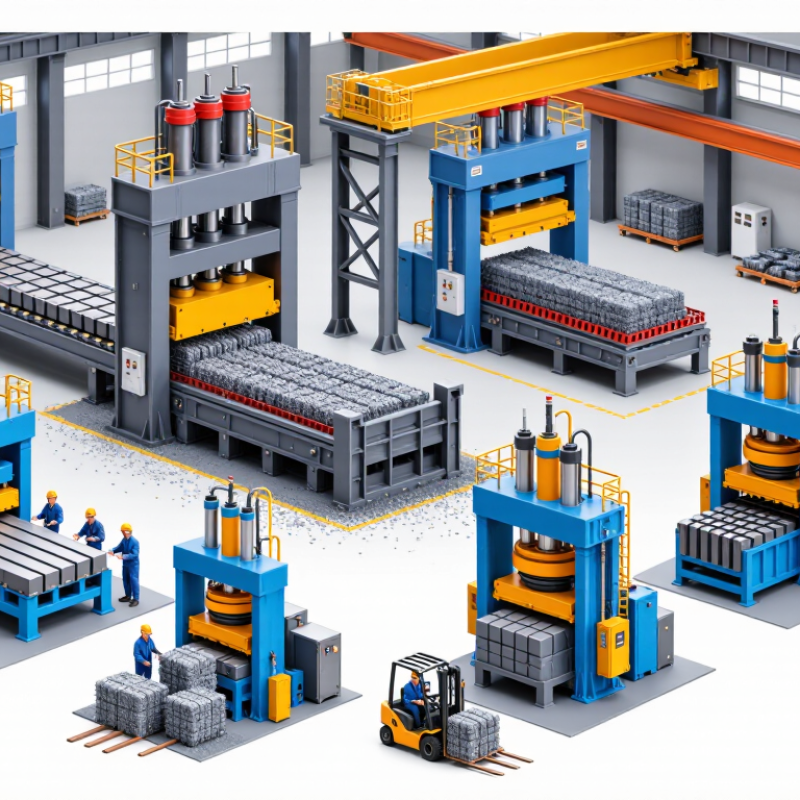
China has become a major sourcing base for industrial recycling equipment, including the Automatic Metal Baler. Manufacturers serve scrap yards, steel mills, demolition contractors, and material recovery facilities worldwide. Their product ranges often include horizontal balers, vertical balers, and customized hydraulic systems.

Choosing a reliable supplier requires more than comparing purchase prices. Buyers should examine pressing force, chamber size, cycle time, motor efficiency, and bale density. These details affect transport costs and daily productivity. Factory experience also matters. A capable manufacturer should explain material limits, maintenance intervals, spare parts, and installation requirements clearly. Practical evidence helps, such as production records, machine testing videos, customer references, and documented quality procedures.

Safety deserves equal attention. Look for emergency-stop systems, guarded moving parts, stable hydraulic performance, and clear operating instructions. Suppliers should also support reasonable compliance with the regulations applicable in the buyer’s location. After-sales service can determine whether a machine remains productive after installation. Remote troubleshooting is useful, but trained technicians and accessible replacement parts are better.

The market is not flawless.

Some supplier claims require careful verification. Product photos may show ideal conditions, not everyday factory performance. Factory visits, sample testing, and written technical specifications can reduce uncertainty. This guide compares leading China Automatic Metal Baler manufacturers through equipment capability, customization, quality control, service response, and industry experience. The goal is practical selection, not exaggerated promotion. Buyers should still match each recommendation with their metal types, operating volume, budget, and local safety expectations.
China Top Automatic Metal Baler Manufacturers?

What Is an Automatic Metal Baler and How Does It Work?

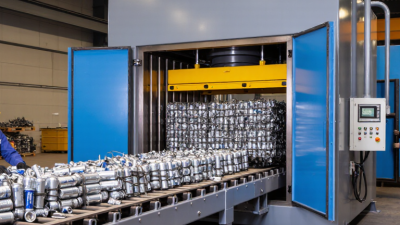
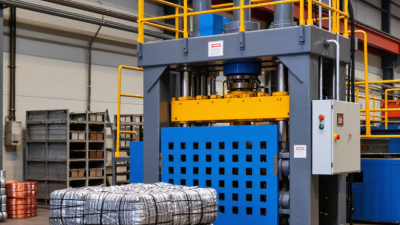
An automatic metal baler compresses loose scrap into dense, transportable bales. It commonly handles steel offcuts, aluminum cans, copper pieces, and prepared industrial scrap. The machine is not a simple metal press. A feeding conveyor or loading chamber receives the material, while guards and sensors monitor access and movement.

Inside the chamber, hydraulic cylinders drive a heavy ram against the scrap. Pressure rises as the metal fills the available space. Position sensors then signal the control system to slow or stop the ram. Many automatic models use a programmable controller to manage feeding, compression, bale release, and fault alarms. After compaction, the finished bale moves out through an automatic discharge system. Some designs also include automatic strapping, depending on the material and production target.

Operation still needs practical judgment. Wet scrap can slip, and long pieces may bridge across the chamber. That matters. Workers should inspect the feed area, hydraulic hoses, emergency stops, and sensor response before each shift. A safer setup uses clear loading rules and keeps people away from the compression zone. Chinese manufacturers often provide different chamber sizes, motor capacities, and pressure settings for recycling plants, steel workshops, and metal-processing facilities. However, a larger machine is not always better. Poorly matched specifications may waste power, increase maintenance, or produce unstable bales. Experienced operators usually adjust feeding speed and pressure after observing real scrap conditions, not only catalog data.
China Top Automatic Metal Baler Manufacturers? - What Is an Automatic Metal Baler and How Does It Work?

Data Dimension Typical Information How It Works or Why It Matters Common Selection Considerations
Equipment Definition An automatic metal baler is a hydraulic recycling machine that compresses loose metal scrap into compact, tied or untied bales. It reduces the volume of scrap and creates a denser, more manageable form for storage, handling, transport, and recycling. Choose the machine according to the metal type, required bale density, available floor space, and processing volume.
Typical Feedstock Steel offcuts, aluminum cans, copper scrap, brass, light-gauge sheet metal, wire, and mixed non-ferrous scrap. Different materials have different compression resistance, bulk density, and expansion characteristics after pressing. Confirm whether the machine is designed for ferrous scrap, non-ferrous scrap, or both.
Loading Method Scrap is commonly loaded into a rectangular charging box by conveyor, grab crane, loader, or manual feeding, depending on the system design. After the charging box reaches the required fill level, the hydraulic ram compresses the material through one or more pressing stages. Automatic lines generally require suitable material-feeding equipment and consistent scrap loading.
Main Power Source Electric motor-driven hydraulic power unit. The motor drives a hydraulic pump, which sends pressurized oil to cylinders that move the compression ram and other machine components. Check the required voltage, frequency, installed power, hydraulic oil capacity, and local electrical standards.
Common Installed Power Range Approximately 30–250 kW for many industrial scrap-baling applications; larger systems may require more. Installed power affects pressing speed, cycle time, and the machine’s ability to process difficult or dense scrap. Power should be selected together with material type, throughput, pressing force, and duty cycle rather than as an isolated figure.
Typical Pressing Force Approximately 630–3,150 kN for a broad range of horizontal and automatic metal balers. Hydraulic cylinders convert fluid pressure into linear force to compact the scrap inside the compression chamber. Higher force is generally required for thicker, stronger, or more heavily packed metal scrap.
Bale Shape Common outputs include rectangular bales, square bales, and compact blocks. Some machines produce cylindrical or briquetted products for specific materials. The chamber and extrusion mechanism determine the final bale geometry and discharge direction. Select a shape compatible with warehouse stacking, transport containers, and downstream melting or sorting operations.
Typical Bale Density Steel scrap bales may commonly reach about 1,000–2,000 kg/m³, while non-ferrous bale density varies substantially by alloy and feedstock form. Density depends on material composition, contamination, moisture, bale dimensions, pressing force, and the degree of expansion after discharge. Use a measured trial bale or a material test when a specific density is required for transport or furnace charging.
Typical Bale Weight Approximately 30–500 kg per bale for many applications, although specialized equipment can produce lighter or heavier bales. Bale weight is determined by chamber size, material density, compression ratio, and the programmed pressing cycle. Match bale weight to forklift capacity, crane capacity, container payload limits, and buyer handling requirements.
Automatic Operating Sequence Feeding → chamber filling → pre-compression → main compression → extrusion or discharge → return to the next cycle. Programmable logic controls and hydraulic valves coordinate the sequence with sensors and limit switches. Automatic operation improves repeatability, but correct sensor calibration and regular maintenance remain necessary.
Binding Method Depending on the equipment design, bales may be discharged without binding, tied with wire, strapped, or secured by an integrated tying system. Binding prevents loose scrap from expanding during storage and transportation. Consider the required bale stability, labor availability, tying-material cost, and downstream recycling process.
Typical Throughput Factors Throughput is influenced by scrap type, bulk density, loading method, bale weight, chamber size, and cycle time. A larger rated capacity does not always deliver higher output if the feedstock is irregular or the loading process is slow. Request a capacity test using the actual scrap material instead of relying only on an empty-machine cycle time.
Hydraulic System Usually includes a hydraulic tank, pump, valves, cylinders, pressure-control devices, filters, hoses, and cooling components. The hydraulic system supplies controlled force and movement to the compression and discharge mechanisms. Important checks include oil cleanliness, filtration, leakage prevention, cooling performance, and spare-parts availability.
Control System Industrial control panels commonly include a programmable logic controller, touch-screen interface, sensors, emergency stops, and overload protection. The control system manages the automatic cycle and helps protect the machine from unsafe conditions or abnormal loads. Look for clear fault codes, manual override functions, safety interlocks, and language options required by operators.
Safety Features Typical features include emergency-stop buttons, guarded moving areas, hydraulic overload protection, door or cover interlocks, and warning indicators. These features help reduce the risk of crushing, unexpected movement, hydraulic release, and access to hazardous areas. Installation should comply with applicable local machinery, electrical, guarding, and workplace-safety requirements.
Material Preparation Oversized pieces, sealed containers, explosive items, pressurized cylinders, and excessive non-metal contamination should be removed before processing. Improper feedstock can damage the chamber, cutters, hydraulic components, or create serious safety hazards. Establish a documented inspection and sorting procedure before scrap enters the charging box.
Maintenance Requirements Routine work includes lubrication, hydraulic-oil inspection, filter replacement, bolt and wear-part checks, electrical inspection, and cleaning. Preventive maintenance helps maintain pressing force, cycle consistency, safety performance, and equipment service life. Use a maintenance schedule based on operating hours, material abrasiveness, moisture, dust, and production intensity.
Best-Fit Applications Scrap yards, metal-processing plants, demolition recycling, automotive recycling, appliance recycling, foundries, and municipal recycling facilities. Compacting scrap lowers storage volume and can improve loading efficiency for trucks, railcars, and shipping containers. Evaluate the available loading area, material flow, noise limits, foundation requirements, and finished-bale logistics.

Note: The numerical values shown are typical industry ranges for general comparison. Actual performance depends on machine configuration, feedstock composition, moisture, contamination, bale dimensions, operating conditions, and local safety requirements.

Key Features of China’s Leading Automatic Metal Baler Manufacturers

China’s leading automatic metal baler manufacturers focus on stable operation, not just impressive pressure ratings. Their machines often use reinforced chambers, high-strength hydraulic cylinders, and wear-resistant cutting edges. These parts handle steel scrap, aluminum pieces, and mixed metal offcuts during demanding shifts. A practical design also includes a wide feeding opening and an automatic tying or ejection system. Operators spend less time near moving components.

Modern control systems are another key feature. PLC-based panels can monitor pressure, cycle time, oil temperature, and fault signals. Sensors help prevent operation when the chamber door is not fully secured. Remote diagnostics may support faster troubleshooting, especially for overseas users. Clear wiring labels and accessible maintenance points show real engineering experience. However, automation is not always perfect. Dust, uneven scrap, or poor loading can still interrupt a cycle.

Reliable manufacturers usually provide tested hydraulic components, detailed manuals, spare-parts guidance, and operator training. They should explain production capacity using actual material conditions, rather than ideal laboratory figures. Buyers can request chamber dimensions, bale density ranges, noise data, and energy consumption records. Factory inspections and documented quality checks add useful evidence. One detail is often overlooked: after-sales response time. A powerful baler becomes expensive when a small sensor failure stops production for several days. Good suppliers discuss these weaknesses openly and help users plan preventive maintenance.

Major Types of Automatic Metal Balers Made in China

China’s automatic metal baler manufacturers produce several machine types for recycling plants, steel mills, and scrap yards. Each design suits different material sizes, working spaces, and production targets. Choosing by appearance alone is a common mistake.

Horizontal automatic balers handle bulky scrap, such as car bodies, steel sheets, and aluminum profiles. Their long compression chambers support continuous feeding and high output. Two-ram models usually control uneven loads better, especially when materials contain mixed shapes. Vertical balers need less floor space. They suit smaller yards processing cans, light steel, and prepared bundles. Metal briquetting presses compact chips, turnings, and loose shavings into dense blocks. These machines often include automatic feeding, hydraulic compression, and timed discharge systems. Output density depends on material moisture, alloy type, and chamber pressure. Not every specification is realistic in daily operation.

Tips: Check the feeding opening, bale size, motor power, and cycle time together. Ask for a test using your actual scrap. Review welding quality, hydraulic seals, electrical protection, and spare-part access. A machine may look efficient but require frequent manual clearing. Operators should also measure noise, heat, and floor vibration during extended trials. Clear manuals and responsive technical support improve reliability, even when the purchase price is not the lowest. Test results matter more than attractive catalog numbers.

Major Types of Automatic Metal Balers Made in China

The chart compares common automatic metal baler configurations by their typical finished-bale weight range. Automatic horizontal balers are widely used for high-volume scrap processing, two-ram balers handle dense and mixed scrap, vertical balers suit compact operations, and non-ferrous briquetting presses produce smaller, high-density briquettes. Actual output depends on material type, chamber size, compression force, and operating settings.

How to Compare Chinese Metal Baler Manufacturers and Suppliers

Comparing Chinese metal baler manufacturers requires more than checking online prices. Start with the machine’s working details: processing capacity, bale size, motor power, chamber dimensions, and suitable metal types. Ask for a complete specification sheet. Vague answers are a warning sign. A reliable supplier should explain how the quoted output was measured. Test conditions matter.

Request factory photographs, production videos, inspection records, and recent customer references. Confirm whether key components are produced in-house or purchased from outside vendors. Check welding quality around the chamber and inspect the hydraulic system for accessible maintenance points. Small design choices matter. Ask how quickly common seals, hoses, and electrical parts can be supplied. Also review warranty coverage, installation guidance, operator training, and remote troubleshooting.

Price comparison should include packaging, spare parts, shipping, commissioning, and local technical support. A cheaper quotation may hide important exclusions. Request a sample test using your actual metal material, because theoretical capacity can differ from workshop results. Verify export documents and safety information for your destination. No comparison is perfect. Supplier websites may look polished, while factory communication remains slow or unclear. Keep a written question list and compare every answer in one table. This simple step often reveals inconsistent specifications, changing delivery promises, or unclear responsibility after payment.

Quality, Safety, Customization, and After-Sales Service Standards

China’s top automatic metal baler manufacturers should be judged beyond compression force. Quality begins with traceable steel grades, stable weld penetration, and documented factory testing.

World Steel Association data reports about 1.89 billion tonnes of crude steel production in 2023. That scale demands reliable equipment, not impressive specifications alone.

Buyers should request cycle-life records, hydraulic leakage tests, noise measurements, and sample bales from similar materials. Small details matter.

Safety must be observable. Guard interlocks, emergency stops, pressure relief systems, and safe maintenance access should follow ISO 12100 and ISO 13849-1 principles.

The U.S. Bureau of Labor Statistics recorded 5,283 fatal work injuries in 2023, although this figure covers all industries. It still shows why risk controls deserve serious review.

Customization should match feedstock, bale density, loading method, and available floor space. A capable manufacturer can provide drawings, electrical documentation, training, and validated changes.

After-sales service should include spare-parts availability, remote diagnostics, response targets, and technician training.

Do not accept vague promises. Ask for service records and escalation contacts.

No checklist is perfect. Buyers can still overestimate automation and underestimate operator training. A practical factory audit often reveals more than a polished quotation.