How to Choose the Best Metal Scrap Baling Machine for Your Needs?
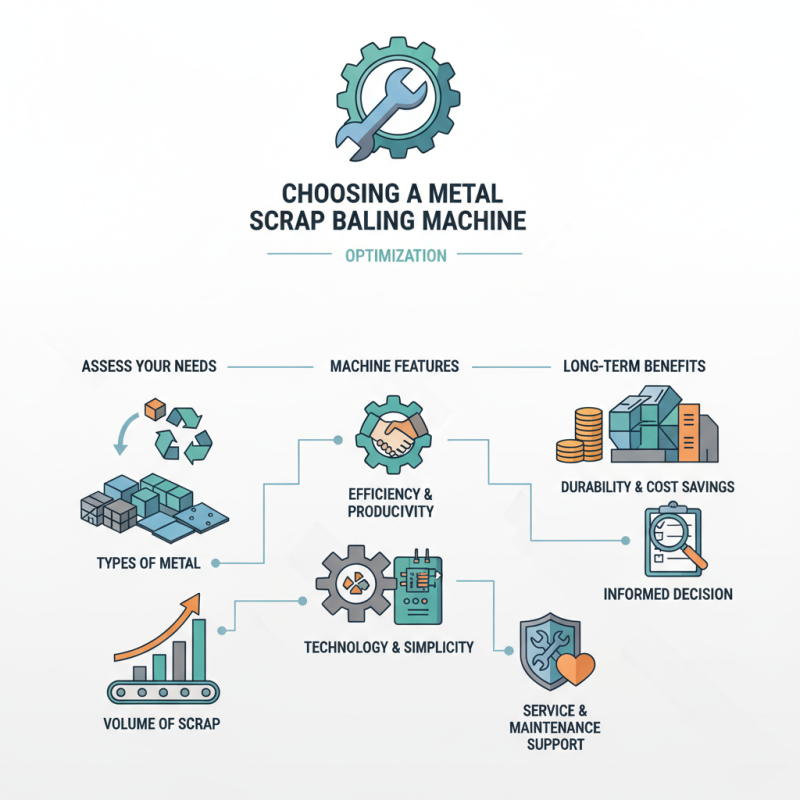
Choosing the right Metal Scrap Baling Machine can be overwhelming. With various models and specifications, it's crucial to assess your specific needs. A reliable machine not only improves efficiency but also can impact your overall operations.
Understanding the features of different baling machines is essential. Consider factors such as the types of metal you will process and the volume of scrap generated. A good machine should enhance productivity while being user-friendly. Some machines may have advanced technology, while others focus on simplicity.
When evaluating options, reflect on the long-term benefits. A durable Metal Scrap Baling Machine may require a higher initial investment but can save costs over time. Be aware of the service support and maintenance requirements as well. Investing time in research will lead to a more informed decision.
Understanding the Different Types of Metal Scrap Baling Machines
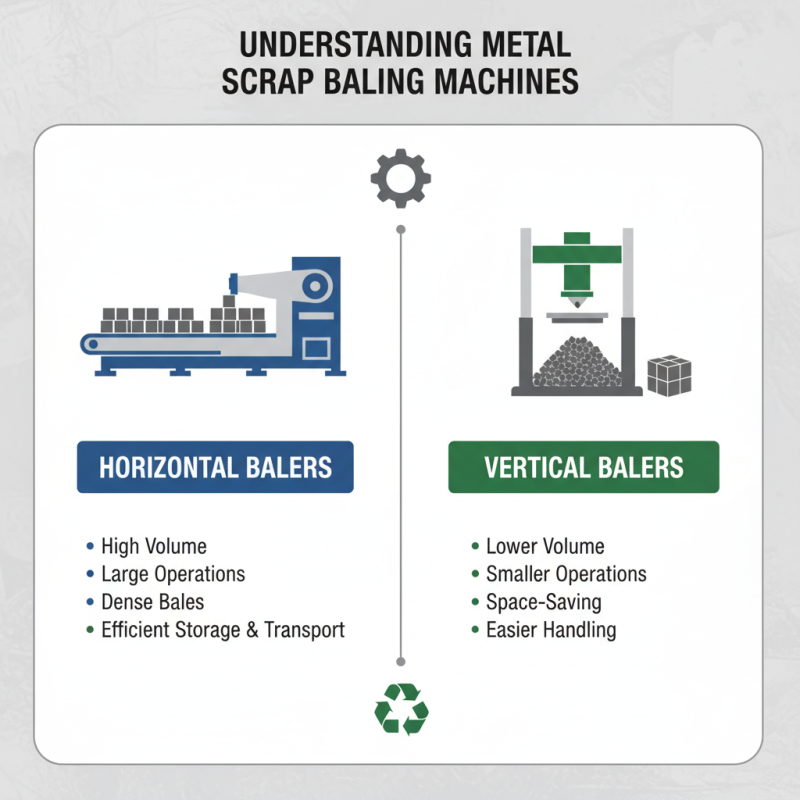
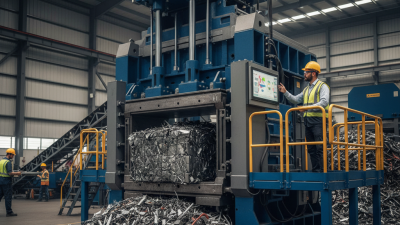
When selecting a metal scrap baling machine, understanding different types is crucial. There are various options tailored for distinct needs. Horizontal balers are ideal for operations with high volume. They compress metal scrap into dense bales, enhancing storage and transportation efficiency. Vertical balers, on the other hand, take up less space and are suitable for smaller operations. They work well for businesses that handle lower volumes of materials.
Tips: Evaluate your available space. A compact machine can maximize your operational area. Consider the power source too; electric balers are quieter and more eco-friendly, while hydraulic options offer robust performance for heavy-duty tasks.
Another consideration is the automation level. Fully automated machines save labor costs. But, they require a larger upfront investment. Semi-automated machines are versatile and cost-effective. They may need more operator involvement, affecting productivity. Assess your team’s skills and maintenance capabilities to find the right match.
It's essential to reflect on your specific needs. Choosing the right baler impacts efficiency. Too often, buyers focus on price and overlook capacity. Balers must meet both current and future demands. Optimizing performance ensures you get the best value for your investment.
Analyzing Your Scrap Metal Processing Needs and Volume
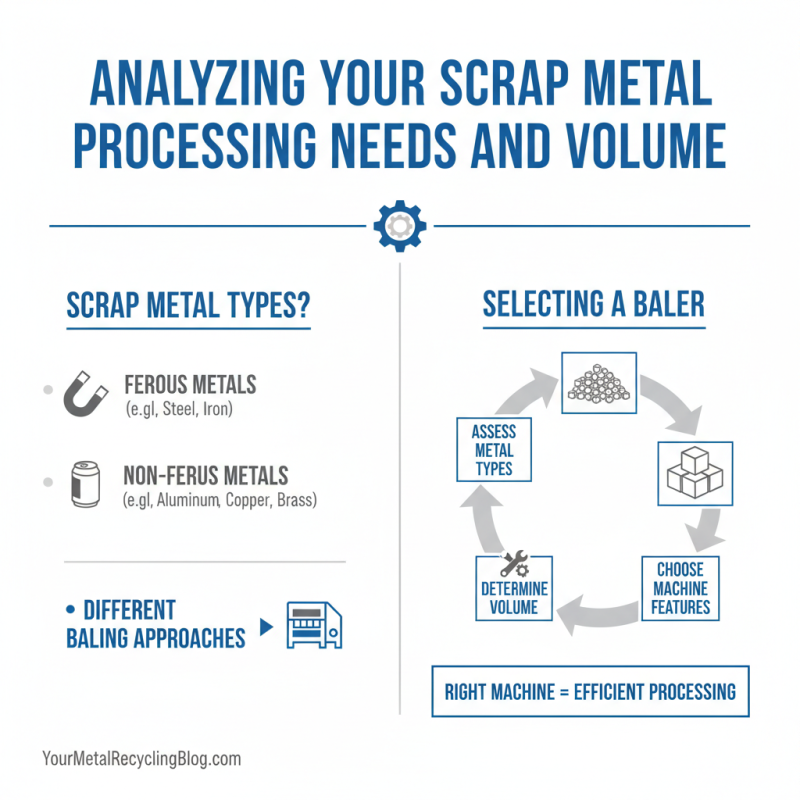
When selecting a metal scrap baling machine, it's essential to analyze your specific processing needs and volume. Start by assessing the types of metals you handle. Are they ferrous or non-ferrous? Each type may require different baling approaches. Understanding the variety of materials can help you choose the right machine features.
Next, consider your processing volume. How much scrap do you generate daily or weekly? A small shop may not need a high-capacity machine. Conversely, larger operations might require heavy-duty models capable of handling significant tonnage. This gap can lead to inefficiency. Balance your needs against daily operations to avoid over-investing in machinery that won’t be used.
Additionally, evaluate the space available in your facility. A compact machine may be ideal if you have limited room. Think about accessibility for maintenance and repairs too. It's easy to overlook these details, but they are crucial for smooth operation. Careful analysis and reflection on your needs will guide you toward the best choice.
Key Features to Consider When Selecting a Baling Machine
When selecting a baling machine for metal scrap, key features are crucial. One important aspect is the machine's capacity. Different machines handle varying quantities of scrap. Assessing your daily output can help you choose the right size. A machine too small may cause bottlenecks. Conversely, an oversized machine might waste energy and resources.
Another feature to consider is the machine's speed and efficiency. Faster machines can increase productivity. However, too much speed can lead to errors or subpar bales. It’s vital to find a balance. Look for models with adjustable settings to suit your needs. Ease of operation also matters; user-friendly controls can reduce training time and operator errors.
Finally, durability is essential. A well-built machine withstands the wear and tear of continuous use. Researching materials and construction can help identify robust options. These machines often come with warranties, adding a layer of reliability. Reflect on your choices; it’s not just about buying, but investing wisely in your operations.
Evaluating the Cost-Effectiveness of Baling Machines
When considering the cost-effectiveness of baling machines, various factors come into play. The
initial investment is just one aspect. Maintenance costs can add up over time. Make sure to factor in repair services
and replacement parts. Regular maintenance can reduce long-term expenses. Look for machines that offer
low operational costs. Efficiency plays a crucial role here.
The machine's throughput directly impacts profitability. A higher output means more materials processed in less time.
Evaluate the specific needs of your business. Different machine sizes cater to varying production levels. Don't overlook
energy consumption either. Machines that consume less power can lead to significant savings.
You may find that paying a bit more upfront for efficiency pays off in the long run.
Reflect on how the machine will fit into your workflow. Will it require extensive worker training? If so, training costs could impact your budget.
Potential downtime during setup and learning can also affect productivity. Understanding these factors is key to making an informed decision.
A machine that seems affordable might not be the best choice if it disrupts your operations.
Assessing Manufacturer Reputation and Customer Support Options
When looking for a metal scrap baling machine, assessing manufacturer reputation is crucial. A reputable manufacturer should have a solid track record in the industry. Look at their history and experience. Trusted brands often have long-term customer relationships, which speaks volumes about their reliability. Reviews from existing users can provide insights into the machine's performance.
Customer support is another essential factor. A manufacturer should offer robust support services. Is help readily available when issues arise? Check if they provide online resources, technical assistance, or on-site maintenance. Quick response times can significantly reduce downtime, which is vital for operational efficiency.
Remember, even reputable manufacturers can have off days. An initial low rating may not capture the bigger picture. Consider reaching out to customers directly. Their experiences can reveal patterns that ratings might miss. A thoughtful evaluation of reputation and support can guide you to the best choice tailored to your needs.
Factors to Consider When Choosing a Metal Scrap Baling Machine