Why Use a Non Ferrous Baler for Metal Recycling?
A Non Ferrous Baler helps recycling operations compress metals such as aluminum, copper, and brass into manageable bundles. In a busy yard, loose cans or sheet offcuts can spread across a sorting area and take up valuable storage space. A properly selected baler can make material easier to stack, handle, and prepare for transport. That can support a more organized workflow. It does not make every operation efficient by itself.
The right machine depends on the material’s form, volume, and condition. Clean aluminum profiles behave differently from mixed metal turnings, and moisture or attached contaminants may affect handling. Operators should check the baler’s capacity, chamber dimensions, safety features, and maintenance needs against their actual feedstock. Small details matter. A bundle that is too large or inconsistent may create problems downstream, even when the press is powerful.
Baling is only one step in responsible metal recycling. Sorting, weighing, and keeping clear records still matter. So does regular inspection: worn hoses, loose guards, or unusual noises deserve attention before they become larger issues. Equipment brochures rarely show the uneven material that arrives after a long shift. Real operating conditions can be messier. A Non Ferrous Baler can improve space use and material handling, but its value depends on sound procedures, trained operators, and realistic expectations. It is worth asking whether the machine fits the workflow—not just whether it can compress metal.
What a Non-Ferrous Baler Is and Which Metals It Handles
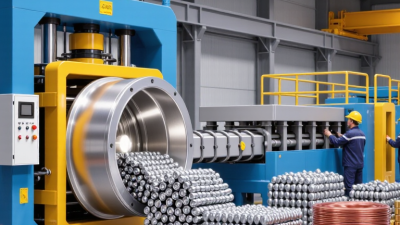
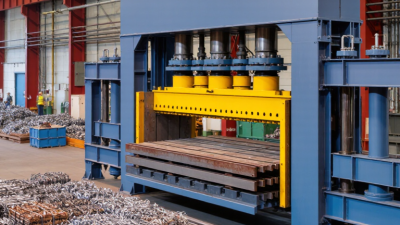
A non-ferrous baler compresses metal scrap without relying on iron-based material. It uses hydraulic pressure to form loose pieces into dense, manageable bales. These bales take less storage space and move more efficiently during recycling operations.
This equipment commonly handles aluminum cans, copper wire, brass fittings, bronze parts, and zinc scrap. Some machines can process thin sheets, extrusions, and punched production offcuts. Aluminum is lightweight and springy, while copper is heavier and more compact. The correct chamber pressure matters. Excessive force can damage equipment or create unstable bales. Stainless steel needs careful identification because it contains iron, despite its corrosion resistance.
In practical recycling work, clean separation usually improves bale quality and resale value. A copper bundle mixed with brass may look acceptable, but its composition can reduce its grade. Some alloys also behave unpredictably during compression. I have found that small samples reveal problems earlier than full loads. Not every material should be baled together.
Tips: Check the material grade before loading. Remove plastic, wood, and loose liquids. Keep aluminum, copper, brass, and zinc in separate containers. Inspect blades, chamber surfaces, and hydraulic lines regularly. Wear eye, hand, and hearing protection. Record bale weight and material type for reliable quality control. A second inspection is rarely wasted.
How Non-Ferrous Metal Baling Works
How Non-Ferrous Metal Baling Works
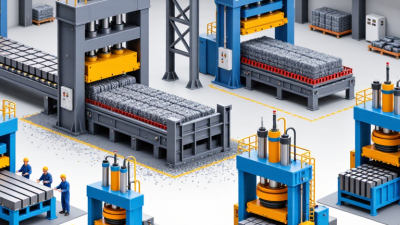
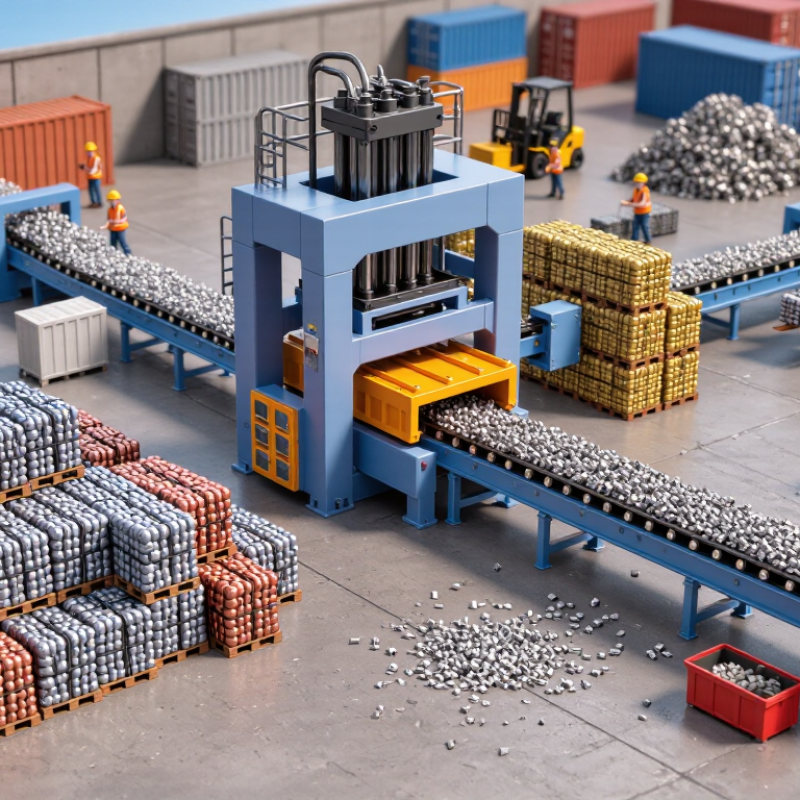
A non-ferrous baling line begins with sorting. Aluminum, copper, and brass are separated because mixed grades can lower a bale’s value. Workers or sorting equipment remove steel, plastic, insulation, and other contaminants. The material is then cut or fed into a chamber. Small details matter. A stray steel piece can complicate downstream processing.
Hydraulic rams compress the prepared scrap into dense blocks. Depending on the material and equipment, operators adjust pressure, cycle time, and bale size. Tied bales are easier to handle, store, and transport than loose pieces. But compression is not a substitute for good sorting. Shiny scrap can still contain coatings or attached parts, and rushed inspection sometimes misses them.
The data helps explain the process’s role in recycling. The International Aluminium Institute reports that recycled aluminum uses about 5% of the energy required for primary production, a reduction of roughly 95%. The International Copper Association reports that recycling copper can use up to 85% less energy than producing it from ore. These figures describe metal recycling overall, not baling alone. Baling supports that chain by preparing consistent loads for transport and processing. Real scrapyards are messier than a diagram; operators still need to check each batch.
How Baling Improves Storage, Handling, and Transport
Why Use a Non Ferrous Baler for Metal Recycling?
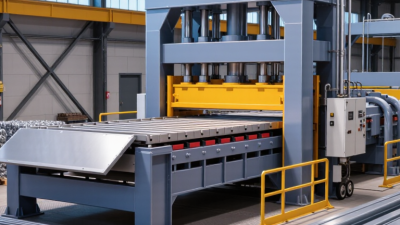
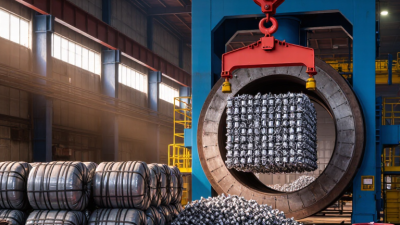
Loose aluminum sheets, copper wire, and brass pieces quickly consume valuable yard space. A non ferrous baler compresses these materials into dense, stackable bales. This change makes storage more orderly and easier to inspect.
In a busy recycling yard, operators can move bales with forklifts instead of handling scattered pieces. Standard bale shapes also reduce shifting during loading. That matters when trucks carry several material grades at once. Clear labels and separated storage still remain essential. Compression cannot correct poor sorting.
Baling can improve transport efficiency by reducing empty spaces between loads. Fewer loose pieces may fall from containers during routine handling. It can also lower repeated labor around loading areas. However, the ideal pressure depends on the metal type, thickness, and moisture level. Over-compression may damage equipment or create unstable bales. The process is not flawless.
Experienced operators usually check wire, tubing, and sheet metal separately. They inspect bale ties, chamber surfaces, and hydraulic settings each shift. A small amount of oil or water can affect handling safety. Bale weight should match the lifting equipment and site procedures. Some yards focus too much on maximum density. That is worth reconsidering. Stable, traceable bales often provide more practical value than the heaviest possible load.
Why Use a Non Ferrous Baler for Metal Recycling? - How Baling Improves Storage, Handling, and Transport
A non-ferrous baler compresses suitable metal scrap into more compact bundles. The exact result depends on the material, its condition, the baler, and operating settings.
| Operational Dimension |
Loose Non-Ferrous Scrap |
Baled Non-Ferrous Scrap |
Practical Benefit |
| Storage space |
Bulky items such as cans, sheet offcuts, and light-gauge scrap can leave unused gaps in storage areas. |
Compression creates denser, more uniform bundles that can be stacked when their shape, stability, and site procedures allow. |
Can improve use of available floor and storage space; actual space savings vary by scrap type and bale dimensions. |
| Material handling |
Irregular pieces may need to be gathered or contained before they can be moved efficiently. |
Consistent bundles can be easier to move with suitable material-handling equipment. |
Can reduce repeated handling and make material movements more organized. Use equipment rated for the bale’s weight. |
| Transport loading |
Loose scrap may be difficult to arrange consistently and can occupy more volume than compacted material. |
More uniform loads can be easier to arrange and secure in a vehicle, subject to safe loading practices. |
May improve volume utilization. The vehicle’s legal payload limit still applies, and denser loads do not increase allowable payload. |
| Inventory and sorting |
Mixed or loosely stored material can be harder to keep separated and identify at a glance. |
Separately baled material can be labeled and stored by material grade or source. |
Supports organized stock management when segregation and labeling are maintained. |
| Work-area organization |
Loose scrap can spread across collection areas if bins and housekeeping routines are inadequate. |
Prepared bales can be placed in designated storage areas. |
Can help maintain a tidier work area, alongside suitable bins, housekeeping, and safe storage practices. |
| Illustrative volume comparison |
At an assumed loose bulk density of 250 kg/m³, 1,000 kg occupies about 4.0 m³. |
At an assumed baled bulk density of 750 kg/m³, the same 1,000 kg occupies about 1.3 m³. |
In this example, the occupied volume is about two-thirds lower. These assumed densities are for illustration only; actual results vary substantially. |
| Material and safety considerations |
Scrap may include sharp edges, contaminants, or items unsuitable for compression. |
Only materials suitable for the baler should be processed, following the machine instructions and site safety procedures. |
Inspect and sort incoming scrap, and use appropriate guarding, training, and personal protective equipment. |
How Compacted Scrap Supports Recycling Efficiency
Why Use a Non-Ferrous Baler for Metal Recycling?
A non-ferrous baler compresses aluminum, copper, brass, and similar scrap into stable bundles. These compact shapes use less storage space and make handling more predictable. Full bins can become difficult to move safely. Baled material supports cleaner loading, better sorting, and fewer loose pieces around the work area. It can also reduce transport volume, although results depend on material type and moisture.
In daily recycling operations, consistent bale size improves weighing and inventory control. Operators can inspect each bundle before storage, removing insulation, plastic, or unwanted metal. This practical step protects material quality and reduces sorting problems later. A baler is not a magic solution. Poorly prepared scrap may jam the chamber or produce weak bundles. Regular checks of pressure, straps, and moving parts are essential. I have found that rushing the feed process creates more rework than it saves.
Tips: Keep different alloys separated whenever possible. Remove sealed containers and non-metal debris before baling. Do not overload the chamber. Record bale weights and inspect bundles for loose edges. Train operators on the equipment manual and site safety procedures. Small mistakes matter. Review the process after each shift, especially when bale density changes. Sometimes, a slower cycle produces safer and more valuable output.
Key Factors in Choosing and Operating a Non-Ferrous Baler
Why Use a Non Ferrous Baler for Metal Recycling?
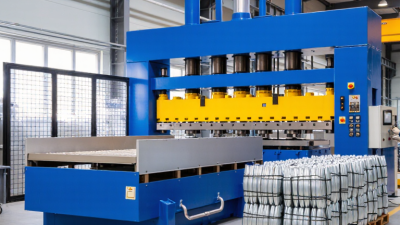
A non-ferrous baler helps recyclers compact aluminum, copper, brass, and other valuable metals into dense, manageable bundles. Choosing one requires more than checking pressure ratings. Material thickness, alloy mix, moisture, and daily volume all affect performance. In a busy yard, a machine rated for high output may still struggle with irregular feedstock. That gap becomes costly. Operators should inspect chamber size, bale density controls, discharge design, and cleaning access. Hydraulic protection also matters because loose metal can shift suddenly during compression. Request documented test results and service guidance from qualified technicians. Real operating conditions matter more than showroom claims.
Tips: Weigh typical loads for one week before selecting capacity. Separate thin aluminum from heavier copper pieces when possible. Keep hands away from the chamber. Use lockout procedures during maintenance. Inspect hoses, shear points, and tying systems each shift. Train operators to recognize unusual vibration, heat, or oil leakage. Record bale weights and cycle times. If ties snap often, reduce the load or adjust density. Small habits prevent downtime.
A reliable setup also depends on correct installation. The floor should be level, and electrical or hydraulic connections must match technical requirements. Leave enough space for safe loading and service work. Do not chase maximum density blindly. Excessive pressure may deform valuable material and increase component wear. Trial bales can reveal feeding problems before full production begins. Experienced operators often discover that a slightly slower cycle produces cleaner, stronger bundles. That is easy to overlook. Review performance regularly, because feedstock changes with each delivery.