Top 10 Non Ferrous Balers for Global Buyers in 2026?
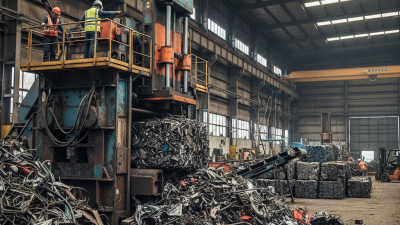
In the rapidly evolving recycling sector, understanding the best Non Ferrous Balers is critical for global buyers. These machines play a significant role in processing recyclable non-ferrous materials like aluminum and copper. According to a recent report by Smith & Associates, the Non Ferrous Baler market is projected to grow by 7% annually through 2026. This growth underlines the increasing demand for effective recycling solutions.
Expert in the field, Dr. Emily Chen, emphasizes, "Investing in advanced Non Ferrous Balers is essential for optimizing recycling operations." With current innovations, these balers enhance efficiency and reduce costs. However, buyers must carefully evaluate their options to avoid suboptimal investments. Reliable data and thorough market analysis are key to making informed decisions.
Many companies overlook essential features when selecting Non Ferrous Balers. It's not just about price; operational efficiency, durability, and maintenance costs matter significantly. As the industry grows, staying informed about the latest technologies and trends is crucial for success. Global buyers face challenges, but thorough research can lead to effective solutions.
Overview of Non-Ferrous Balers and Their Importance in Recycling
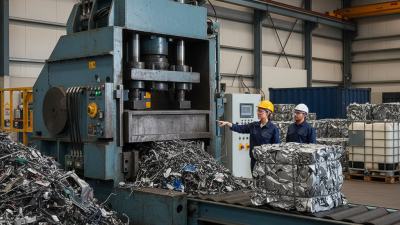
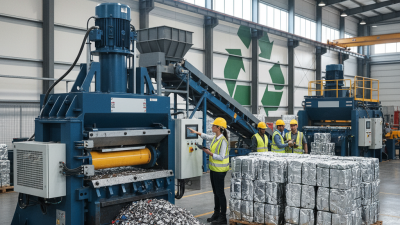
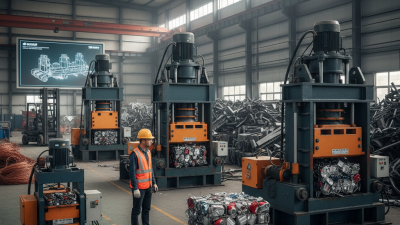
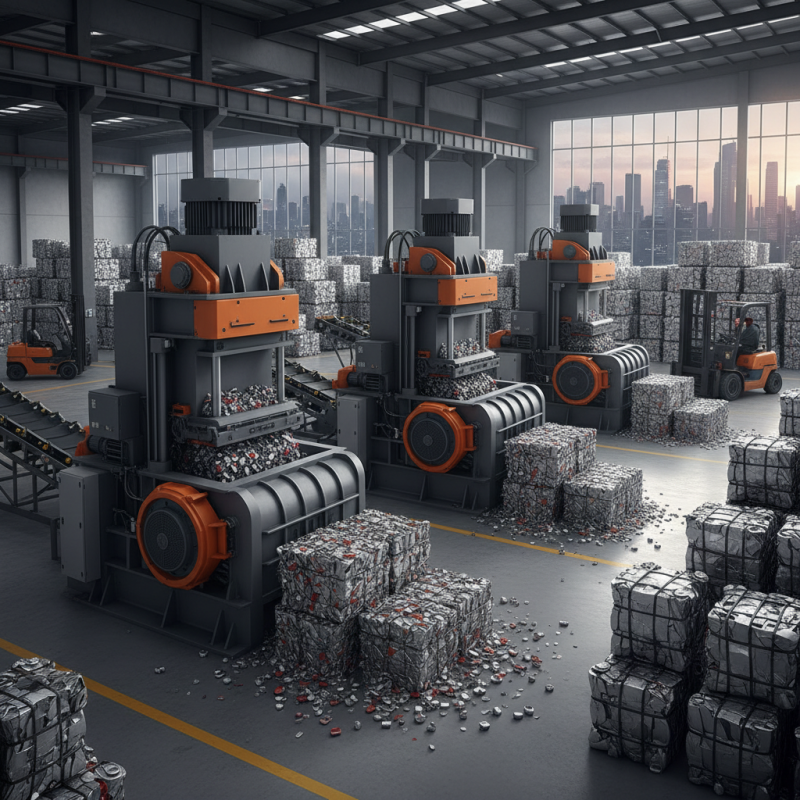
Non-ferrous balers play a crucial role in the recycling industry. They are designed to compress materials such as aluminum, copper, and plastics. By efficiently compacting these materials, balers enhance the recycling process and reduce transport costs. This efficiency is vital for maximizing resource recovery in a world increasingly focused on sustainability.
Many businesses still overlook the importance of non-ferrous balers. Some may invest in machinery but neglect proper maintenance. This can hinder their overall performance and lifespan. Regular checks and adjustments are essential for maintaining optimal operation. Additionally, organizations must train their staff adequately. A well-informed team can ensure efficient handling and processing of materials.
The versatility of balers is another asset. They can be adjusted for different materials and outputs. However, this flexibility can lead to confusion without proper guidelines. Potential buyers should carefully consider their needs and capabilities. Investing in the right equipment is crucial, yet it requires thoughtful planning and awareness of industry trends. Understanding the importance of non-ferrous balers will drive better decisions for recycling operations.
Key Features to Consider When Choosing Non-Ferrous Balers
When selecting non-ferrous balers, there are essential features to consider. Capacity plays a critical role. The volume of materials processed must align with operational needs. According to industry reports, balers with capacities of 30 tons per hour are becoming standard. They ensure efficiency for large-scale operations.
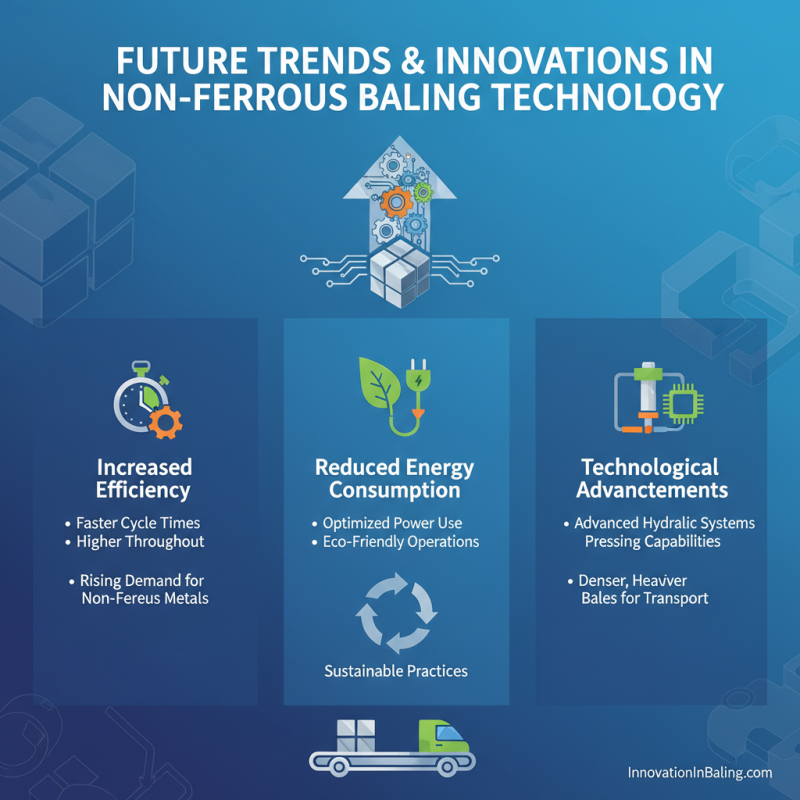
Efficiency in energy consumption is another key factor. Choosing a baler that minimizes power usage can lead to significant cost savings. Reports indicate that modern balers use up to 50% less energy compared to older models. This reduction is often due to advanced hydraulic systems and automated features.
Tips: Always evaluate the maintenance requirements of balers. Regular maintenance can enhance longevity. Additionally, consider the availability of spare parts to reduce downtime. Look for balers that have user-friendly controls, which make operation simpler and safer.
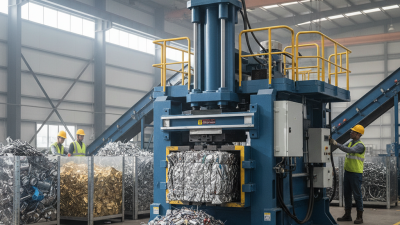
Durability should not be overlooked. Materials used in baler construction affect lifespan and performance. Some balers use reinforced steel, which can withstand rigorous use. In contrast, others may face issues with wear and tear. This offers a space for reflection on choice effectiveness. Evaluate long-term investments rather than immediate cost savings for better outcomes.
Top 10 Non-Ferrous Balers on the Market for Global Buyers in 2026
The market for non-ferrous balers continues to grow. In 2026, buyers will have multiple options to choose from. These machines are essential for processing non-ferrous materials like aluminum, copper, and plastics. Efficient balers enhance recycling and reduce waste.
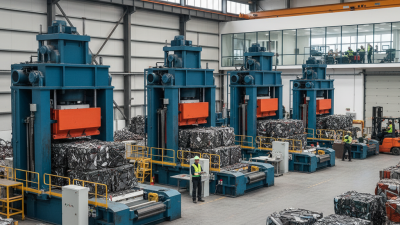
When selecting a baler, buyers should consider size and capacity. Some machines are compact, ideal for small operations. Others are larger, suited for industrial facilities. These factors impact efficiency and throughput. Additionally, energy consumption plays a critical role. Buyers need machines that balance power and sustainability.
Another key aspect is user-friendly design. Operators should feel comfortable using the machines. Clear controls and safety features help prevent accidents. Maintenance also matters. Regular upkeep ensures the balers function properly over time. While many options exist, not all meet durability expectations. Buyers must research and evaluate these factors carefully.
Top 10 Non Ferrous Balers for Global Buyers in 2026
| Model |
Type |
Capacity (tons/hour) |
Power (kW) |
Price Range (USD) |
Warranty (Years) |
| Model A |
Automatic |
15 |
75 |
$40,000 - $50,000 |
2 |
| Model B |
Semi-Automatic |
10 |
55 |
$30,000 - $40,000 |
1 |
| Model C |
Manual |
8 |
40 |
$20,000 - $30,000 |
1 |
| Model D |
Automatic |
20 |
90 |
$45,000 - $60,000 |
3 |
| Model E |
Semi-Automatic |
12 |
65 |
$35,000 - $45,000 |
2 |
| Model F |
Manual |
6 |
30 |
$15,000 - $25,000 |
1 |
| Model G |
Automatic |
18 |
80 |
$50,000 - $70,000 |
3 |
| Model H |
Semi-Automatic |
14 |
70 |
$40,000 - $55,000 |
2 |
| Model I |
Manual |
5 |
25 |
$10,000 - $20,000 |
1 |
| Model J |
Automatic |
22 |
100 |
$55,000 - $75,000 |
3 |
Comparative Analysis of Performance and Efficiency in Leading Balers
When exploring non-ferrous balers for 2026, performance and efficiency take the spotlight. Factors such as bale density, processing speed, and energy consumption significantly influence operational output. Some balers excel in creating denser bales, which maximizes storage potential. Others shine in speed, allowing for rapid processing of materials. Efficiency metrics can be complex, often requiring in-depth assessments to gauge true performance across various settings.
Comparative analysis reveals a diverse range of technologies. Automation features may streamline operations but can also introduce points of failure if not properly managed. Balers with advanced monitoring systems provide vital real-time data. However, reliance on technology necessitates regular maintenance and upgrades to ensure reliability. Assessing the balance between automation and manual control is essential, as it can impact efficiency in different environments.
It's crucial to consider environmental aspects as well. Some balers consume significantly more energy than others, affecting overall operating costs. Buyers must weigh the initial investment against the long-term energy savings. In balancing these factors, potential pitfalls emerge. A baler that excels in one area may compromise in another. Continuous reflection on performance metrics will be vital for making informed decisions in the industry.