China Best Non Ferrous Baler Solutions for Efficient Metal Recycling?
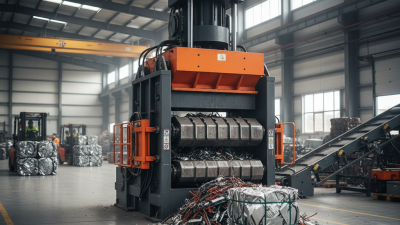
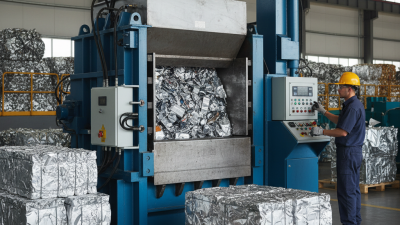
In the rapidly evolving landscape of metal recycling, the role of Non Ferrous Balers is crucial. These machines help streamline the process, ensuring efficiency and maximizing recovery rates. According to a recent industry report by the Recycling Industry Association, non-ferrous metals account for nearly 25% of total recycling volumes, highlighting their significance.
Expert in the field, Dr. Alice Chen, states, "Effective baling systems are key to successful non-ferrous metal recycling." This sentiment underscores the importance of advanced baler technology. Non Ferrous Balers not only reduce waste but also improve the economics of recycling operations.
However, challenges remain. Many facilities still utilize outdated baling equipment. This can lead to inefficiencies and increased operational costs. As the industry pushes for sustainability, investing in modern Non Ferrous Balers becomes not just a choice, but a necessity. The path to more efficient recycling lies in embracing these innovations.
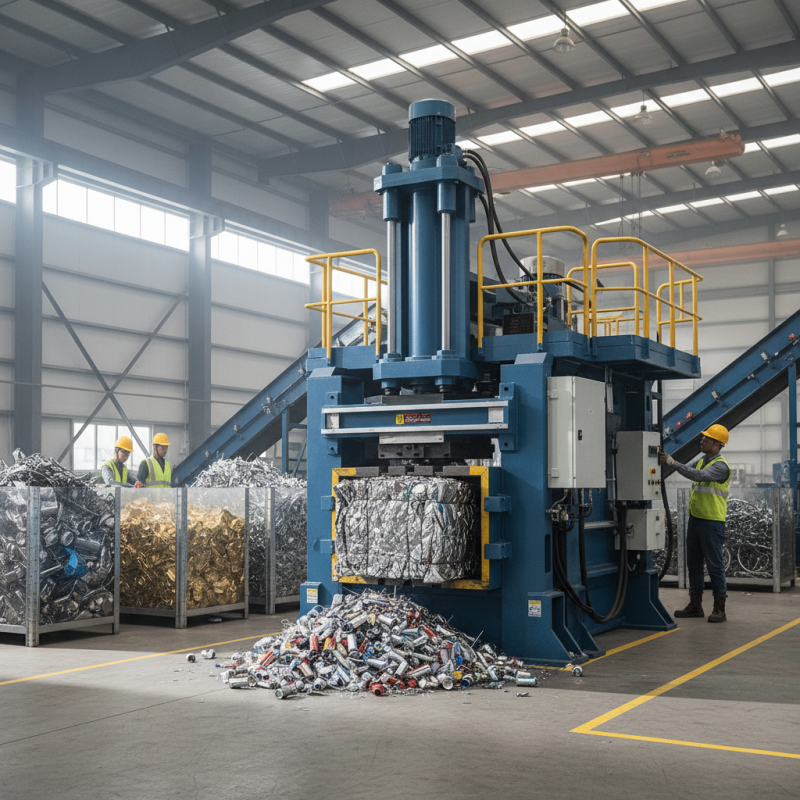
China's Growing Role in Non-Ferrous Metal Recycling Industry
China is increasingly becoming a leader in the non-ferrous metal recycling industry. According to recent industry reports, the country represents over 40% of the global recycled metal market. This growth stems from enhanced efficiency in recycling processes and a strong domestic demand for non-ferrous metals. Cities across China are adopting advanced technologies in recycling methods. This shift is not just about meeting local needs but also about reducing environmental impact.
In 2022, China recycled approximately 20 million tons of non-ferrous metals. Aluminum and copper recycling accounted for a significant share of this figure. Despite this progress, challenges remain. The recycling rate for certain metals is still lower than expected. For instance, the recycling rate for lead stands at just 50%. Improving this area will require further investment in better sorting technologies.
Professional studies indicate that adopting innovative baler solutions can enhance metal recovery rates. These solutions improve efficiency and contribute to a more sustainable recycling system. However, the recycling industry must address issues such as quality control and market variability. Stakeholders need to evaluate their practices to ensure long-term viability.
China Best Non Ferrous Baler Solutions for Efficient Metal Recycling
| Category |
Baler Type |
Processing Capacity (tons/hour) |
Power Consumption (kW) |
Dimensions (LxWxH, m) |
Weight (kg) |
| Aluminum |
Vertical Baler |
3 |
25 |
1.5 x 1.2 x 2.2 |
1200 |
| Copper |
Horizontal Baler |
5 |
35 |
2.0 x 1.5 x 2.5 |
1500 |
| Zinc |
Auto-Feed Baler |
4 |
30 |
1.8 x 1.4 x 2.4 |
1300 |
| Lead |
Double Ram Baler |
6 |
40 |
2.2 x 1.6 x 2.8 |
1800 |
Key Innovations in Non-Ferrous Baler Technology for Efficiency
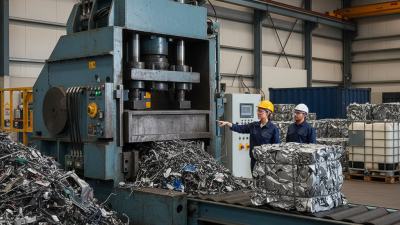
In recent years, non-ferrous baler technology has seen significant advancements. These innovations focus on maximizing efficiency in metal recycling processes. New baler designs improve compaction rates, which enhances the overall throughput of materials. Improved hydraulic systems allow for faster operation, reducing downtime and increasing productivity.
Moreover, user-friendly interfaces are now common in modern balers. Operators can quickly adjust settings to match specific materials. This adaptability is essential for recycling varied non-ferrous metals, like aluminum and copper. Enhanced automation features also reduce the need for manual intervention, which can lead to safety concerns.
However, challenges persist in this evolving field. Some operators still face difficulties with maintenance and repair. Regular upkeep is crucial for optimal performance. Inconsistent material flow can also impact efficiency. A balance between technology and human oversight is vital. Recognizing these issues allows for continuous improvement in non-ferrous baler solutions.
Key Innovations in Non-Ferrous Baler Technology for Efficiency
Comparison of Baler Types for Non-Ferrous Metals in China
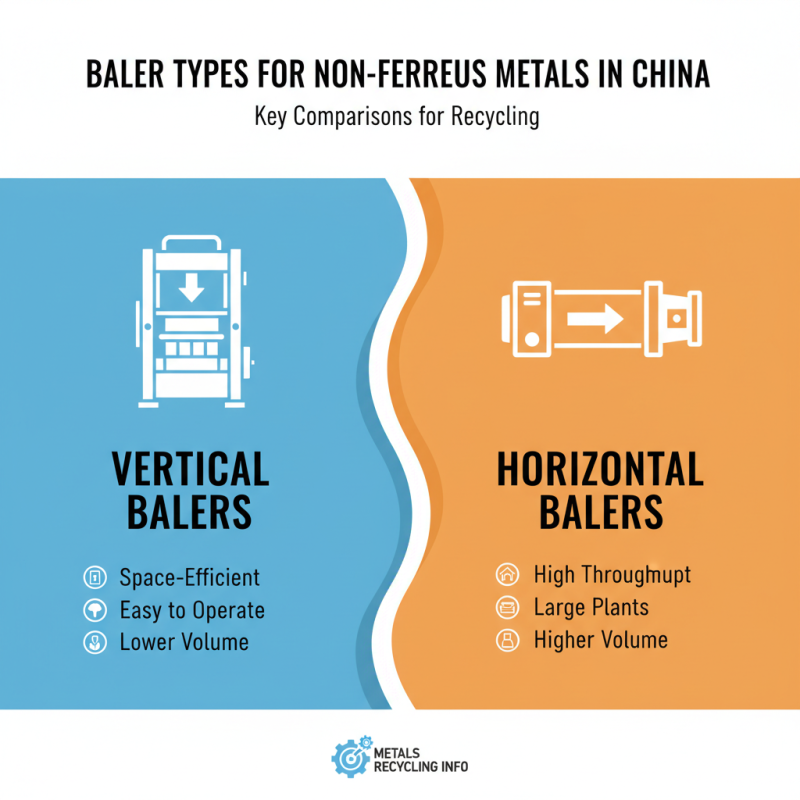
When evaluating baler types for non-ferrous metals, several factors come into play. One crucial aspect is the baler's design. Vertical and horizontal balers serve different purposes in recycling operations. Vertical balers are space-efficient and easy to operate. However, they may not handle larger volumes effectively. In contrast, horizontal balers accommodate high throughput, making them suitable for larger recycling plants.
Additionally, efficiency is paramount in metal recycling. The speed and compression force of a baler determine how quickly metals can be processed. Balers that offer adjustable compression settings tend to have an edge. This flexibility allows operators to optimize the baling process based on the type of non-ferrous metal being recycled. The effectiveness of these machines directly affects the profitability of recycling operations.
Moreover, maintenance and reliability should not be overlooked. A baler that frequently breaks down can disrupt operations and lead to increased costs. Regular maintenance schedules can mitigate this issue. However, finding experts for specific baler types can be challenging, and not all service providers have the same level of expertise. Therefore, it’s essential to weigh both performance and longevity when selecting baler solutions.
Impact of Non-Ferrous Recycling on Global Metal Demand Dynamics
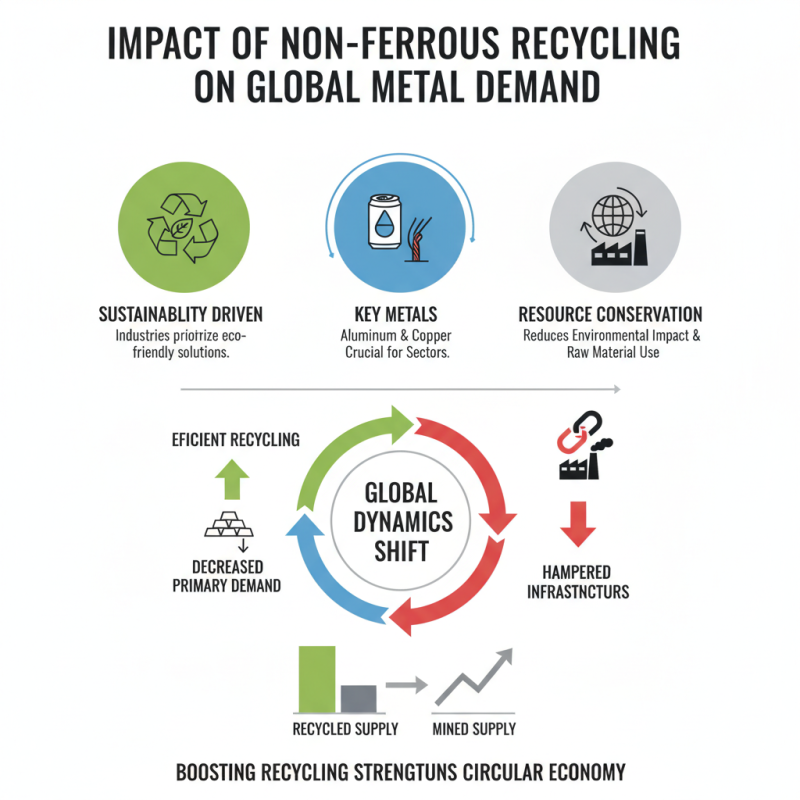
The dynamic landscape of global metal demand is significantly influenced by non-ferrous recycling. As industries strive for sustainability, the need for efficient recycling solutions becomes critical. Non-ferrous metals, such as aluminum and copper, are vital to various sectors. Their recycling reduces environmental impact and conserves natural resources. However, the effectiveness of recycling is often hampered by inadequate infrastructure.
Many regions still lack advanced baler solutions essential for processing these materials. This inefficiency not only increases costs but also impacts the supply chain. For example, disorganized processing leads to contaminants in the metal stream, affecting the quality of recycled products. Many facilities face challenges in optimizing their operations, which slows down overall recycling efforts.
Market fluctuations add another layer of complexity. As demand for recycled metals rises, the supply chain may struggle to keep pace. This imbalance can lead to increased prices and reliance on virgin materials. The focus should shift toward innovative recycling techniques and better logistics. Reinforcing these aspects will strengthen the recycling industry and address global metal demand effectively.
Regulatory Framework and Standards for Metal Recycling in China
China has established a comprehensive regulatory framework for metal recycling. This framework aims to standardize practices and ensure sustainability in the industry. Regulations cover aspects such as environmental protection, waste management, and safety measures. Compliance is crucial for all recycling businesses operating in China.
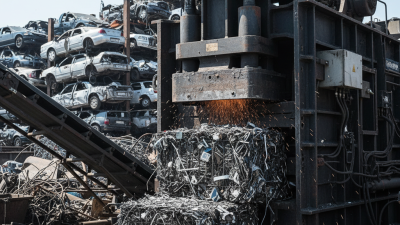
The standards also emphasize the importance of material recovery. Efficient processing technologies are necessary to meet these requirements. Many facilities are investing in advanced baler solutions. These machines compress metals tightly, facilitating easier transport and minimizing waste. However, not all companies adopt the latest technologies, potentially impacting their efficiency.
Tips: Regularly review compliance with local regulations. Stay updated on changes in legal requirements. Training staff on safety measures is vital. Keeping a close eye on advancements in recycling technologies can improve operational efficiency. Investing in quality equipment may yield long-term benefits.