How to Choose the Best Non Ferrous Baler for Your Recycling Needs?
Choosing the right Non Ferrous Baler is crucial for efficient recycling operations. With a growing emphasis on sustainability, businesses must adapt. According to the International Institute of Sustainability, proper baling can increase recycling efficiency by up to 30%.
Industry expert Dr. Lisa Brenner emphasizes, "A well-chosen Non Ferrous Baler can transform your waste stream into profit." This highlights the importance of selecting the appropriate machine to meet specific recycling needs. Various models exist, each tailored to handle different materials, from aluminum to copper.
However, the selection process can be complex. Many factors, including capacity, durability, and energy consumption, come into play. A misstep may lead to inefficiencies and increased costs. It's vital to weigh options carefully and consider real-world application scenarios. Balers are significant investments, and informed choices lead to successful recycling outcomes.
Understanding Non-Ferrous Balers and Their Purpose in Recycling
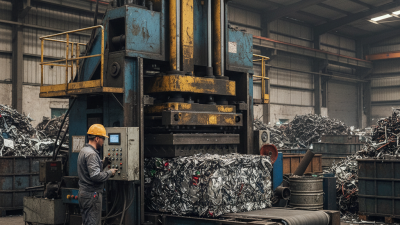
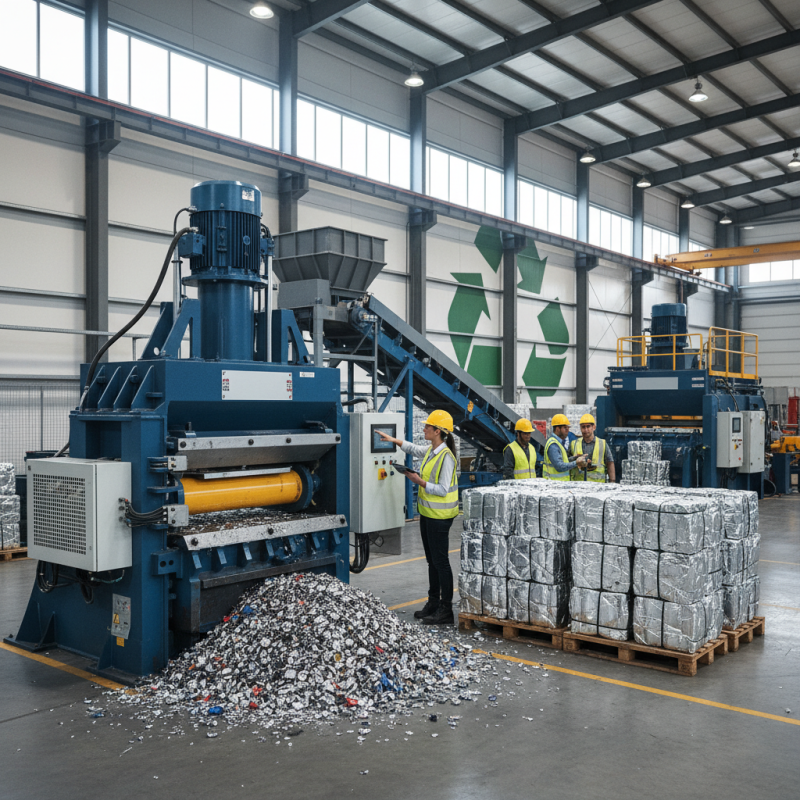
Non-ferrous balers play a crucial role in modern recycling. Unlike their ferrous counterparts, they specifically handle materials like aluminum, copper, and plastics. These non-ferrous materials are vital in various industries. Recycling them conserves natural resources and reduces waste. The effectiveness of a baler is essential in achieving these benefits.
Understanding the workings of non-ferrous balers can enhance your recycling efforts. They compress materials into dense bales, making transportation and storage easier. However, choosing the right model can be challenging. Factors like capacity, speed, and energy efficiency must be considered. An inadequate baler can lead to higher costs and lower productivity. Each operation has unique needs, and finding the perfect fit requires careful thought.
Sometimes, operators overlook maintenance. A poorly maintained baler can hamper performance. Regular checks and timely repairs are crucial. This aspect often gets pushed aside, leading to inefficiencies. Additionally, it's important to assess material types and their processing requirements. Misalignment in expectations can hinder overall recycling goals. Balers must adapt to evolving needs in the recycling landscape.
Key Features to Consider When Selecting a Non-Ferrous Baler
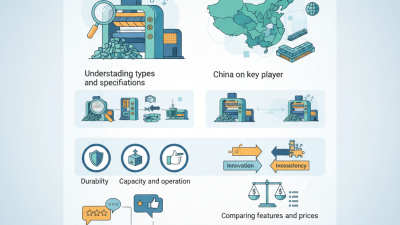
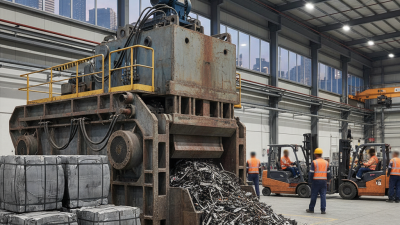
Choosing a non-ferrous baler requires careful consideration of several key features. First, assess the baler's capacity and size. The right baler should match your recycling volume. A smaller plant might not need a large baler. However, high-volume facilities benefit significantly from larger equipment.
Next, evaluate the bale size and weight. The ideal baler compresses materials to maximize efficiency. Different materials require specific bale sizes. Ensure the baler can produce bales that meet shipping or processing requirements.
Consider the baler's energy efficiency. Eco-friendly options can reduce operating costs. Look for features such as automatic shut-off and low power consumption. These elements not only save energy but also contribute to an eco-conscious operation.
Tips: Always check maintenance requirements. Regular upkeep is crucial for optimal performance. Neglecting maintenance can lead to unforeseen breakdowns.
Additionally, review user feedback for insights. Real-world experiences provide valuable context that specifications often miss. Reflect on your unique needs and seek expert advice when necessary. This helps in making an informed decision.
Non-Ferrous Balers Comparison by Key Features
Evaluating the Capacity and Size Requirements for Your Recycling Needs
When selecting a non-ferrous baler, understanding the capacity and size requirements is crucial. Your recycling needs will vary based on the volume of materials processed. Choosing a baler that suits your operational scale is essential. A baler that is too small may lead to inefficiencies. Conversely, a machine that is too large can result in unnecessary costs.
Before making a decision, evaluate your recycling volume. A small operation might not require a high-capacity machine. However, larger facilities need a baler capable of handling significant material loads. Measure your space as well. Ensure there is room not just for the baler but also for loading and maintenance. This can prevent future bottlenecks.
Tips: Look for machines with adjustable capacity. This feature can help accommodate fluctuating volumes. Consider energy efficiency, too. A baler that consumes less power can lower operational costs. Regular maintenance checks are vital for optimal performance. Neglecting upkeep can lead to unexpected downtime, impacting productivity.
How to Choose the Best Non Ferrous Baler for Your Recycling Needs?
| Baler Type |
Capacity (Tons/Hour) |
Max Bale Size (inches) |
Preferred Material |
Operational Power (kW) |
| Vertical Baler |
1-2 |
30 x 24 |
Aluminum, Copper |
5-10 |
| Horizontal Baler |
2-5 |
48 x 36 |
Brass, Aluminum |
15-30 |
| Auto-Tie Baler |
5-10 |
60 x 48 |
Aluminum, Mixed Metals |
20-40 |
| Heavy-Duty Baler |
10-20 |
72 x 48 |
Copper, Aluminum |
30-50 |
Assessing the Types of Materials Processed by Non-Ferrous Balers
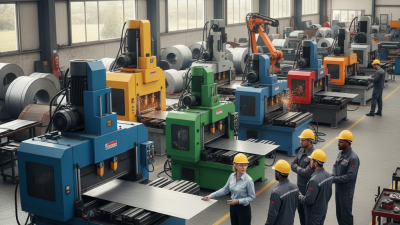
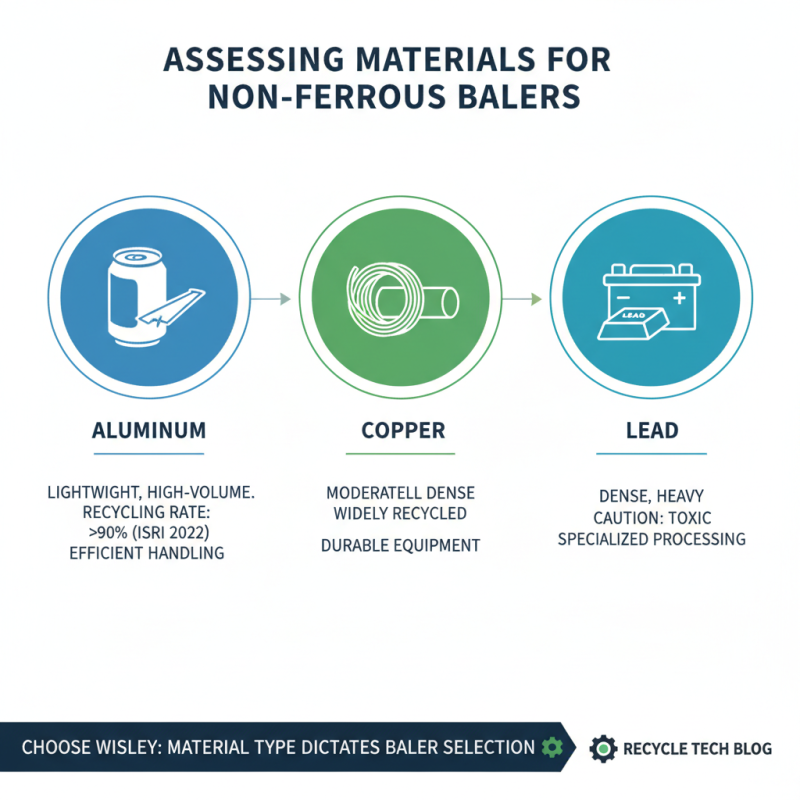
When selecting a non-ferrous baler, understanding the materials you will process is crucial. Non-ferrous metals include aluminum, copper, and lead, each with unique characteristics. According to a 2022 report by the Institute of Scrap Recycling Industries (ISRI), aluminum recycling remains highly efficient, with a recycling rate exceeding 90%. This implies that equipment must handle lightweight yet high-volume materials efficiently.
Copper, on the other hand, requires balers that can manage higher weights. Data shows that copper's recycling yield can reach over 85%, underscoring the need for robust technology to ensure quality. Balers capable of handling mixed loads often face challenges, such as increased maintenance and operational downtime. These factors highlight the importance of choosing equipment suited to specific material requirements.
While many balers are versatile, reflecting on their performance can guide better purchasing decisions. It's essential to consider the types of non-ferrous materials your facility will process most frequently. This decision directly impacts efficiency and profitability. Regularly analyzing the performance of your baler can reveal areas for improvement, contributing to a more streamlined recycling operation.
Budgeting and Cost Considerations for Purchasing a Non-Ferrous Baler
When considering the purchase of a non-ferrous baler, budgeting plays a crucial role. Start by assessing your specific recycling needs. Determine the types and quantities of materials you process regularly. This evaluation helps you understand the capacity and features necessary for your baler. Prices can vary widely based on these factors. Understanding your operational requirements ensures you don’t overspend on unnecessary features.
Next, analyze the total cost of ownership. Beyond the initial purchase price, consider maintenance, energy consumption, and warranty options. Maintenance can affect long-term costs significantly. Plan for routine servicing and potential repairs. High-quality machines may have a higher upfront cost, but they often lead to lower maintenance bills. Evaluate financing options if upfront budget constraints exist. Leasing could provide flexibility without draining your resources immediately.
Reflecting on these budgetary considerations can lead to more informed decisions. Ask yourself if the chosen baler meets your operational efficiency goals. Investing time in research now can save costs later. Balers are not a one-size-fits-all solution. They should align with your business strategy and recycling goals. Balancing cost with efficiency often requires careful thought and adjustments along the way.