How to Choose the Right Ferrous Baler for Your Business?
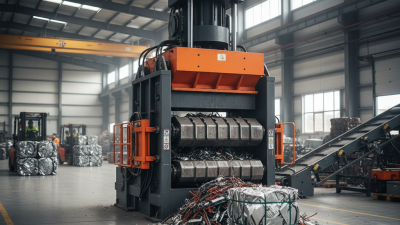
Choosing the right Ferrous Baler for your business can be daunting. With various models and specifications available, it's vital to understand your unique needs. A Ferrous Baler is designed to handle metals like steel and iron, making it essential for recycling operations.
Think about the type and volume of materials you'll process. Does your business deal with large scrap heaps or smaller batches? The size and capacity of the Ferrous Baler must align with your operations. Efficiency and speed are key factors to consider. A well-suited baler can significantly impact productivity.
Moreover, reliability plays a crucial role. You want a baler that withstands the test of time and meets your business standards. Do not overlook maintenance costs and availability of parts as they can influence overall expenditure. A thorough evaluation of your unique operational demands will lead to a more informed decision in selecting the right Ferrous Baler.
Understanding the Importance of Ferrous Balers in Metal Recycling
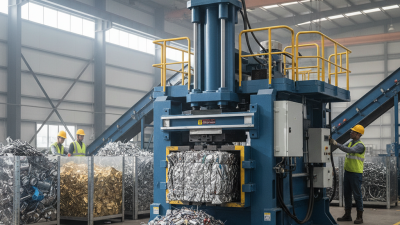
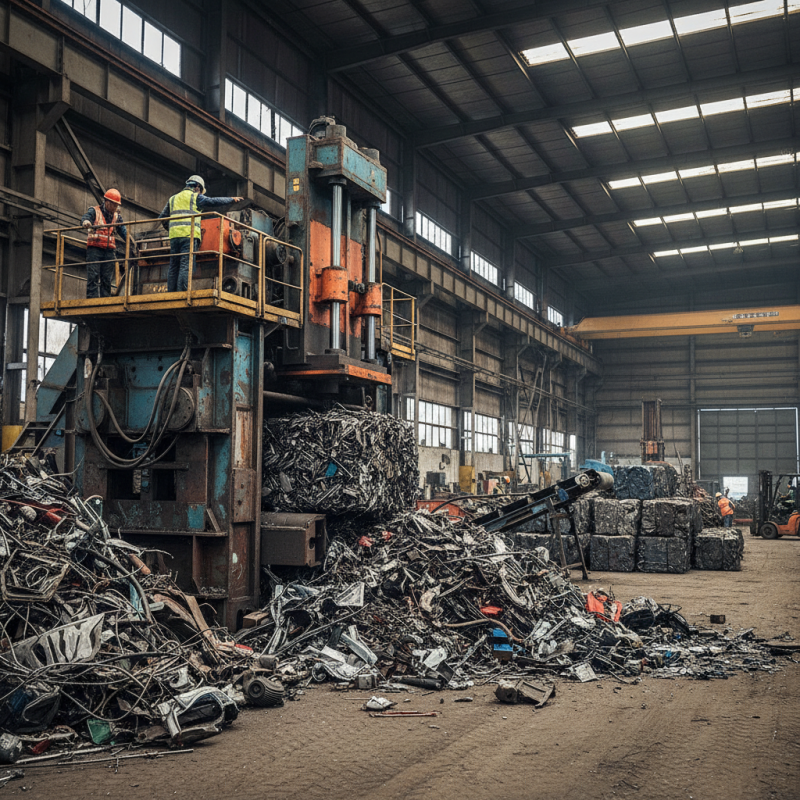
In the realm of metal recycling, ferrous balers play a crucial role. These machines compact scrap metal into bales, making it easier to handle and transport. Properly compressed bales take up less space, which can significantly reduce shipping costs. Understanding the efficiency of ferrous balers can make a notable difference in a recycling operation.
Selecting the right baler involves assessing your specific needs. Consider the volume of materials you process and the types of ferrous metals you handle. A baler with adjustable bale sizes offers flexibility for different recycling tasks. It's also essential to think about the machine's durability and maintenance requirements. Investing in a robust machine may mean lower repair costs in the long run.
Many businesses overlook the energy consumption of ferrous balers. Efficient energy use can lessen the operational costs of your recycling facility. However, not every baler is designed with energy-saving features. Reflecting on the balance between upfront costs and long-term savings can guide better decision-making. Choosing a baler is not just about the initial purchase; it’s about aligning the machine’s efficiency with your sustainability goals.
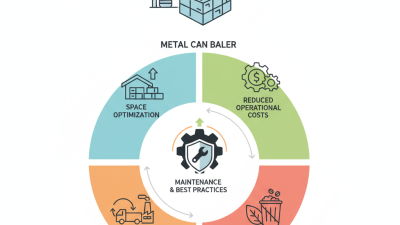
Metal Recycling Efficiency by Ferrous Baler Type
This chart illustrates the processing efficiency of different types of ferrous balers used in metal recycling. Automatic balers demonstrate the highest efficiency, significantly improving the recycling process.
Key Features to Look for in a Ferrous Baler for Your Operations
Choosing the right ferrous baler significantly impacts the efficiency of your operations. Key features are crucial to selecting a model that fits your needs. First, consider the baler’s capacity. How much material will you process daily? A higher capacity baler can save time and labor.
Another essential feature is the baler’s size and footprint. It should fit comfortably in your workspace without overcrowding. Additionally, examine the machine's cycle time. A quicker cycle increases productivity. Remember, not every operation requires the fastest machine. Sometimes, slower options lead to better quality bales.
Look into the baler's automation capabilities. A semi-automatic model might be sufficient for smaller businesses. However, fully automated systems can enhance efficiency in larger operations. Also, think about maintenance requirements. Machines that are hard to service can lead to downtime, costing you money. Your choice should balance features with practical considerations.
Industry Standards and Specifications for Ferrous Balers
When selecting the right ferrous baler for your business, understanding industry standards and specifications is crucial. Ferrous balers must comply with regulations set by organizations such as the Institute of Scrap Recycling Industries (ISRI). These standards ensure safety, efficiency, and consistency. They often dictate dimensions, weight limits, and the types of materials that can be processed.
Different baler specifications cater to various operational needs. For instance, some models are designed for high-volume operations, while others suit smaller, specialized recycling endeavors. It is essential to assess your volume requirements. This decision impacts not only productivity but also energy efficiency. Make sure to weigh the specifications against your specific business goals.
Keep in mind that not all balers maintain the same quality. Some may have hidden inefficiencies, affecting their practical use. Businesses should consider factors like maintenance requirements and available support. This evaluation helps ensure long-term reliability and cost-effectiveness. Reflecting on these aspects can guide better purchasing decisions.
Cost-Benefit Analysis: Investing in the Right Ferrous Baler
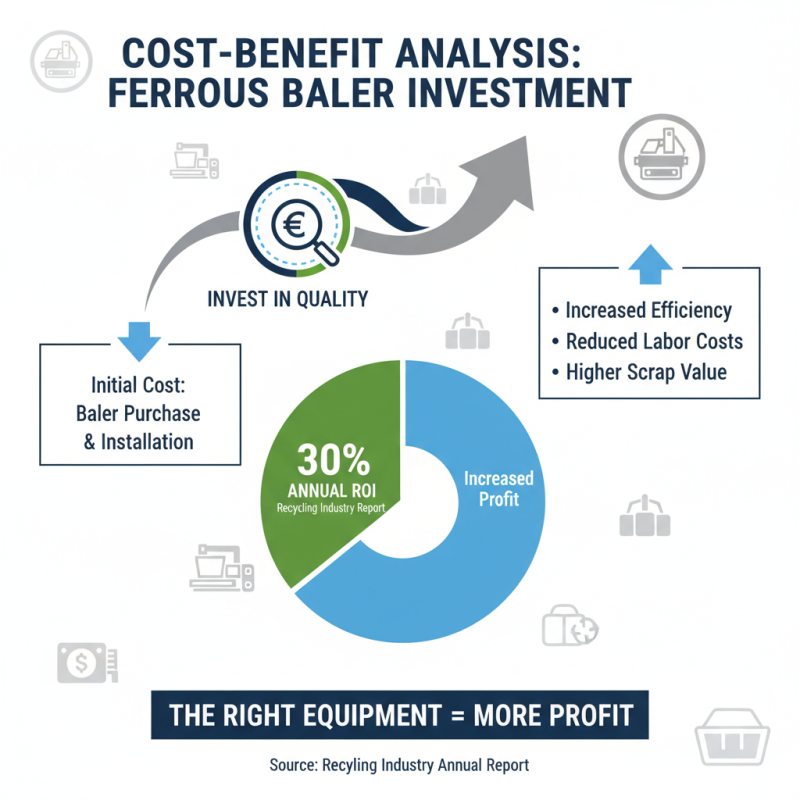
When considering a ferrous baler, a cost-benefit analysis is essential. The investment in the right equipment can significantly affect your bottom line. According to the Recycling Industry’s annual report, businesses that invest in high-quality balers see an average return on investment of 30% per year. This figure highlights the crucial nature of selecting appropriate machinery.
Operational efficiency is another factor to consider. A reliable baler reduces labor costs and increases productivity. The National Recycling Coalition states that businesses can save up to 40% in labor by implementing advanced baler technology. However, selecting a low-cost option may lead to higher maintenance costs and increased downtime. This trade-off requires careful analysis. Do you prioritize upfront savings or long-term gains?
Moreover, the market's fluctuating prices for recycled ferrous materials can impact profitability. Recent trends indicate that more businesses are shifting towards automation in their recycling processes. While these innovations can be expensive initially, they often result in lower overall costs. Understanding your business's unique needs and constraints is essential. Balancing the initial expenditure against potential savings and revenues is a complex task that demands attention.
Maintenance and Support Considerations for Ferrous Balers in Businesses
Selecting the right ferrous baler is crucial for your business. However, maintenance and support play a significant role in ensuring optimal operation. Regular upkeep can prevent costly breakdowns and extend the life of your equipment.
Routine inspections are essential. Check hydraulic systems, baling tension, and electrical components frequently. Look for wear and tear signs. These small checks can save you from major repairs. Ignore them at your own risk.
Tip: Create a maintenance log. It helps track when services were performed. This practice ensures all team members are informed about the equipment’s condition.
Support doesn't stop at maintenance. Establish a good relationship with your service provider. Quick access to replacement parts and knowledgeable support can minimize downtime. Without efficient support, your operations could face significant disruptions.
Tip: Train your team on basic troubleshooting. This knowledge empowers them to handle minor issues promptly. Reflections on equipment usage can lead to better maintenance practices over time.
How to Choose the Right Ferrous Baler for Your Business? - Maintenance and Support Considerations for Ferrous Balers in Businesses
| Feature |
Importance |
Considerations |
Maintenance Frequency |
Support Availability |
| Bale Size |
High |
Must match operational needs |
Every load cycle |
24/7 Support |
| Power Source |
Medium |
Electric vs. hydraulic efficiency |
Quarterly checks |
Technical hotline |
| Safety Features |
High |
Emergency stops, guards |
Annually |
Onsite training |
| User Interface |
Medium |
Ease of use and training requirements |
As needed |
User manuals and support |
| Durability |
High |
Material quality, warranties |
Bi-annually |
Parts replacement assistance |