What is a Shear Cutter Machine and How Does It Work?
The Shear Cutter Machine is a vital tool in various industries, known for its precision and efficiency. Expert John Smith, a leading engineer in manufacturing technology, emphasizes, "A well-designed shear cutter can significantly enhance production quality." This statement highlights the importance of understanding how these machines operate.
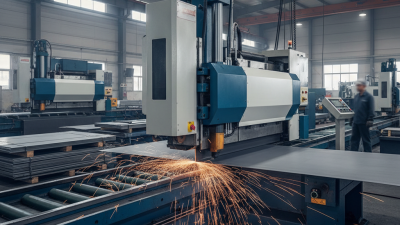
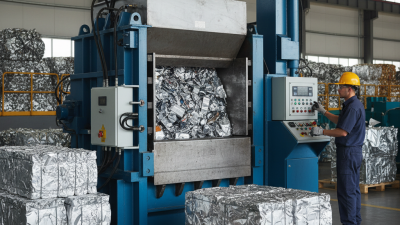
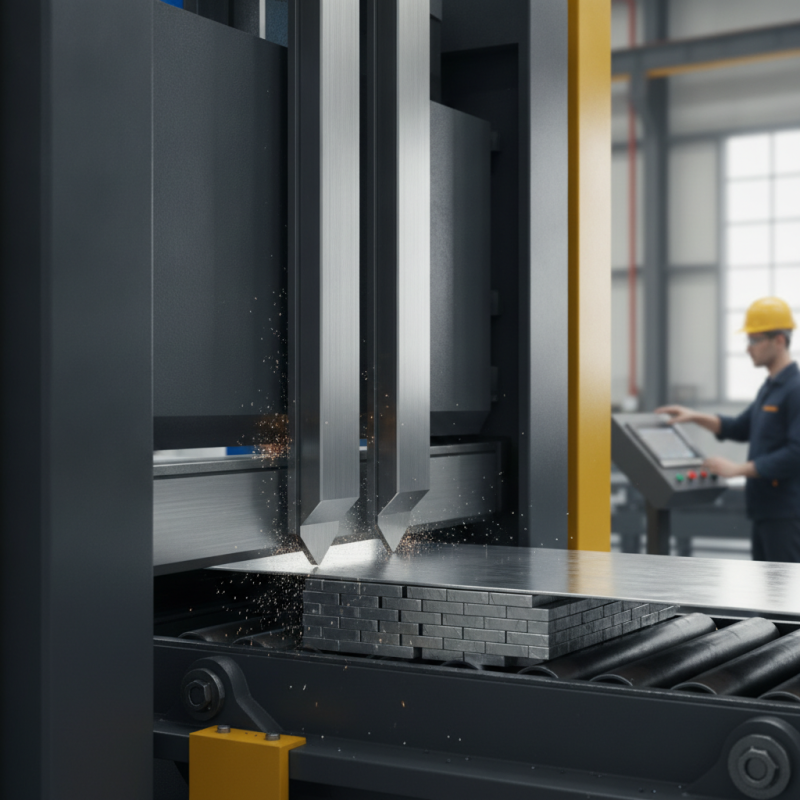
The Shear Cutter Machine employs a simple yet effective mechanism. It uses sharp blades to slice through materials with force and accuracy. This capability makes it indispensable in sectors like metal processing and woodworking. Observing its operation reveals the intricacies involved. Each cut requires calibration and material-specific adjustments.
While the technology is impressive, challenges remain. Operators must constantly refine their methods to improve efficiency. A single miscalibration can lead to wasted materials. The significance of regular maintenance cannot be overstated. Understanding each component's role is essential for optimal performance. The Shear Cutter Machine represents an ongoing journey of learning and adaptation in manufacturing.
What is a Shear Cutter Machine?
A shear cutter machine is an essential tool in manufacturing and construction. It facilitates the cutting and shaping of materials, including metal, plastic, and composite materials. These machines utilize a powerful blade or set of blades to create precise cuts. According to a report by Research and Markets, the global shear cutter machine market is expected to grow significantly, driven by advancements in technology and increasing demand in various industries.
In operation, a shear cutter machine relies on a shearing motion. The materials are fed into the machine, where the blades apply force to shear through them. The machine's efficiency often depends on its design and the materials being processed. A study by Grand View Research indicates that machines designed for specific materials can improve cutting precision by up to 30%. However, achieving this precision requires regular maintenance and adjustment, which is often overlooked. Many operators find it challenging to ensure consistent performance without regular checks.
Despite their advantages, shear cutter machines are not without limitations. They are not suitable for all types of materials, and their effectiveness can diminish over time. Some machines may struggle with thicker or tougher materials, leading to uneven cuts. This can create waste and increase production costs. Therefore, it is crucial for operators to assess the capabilities of their machines regularly. Proper calibration and selection of cutting speeds can mitigate some of these issues, but ongoing training is necessary to maintain high standards of operation.
Key Components of Shear Cutter Machines
Shear cutter machines play a critical role in manufacturing and metalworking industries. Their design comprises several key components that ensure efficient operation. The cutting blade is vital. It directly affects the machine’s precision and performance. High-speed steel or carbide is commonly used for durability. According to a recent market report, about 45% of shear cutter production focuses on enhanced blade materials to increase lifespan.
Another essential component is the hydraulic system. This system generates the necessary force to cut through materials like steel and aluminum. Hydraulic systems can achieve pressures that exceed 2000 PSI, making them powerful tools in cutting operations. An important aspect often overlooked is maintenance. Regular checks on hydraulics and blade alignment can prevent costly downtimes. Studies indicate that poorly maintained systems can lead to a 30% decrease in operational efficiency.
The machine’s frame must be robust. A sturdier frame minimizes vibrations during cutting, which can affect precision. Advanced shear cutters now incorporate digital controls, allowing for automated adjustments. These machines can be outfitted with sensors to monitor performance metrics. Integrating technology provides a pathway for improving accuracy. However, not all operators are trained to handle these advanced features, highlighting an industry-wide need for better training programs.
Operational Principles of Shear Cutter Machines
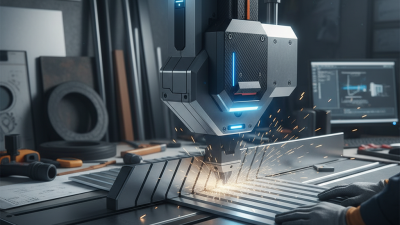
Shear cutter machines play a critical role in various manufacturing processes. They operate using a simple yet efficient mechanism based on the principles of shearing. This involves two blades that move relative to each other, applying a cutting force. The precision of the cut relies on the alignment and sharpness of these blades. As the material is fed into the machine, it undergoes shear stress, leading to a clean and accurate cut.
These machines can vary in size and capacity, making them versatile for different applications. From metal fabrication to plastics, shear cutter machines adapt well. However, maintenance and blade sharpening are essential. Dull blades increase friction and can compromise the quality of cuts. Operators must regularly monitor the machine's performance, ensuring that it runs smoothly and efficiently.
Training is critical for operators. Understanding the machine’s operational principles is key to safety and effectiveness. Mishaps can occur if guidelines are not followed, resulting in damage or injury. Continuous education about updates in technology is also necessary. There is always room for improvement in operational practices. Each cut can teach valuable lessons about optimizing processes and ensuring quality control.
Applications of Shear Cutter Machines in Various Industries
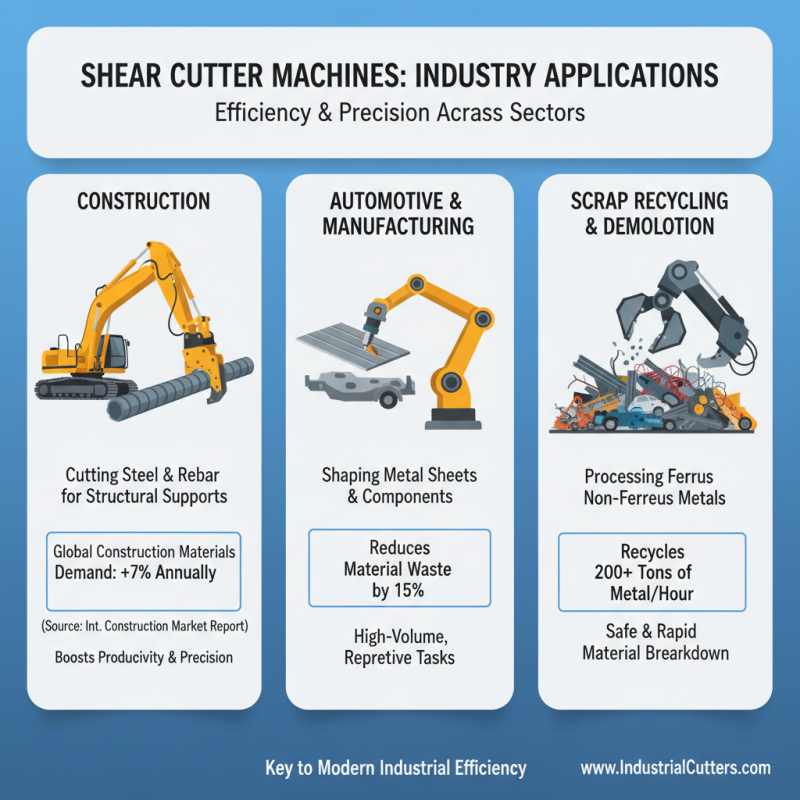
Shear cutter machines find extensive applications across various industries. In construction, these machines excel at cutting steel and rebar for structural supports. According to a report by the International Construction Market, the global demand for construction materials is projected to rise by 7% annually. This growth fuels the need for efficient cutting tools like shear cutters that enhance productivity and precision.
In the manufacturing sector, shear cutters are vital for processing sheet metal and fabric. They ensure clean cuts, which are essential in producing high-quality components for automotive and aerospace industries. A study from the Manufacturing Institute indicates that 78% of manufacturers use advanced cutting technologies to maintain competitiveness. The precision offered by shear cutter machines is critical in reducing waste and improving overall product quality.
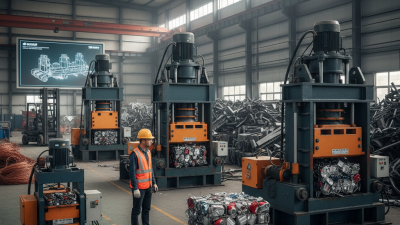
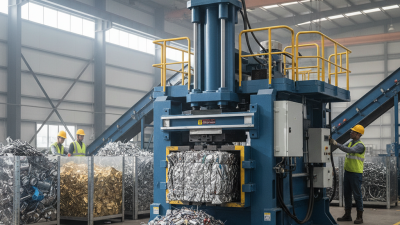
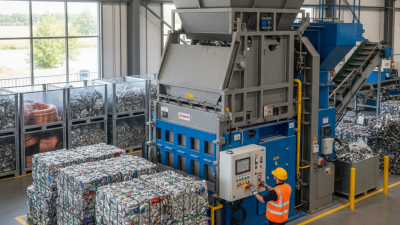
The recycling industry also utilizes shear cutter machines. They are effective in shredding and processing scrap materials. This process supports eco-friendly practices by reducing landfill waste. However, there is a challenge in balancing efficiency and energy consumption. Some machines may consume excessive power, which can impact operational costs. Industries must continuously evaluate and improve their cutting processes to optimize performance while minimizing environmental impact.
Maintenance and Safety Considerations for Shear Cutter Machines
Shear cutter machines play a vital role in various manufacturing settings. However, maintenance and safety are often overlooked. Regular upkeep ensures peak performance and prevents costly downtime. According to industry studies, more than 30% of machinery failures stem from lack of maintenance. Proper lubrication and inspection of blades can extend the cutter's lifespan significantly.
Safety concerns are paramount. Workers might not fully understand the risks involved in operating shear cutter machines. Training programs are essential. A survey reports that over 40% of workplace injuries arise from unsafe machinery handling. Clear protocols must be established to mitigate accidents. Use of personal protective equipment (PPE) is non-negotiable in high-risk environments.
Another aspect is operator familiarity with equipment. If not properly trained, operators may misuse the machines. This could lead to injuries and equipment damage. An audit of operational practices can provide insight into potential safety gaps. Such reflection often reveals areas that need immediate attention and improvement.