Why Choose a Non Ferrous Baler for Your Recycling Needs?
As industries strive for sustainability, the choice of recycling equipment becomes crucial. Experts emphasize the importance of investing in a Non Ferrous Baler. "The right baler can significantly increase operational efficiency," says John Smith, a leading expert in recycling technologies. His insights highlight the necessity of specialized equipment in managing non-ferrous materials like aluminum and copper effectively.
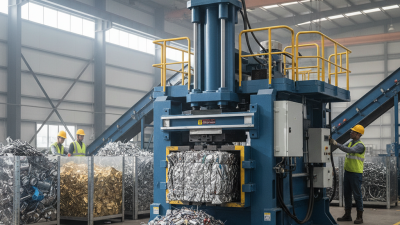
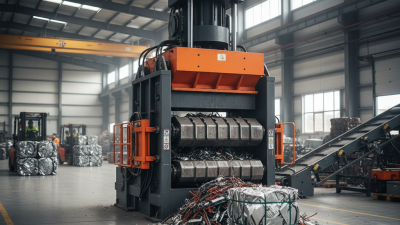
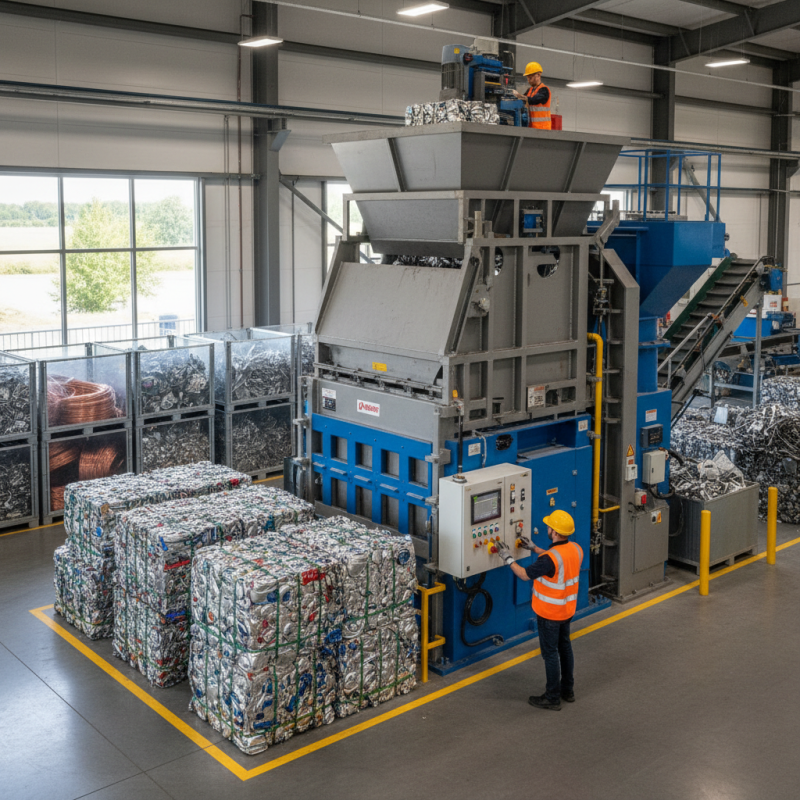
The Non Ferrous Baler stands out for its ability to handle unique recycling needs. These machines are designed to compress non-ferrous metals into manageable bales, facilitating easier transport and processing. Enhanced durability and precision are vital attributes that contribute to the efficiency of these balers. Investing in such technology can lead to increased profitability and reduced waste.
Despite the clear advantages, many businesses hesitate. Concerns about initial costs and long-term returns can cloud judgment. It's essential to weigh these factors carefully. A Non Ferrous Baler may seem like a significant investment upfront, but the long-term benefits often outweigh these costs, prompting a worthy reflection on recycling practices and their impact on the environment.
Benefits of Non-Ferrous Balers in Metal Recycling Operations
Non-ferrous balers play a crucial role in metal recycling operations. Unlike ferrous materials, non-ferrous metals like aluminum and copper are valuable in recycling. According to the Institute of Scrap Recycling Industries (ISRI), approximately 1.5 million tons of aluminum are recycled annually in the U.S. alone. The efficiency of non-ferrous balers significantly affects the amount of material that can be processed and the overall profitability of recycling operations.
These balers compress scrap metals into manageable bales. They help reduce storage space and enhance transportation efficiency. A report by the American Metal Market highlights that using compact bales can increase shipping loads by up to 20%. This translates into fewer trips and lower carbon emissions. Moreover, the precision of non-ferrous balers preserves the quality of the metals, making them more desirable to buyers.
However, not all balers are created equal. Choosing the right model involves assessing specific needs. Factors like bale size, machine speed, and energy consumption must be considered. Some operations may experience downtime if the equipment fails. While non-ferrous balers offer advantages, operational challenges remind us to continuously improve and adapt our recycling strategies.
Benefits of Non-Ferrous Balers in Metal Recycling Operations
The Efficiency of Non-Ferrous Balers: Energy Consumption and Output
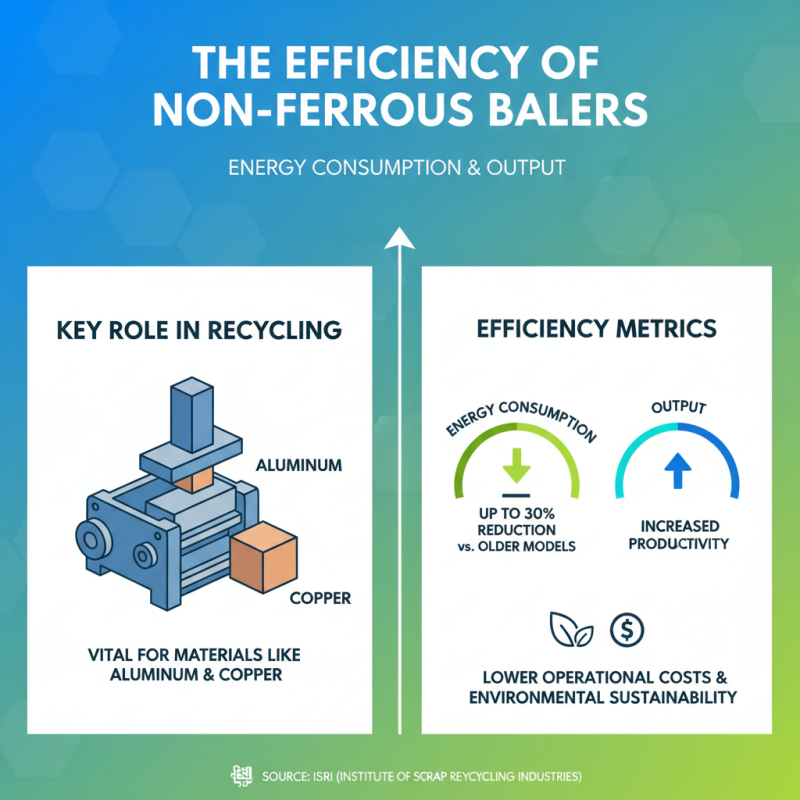
Non-ferrous balers play a vital role in recycling, especially for materials like aluminum and copper. Their efficiency is often measured by energy consumption and output, which are critical factors in today's eco-conscious world. Research from the Institute of Scrap Recycling Industries shows that non-ferrous balers can reduce energy use by up to 30% compared to older models. This significant energy saving not only lowers operational costs but also contributes positively to environmental sustainability.
When evaluating your recycling needs, consider the balance between energy efficiency and processing output. While newer models may initially appear costly, they typically yield higher output rates. Industry data indicates that modern balers can produce up to 90 tons of bales per hour. This efficiency can enhance productivity, reducing turnaround times for recycling operations.
Tip: Regular maintenance of non-ferrous balers can enhance their efficiency and longevity. Simple practices like cleaning and lubricating components can prevent inefficiencies. It’s essential to assess your baler's operational metrics periodically. Identifying underperformance may prevent costly downtime and inefficiencies. Balers are substantial investments; understanding their operational capacity is crucial for sustainable recycling practices.
Comparative Analysis: Non-Ferrous vs. Ferrous Balers in Recycling
When evaluating balers for recycling, non-ferrous and ferrous options stand out. Ferrous balers handle iron and steel efficiently. They excel in situations where magnetic separation is available. However, non-ferrous balers are specifically designed for aluminum, copper, and other non-ferrous metals. These materials are often lighter and require delicate handling to prevent damage.
Non-ferrous balers provide versatility. They can process various materials without the risk of contamination from ferrous metals. This is crucial for preserving the integrity of valuable non-ferrous scrap. In contrast, ferrous balers may struggle when mixing materials. The lower density of non-ferrous products can lead to inefficiencies if not handled properly.
Choosing the right baler affects the recycling process's overall efficiency. Non-ferrous balers, while possibly more complex, offer greater material recovery rates. Some installations do not maximize their potential. Companies may find themselves spending more on energy and maintenance due to improper choice. Although the initial investment may be higher, the long-term benefits can be significant. Balers require periodic adjustments to maintain optimal performance. This may necessitate more hands-on monitoring and expertise.
Comparison of Non-Ferrous and Ferrous Balers for Recycling
| Feature |
Non-Ferrous Balers |
Ferrous Balers |
| Material Compatibility |
Aluminum, Copper, Lead, Zinc |
Steel, Iron, Cast Iron |
| Bale Density |
High |
Moderate |
| Processing Speed |
Faster |
Slower |
| Energy Efficiency |
Higher |
Lower |
| Cost of Operation |
Generally Lower |
Generally Higher |
| Environmental Impact |
Less Pollution |
More Pollution |
| Durability |
High |
Moderate |
Industry Statistics: Non-Ferrous Metal Recycling Growth and Trends
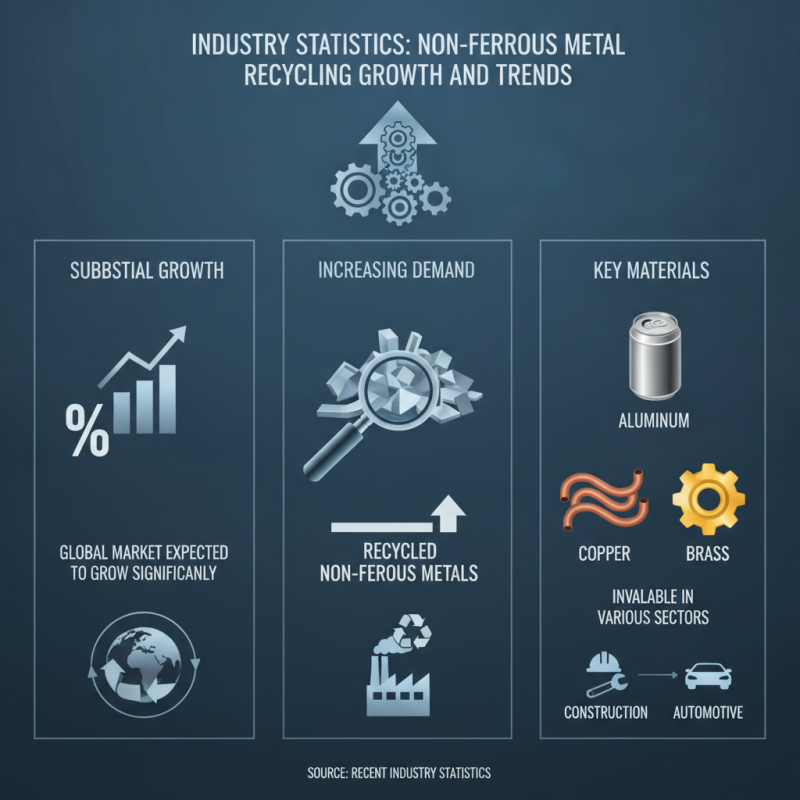
Non-ferrous metal recycling is witnessing substantial growth. According to recent industry statistics, the demand for recycled non-ferrous metals is on the rise. The global market is expected to grow significantly over the next few years. Aluminum, copper, and brass are some of the most popular materials being recycled. These metals are invaluable in various sectors, including construction and automotive.
One key reason for this trend is sustainability. Businesses are increasingly focusing on environmentally friendly practices. Recycling non-ferrous metals reduces the need for mining, which can be destructive. However, not all recycling processes are efficient. Many facilities still struggle to optimize operations. This creates opportunities for improvement. Advanced balers designed for non-ferrous materials can enhance efficiency. Proper equipment ensures that metal is processed effectively.
Industry experts highlight the importance of innovation. More balers are being optimized for specific materials. This specialization leads to better recovery rates. Yet, not all operations have adopted the latest technology. Some still rely on outdated methods. Awareness of these advancements is crucial for growth. As the market evolves, staying informed is essential. Making strategic choices in equipment can impact long-term success.
Choosing the Right Non-Ferrous Baler for Your Specific Needs
When evaluating the right non-ferrous baler for your recycling operations, understanding your specific needs is crucial. Non-ferrous materials, such as aluminum and copper, require specialized balers that can handle various shapes and sizes. Consider your throughput requirements. Larger operations may benefit from high-capacity machines, while smaller facilities might prioritize efficiency over volume.
Tips: Ensure the baler you choose offers multiple compression options. This flexibility allows you to adapt to different material types. Also, assess the baler's maintenance needs. A machine that is difficult to service may lead to costly downtime.
Operational costs matter too. Analyze the energy usage of potential balers; excessive power consumption can diminish savings. Pay attention to the baling cycle time as well. Machines that bale quickly can improve productivity but may require a higher initial investment.
When selecting a non-ferrous baler, it's essential to weigh the pros and cons. A highly efficient baler might meet your immediate needs but inspecting its long-term reliability is equally important. Consider the support and training provided by the manufacturer, as this can drastically impact your team's effectiveness in operating the machine.