What is an Aluminium Scrap Baler and How Does it Work?
The aluminium recycling industry is rapidly expanding. It is projected to reach a market size of over $100 billion by 2025, as reported by industry analysts. Central to this growth is the Aluminium Scrap Baler. This machine plays a vital role in processing recyclable aluminium. It efficiently compacts scrap into bales, making transportation and storage much easier.
Aluminium Scrap Balers are designed for high output and durability. They can handle various scrap types, from cans to industrial waste. Many facilities rely on these machines to optimize their recycling processes. Despite their advantages, some operators may overlook maintenance. Regular checks are essential for performance and longevity.
Understanding how an Aluminium Scrap Baler works can enhance efficiency. This knowledge can lead to improved operational practices. The insights gained from using this equipment can shape the future of recycling practices. Continuous innovation in this area will be crucial as demand rises. In conclusion, investing in an Aluminium Scrap Baler can significantly impact recycling operations positively.
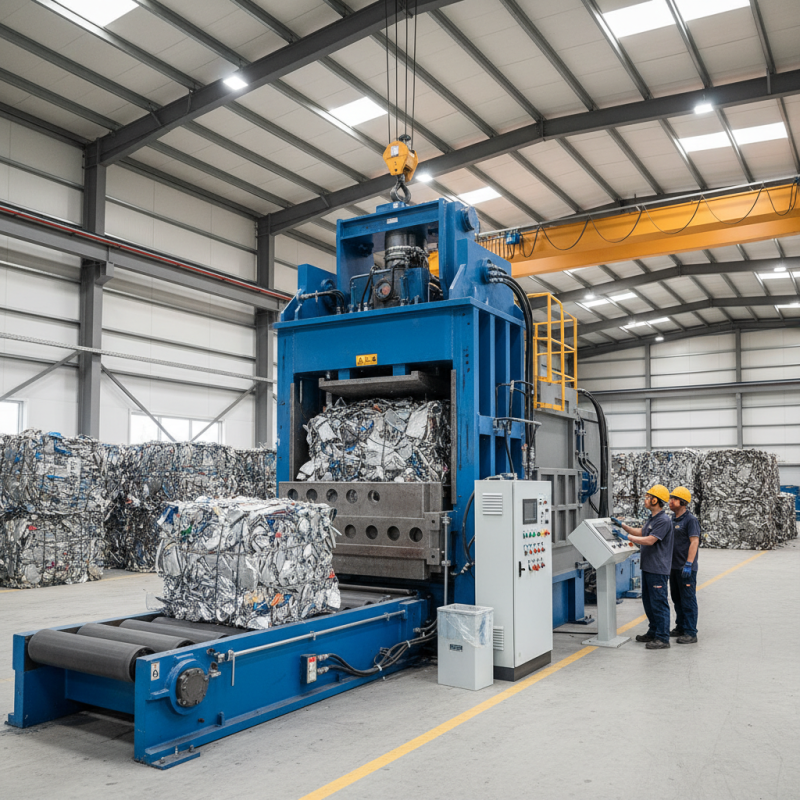
What is an Aluminium Scrap Baler?
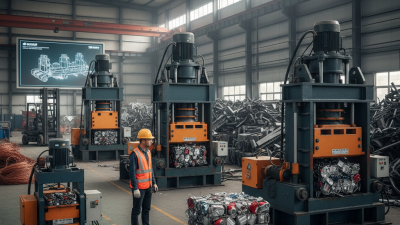
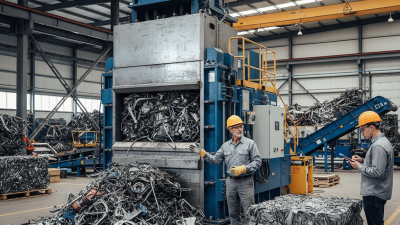
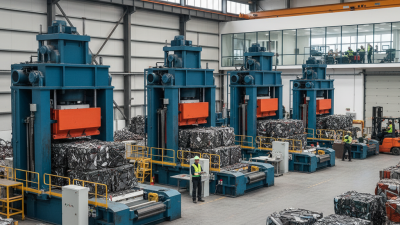
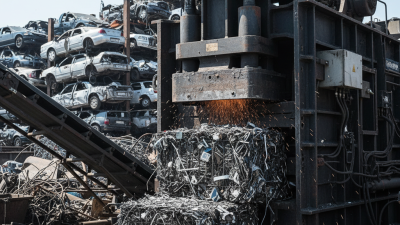
An aluminium scrap baler is a critical machine for recycling operations. It compacts aluminium waste into bales for easier handling and transportation. These machines can efficiently process various forms of aluminium, such as cans, sheets, and extrusions. The baler uses hydraulic pressure to compress the scrap, creating dense and manageable bales. This ensures that recyclers maximize their storage space and reduce transportation costs.
Tips: Consider the size of your operation when choosing a baler. A larger facility may require a high-capacity machine. Understand the different types available, including vertical and horizontal balers. Maintenance is key; regular checks can prevent costly breakdowns.
Balers not only help in recycling but also contribute to reducing waste in landfills. However, improper use can lead to safety hazards. Operators should always be trained to handle the machine effectively. Incorrectly loaded materials can cause blockages and affect efficiency. It's essential to monitor the baling process for optimal results.
What is an Aluminium Scrap Baler and How Does it Work?
| Feature |
Description |
Benefits |
Specifications |
| Function |
Compresses aluminium scrap into bales for efficient handling. |
Saves space and reduces shipping costs. |
Varies by model; typically between 50-150 tons per hour. |
| Types |
Horizontal, vertical, and automatic balers. |
Offers flexibility for different operational needs. |
Power requirements vary; usually 5-30 kW. |
| Components |
Includes hydraulic systems, control panels, and safety features. |
Enhanced safety and operational efficiency. |
Dimensions vary; typically around 3m x 1.5m. |
| Usage |
Used in recycling plants and manufacturing facilities. |
Promotes recycling and resource efficiency. |
Maintenance schedule typically every 6-12 months. |
| Cost |
Purchase and installation can vary from $10,000 to $150,000. |
Long-term savings on labor and transport costs. |
Return on investment typically seen within 2-5 years. |
Key Components of an Aluminium Scrap Baler
An aluminium scrap baler is essential for recycling operations. It compacts scrap aluminium into bales, making transport and storage easier. Understanding its key components helps in appreciating its efficiency.
The main parts include the baling chamber, hydraulic system, and control panel. The baling chamber compresses the material. Hydraulic systems provide immense pressure to form tight bales. The control panel allows operators to monitor and adjust settings easily. Each component plays a vital role in the baler's performance.
Tips for usage include routine maintenance checks, especially on hydraulic systems. This ensures smooth operation and prolongs the baler's lifespan. Operators should also familiarize themselves with emergency procedures for safety. Proper training on control panel usage can prevent mishaps. Always maintain cleanliness around the baler to avoid accidents and ensure efficiency. Understanding these elements helps in operating an aluminium scrap baler effectively.
The Working Mechanism of Aluminium Scrap Balers
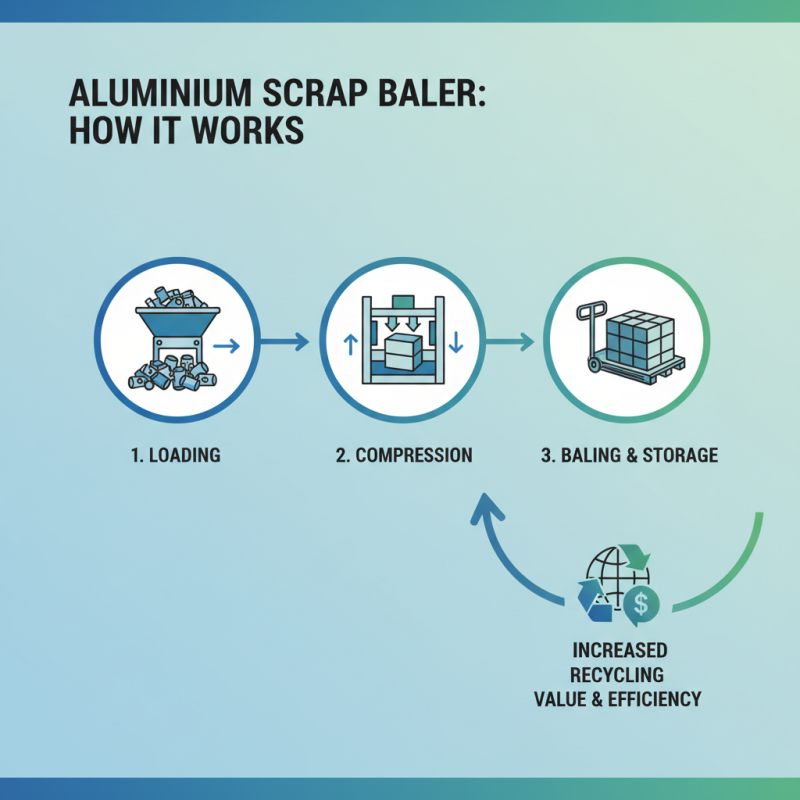
Aluminium scrap balers are essential machines for recycling facilities. They compress aluminium scrap into compact bales, making transportation and storage more efficient. The recycling process begins when scraps are loaded into the baler. As the machine operates, powerful hydraulic systems apply significant pressure to the scraps. This process ensures that the aluminium is densely packed, which can increase the recycling value.
The working mechanism involves several stages. Initially, the baler feeds the scrap into a chamber. The hydraulic ram then pushes it towards a series of compressing mechanisms. Reports indicate that this can create bales weighing up to 1,500 pounds. The entire process is designed for quick operation, often completing a cycle in less than a minute. This efficiency plays a crucial role in the recycling industry, where time and space are valuable.
However, challenges persist. Not every baler can handle all types of scraps effectively. For instance, mixed materials can disrupt the baling process, resulting in uneven bales. The energy consumption of these machines also raises concerns. Advanced balers tend to use less energy, but not all facilities can afford them. Proper maintenance is crucial to ensure optimal performance and longevity. Without it, even the best balers can underperform or break down.
Benefits of Using Aluminium Scrap Balers
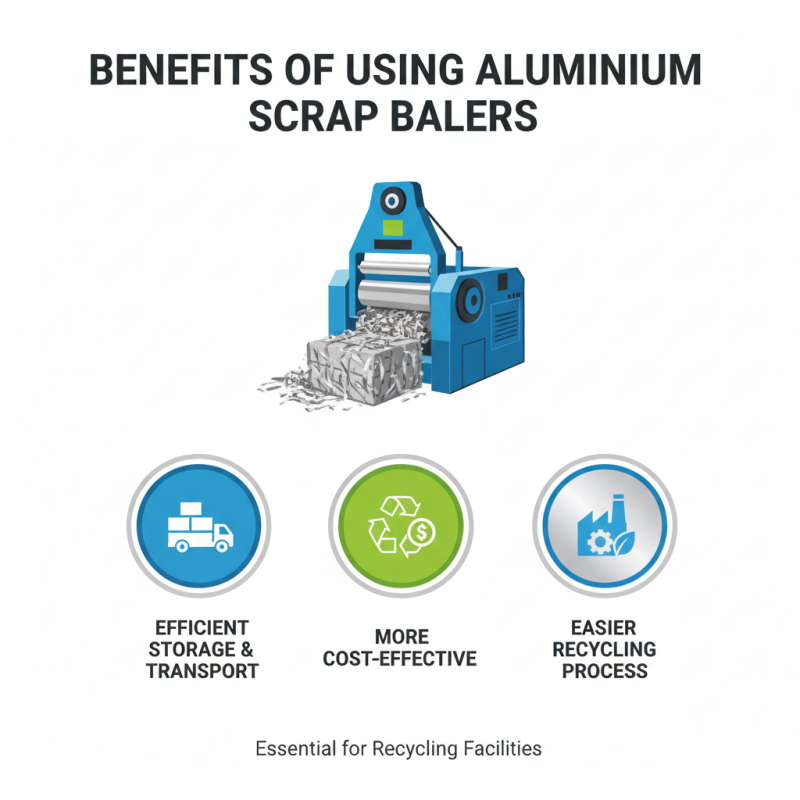
Aluminium scrap balers are essential for recycling facilities. They efficiently compact aluminium scraps into manageable bales. This process enhances storage and transport, making recycling easier and more cost-effective.
Using aluminium scrap balers comes with several benefits. They save time by automating the baling process. Manual baling is labor-intensive and can be inconsistent. In contrast, a baler ensures uniformity in size and weight, which is crucial for transporting scraps efficiently.
Environmental benefits are also significant. Compacting aluminium reduces its volume, minimizing landfill space usage. Less waste means fewer resources are needed for recycling. However, it’s important to ensure proper maintenance of balers. Regular checks can prevent breakdowns and ensure smooth operations. Ensuring quality control during the baling process is essential, as poorly compacted bales can lead to issues down the line.
Applications of Aluminium Scrap Balers in Recycling Industry
Aluminium scrap balers play a vital role in the recycling industry. They efficiently compress loose aluminium scraps into compact bales. This process reduces storage space and transportation costs. According to the Recycling Research Institute, the global aluminium scrap recycling market is projected to reach USD 12.5 billion by 2025. Such balers facilitate the collection and processing of scrap, making recycling operations more efficient.
Many industries implement aluminium scrap balers to streamline their recycling efforts. For example, the automotive sector generates large amounts of scrap during production. In 2021, over 1 million tonnes of aluminium scrap were generated in the automotive industry alone. Balers help convert this scrap into reusable material, promoting sustainability. They allow companies to meet environmental regulations while maximizing resource recovery.
Despite their advantages, aluminium balers require regular maintenance. Wear and tear can affect performance. Operators need proper training to ensure effective use. It’s crucial to weigh the costs of upkeep against the benefits of recycling. Inconsistent practices may lead to less efficient operations. Balers should be integrated thoughtfully into recycling systems for optimal outcomes.
Aluminium Scrap Baler Recycling Efficiency
This chart illustrates the efficiency of aluminium scrap balers in the recycling industry based on different types of scrap processing. The data shown reflects the estimated processing capacity (in tons per hour) of various aluminium scrap categories handled by balers.