Top Non Ferrous Baler Suppliers for Global Buyers Guide?
In the dynamic landscape of recycling, finding the right Non Ferrous Baler supplier is crucial for efficiency. John Smith, a recognized expert in waste management, once stated, “The right baler can enhance productivity and reduce operational costs.” This insight highlights the importance of selecting dependable equipment in an era where recycling plays a pivotal role in sustainability.
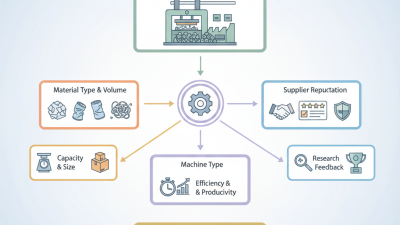
Choosing a Non Ferrous Baler requires careful consideration. Buyers must assess specifications, capacity, and technologies offered by different suppliers. While many companies boast advanced machinery, not all meet the unique needs of every operation. It’s essential to research and evaluate suppliers based on proven experience and customer feedback. Investing in subpar equipment may lead to inefficiencies and increased expenses.
Navigating the world of Non Ferrous Balers can be overwhelming. However, understanding the key players in the industry is vital for informed decisions. Leaders in baler technology provide varied solutions to meet specific requirements. Finding a reputable supplier who aligns with your goals can make a significant difference. Reflecting on choices and remaining diligent will ensure optimal performance in your recycling operations.
Overview of Non-Ferrous Balers and Their Applications
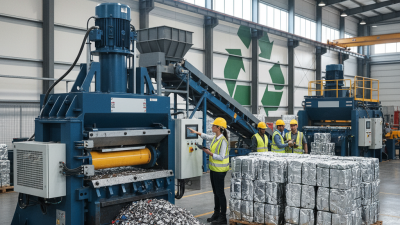
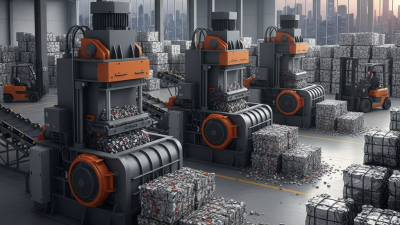
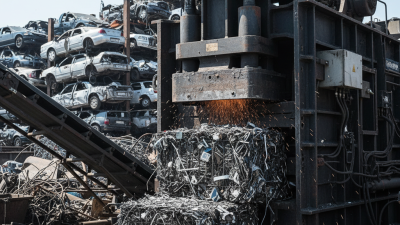
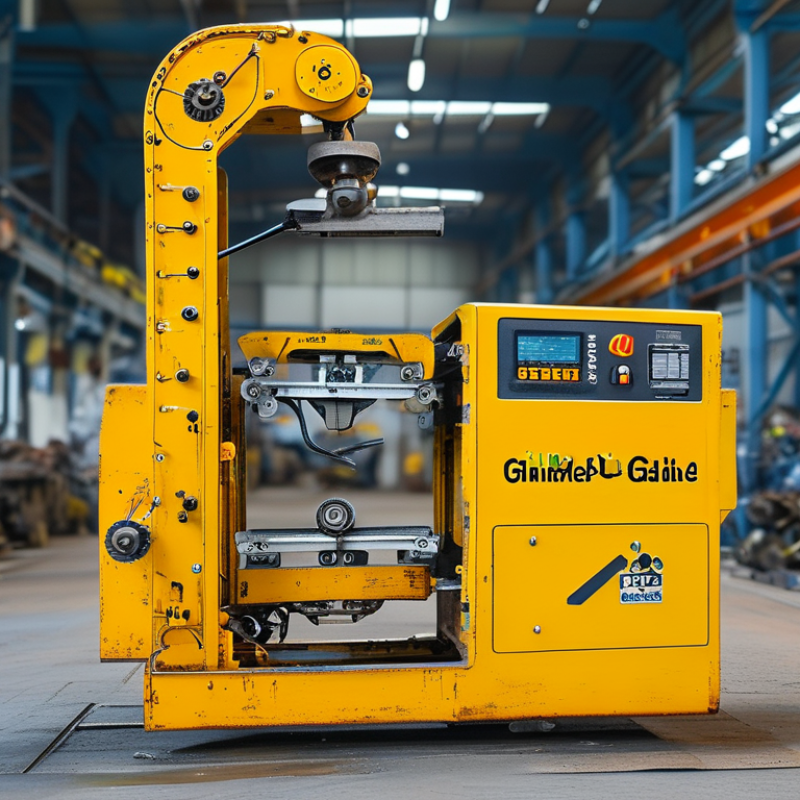
Non-ferrous balers play a vital role in recycling and waste management. These machines are designed to handle materials like aluminum, copper, and plastics. They compress scrap into bales, making transportation and storage easier. Efficient baling reduces the volume of waste, allowing for more effective recycling processes. Users benefit from improved organization and reduced costs associated with waste disposal.
The applications of non-ferrous balers are diverse, spanning various industries. Manufacturers often rely on these balers to optimize their operations. For instance, metal recyclers require robust machines to manage high volumes of scrap. These balers not only improve efficiency but also contribute to sustainable practices. However, some users might find the initial investment challenging. Balers can be expensive, and upkeep costs may add up over time. Therefore, understanding the total cost of ownership is crucial.
Moreover, selecting the right baler can be complicated. Factors such as material type, intended use, and expected volume must be considered. Buyers should consult experts to navigate these choices effectively. Not every baler suits every operation. Without thorough research, users might face inefficiencies or increased costs. Having the right equipment makes a significant impact on operational success.
Top Non Ferrous Baler Suppliers for Global Buyers Guide
| Supplier Region |
Baler Type |
Processing Capacity (tons/hour) |
Power Consumption (kW) |
Typical Applications |
| North America |
Horizontal Baler |
10-20 |
30-50 |
Aluminum, Copper, Brass |
| Europe |
Vertical Baler |
5-15 |
20-35 |
Zinc, Nickel |
| Asia |
Semi-Automatic Baler |
8-18 |
25-45 |
Scrap Metal, Electronics |
| Australia |
Fully Automatic Baler |
15-25 |
40-70 |
Aluminum, Wire |
Criteria for Selecting the Best Non-Ferrous Baler Suppliers
When selecting non-ferrous baler suppliers, several criteria come into play.
Quality of equipment is paramount. According to industry reports, balers made from durable materials can enhance longevity and efficiency. Look for suppliers that utilize advanced engineering and technology in their production processes. This not only improves performance but also reduces maintenance costs over time.
Another vital aspect is customer support. A reputable supplier should offer robust after-sales service and training. A survey indicated that 70% of users valued ongoing support as crucial for operational efficiency. Inquire about the availability of spare parts and service response times. Fast and efficient support can greatly affect production uptime.
Tips: Focus on suppliers that provide warranties or guarantees. This indicates confidence in their products. Also, consider user reviews and feedback. Speaking with current users can provide insight into a supplier's reliability and service quality.
Lastly, assess the supplier's sustainability practices. Since the global push for environmental responsibility is growing, suppliers should demonstrate a commitment to eco-friendly operations. Gathering this information can help identify suppliers who align with modern sustainability standards.
Top Global Suppliers of Non-Ferrous Balers: A Comparative Analysis
When evaluating non-ferrous balers, buyers face a multitude of choices. These machines are critical for recycling purposes. They compact materials like aluminum and copper, making transportation easier. Understanding the top suppliers is essential for making informed decisions.
In this comparative analysis, consider the features offered by different balers. Look for efficiency, durability, and technological advancements. Some balers have automated systems that optimize the compacting process. Buyers should also factor in after-sales service. A reliable supplier offers timely support and maintenance. Many suppliers claim high capacity, but not all deliver consistent performance.
Comparing prices can be challenging. While some providers present lower initial costs, hidden expenses may emerge. Consider the total cost of ownership instead of just purchase price. Inspecting balers before the purchase is advisable. Buyers should also request customer feedback. This can reveal insights into long-term reliability and operational challenges.
Top Non-Ferrous Baler Suppliers - Comparative Analysis
Customer Reviews and Feedback on Leading Baler Manufacturers
When exploring the landscape of non-ferrous baler suppliers, understanding customer reviews is crucial. Feedback from actual users offers valuable insights. Many customers rave about the efficiency and durability of their balers. However, some mention challenges in maintenance and parts availability. These experiences can guide potential buyers in making informed decisions.
Consider this tip: always read multiple reviews. Look for patterns in feedback. If several users mention similar issues, take note. For instance, a common complaint about performance under heavy loads may signal a potential drawback. On the flip side, positive reviews on customer service can highlight trustworthy manufacturers.
Another tip to remember: engage with the community. Online forums and professional networks often feature discussions about valuable suppliers. Understanding the real experiences of others can clarify your choices and expectations. Users often emphasize the importance of timely support and good warranties. Evaluate these aspects when selecting a supplier, as they can significantly impact long-term satisfaction.
Emerging Trends in Non-Ferrous Baling Technology and Equipment
Emerging trends in non-ferrous baling technology are shaping the future of recycling. Innovations in automation and machine efficiency are improving the processing of materials like aluminum and copper. These advancements help reduce waste and enhance recovery rates, making recycling more sustainable.
One key area of development is the integration of AI in baling. Smart systems can optimize the pressure and settings for different materials. This leads to better compacting and fewer operational errors. Investing in technology like this can save time and resources, though it requires adaptation from operators.
Tip: Regular training for staff on new equipment can maximize efficiency. Understanding machinery operation is crucial for maintaining safety and performance.
Another trend is the design of energy-efficient balers. These systems use less power while maintaining operational output. Implementing green technology not only lowers costs but also meets regulatory demands. It's essential to consider energy consumption as part of the purchasing decision.
Tip: Assessing energy efficiency ratings can lead to long-term savings. Evaluate metrics carefully to choose the best options.