How to Choose the Best Alligator Shear Blades for Your Needs?
Choosing the right Alligator Shear Blades is essential for optimizing machinery performance in metal processing industries. According to a report by Market Research Future, the global metal cutting tools market, which includes shear blades, is projected to reach $10 billion by 2025. This growth underscores the importance of selecting the best equipment for efficiency and safety.
Alligator Shear Blades come in various types, each designed for specific applications. Understanding the material, thickness, and cutting requirements can significantly affect operational results. Many companies still face challenges in properly assessing their needs, leading to inefficient use of resources.
Moreover, not all blades are created equal. Reports suggest that improper selection can lead to increased downtime and maintenance costs. Industry experts recommend seeking advice from suppliers and analyzing previous performance metrics. This approach ensures a more informed choice, ultimately improving productivity and cost-effectiveness in metal cutting tasks.
Understanding Alligator Shear Blades: Types and Features
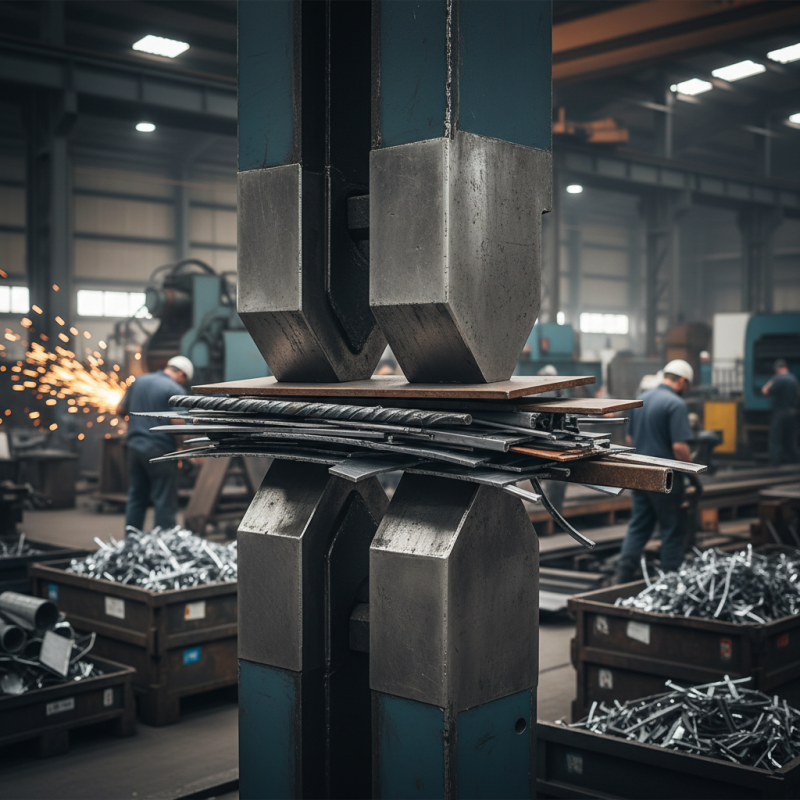
When selecting alligator shear blades, understanding their types and features is crucial. Different materials affect performance.
High-speed steel blades are durable and suitable for thick metals. Carbide blades offer sharpness but may chip more easily. Each type has its strengths and weaknesses.
Features to consider include blade width and thickness. Wider blades provide stability but can bind in smaller spaces. Thinner blades cut easily but may require more frequent replacements. Choosing the right size affects efficiency.
For instance, blades that are too wide may struggle with delicate work tasks.
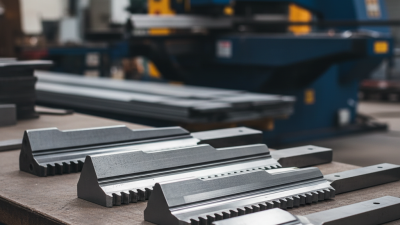
Additionally, the blade's design influences cutting precision. Some blades have serrated edges for better grip on materials. Others are smooth for clean cuts.
Reflecting on past experiences can guide future choices. Consider what has worked and what hasn't.
This critical evaluation can lead you to the ideal alligator shear blade for your specific needs.
Evaluating Material Options for Alligator Shear Blades
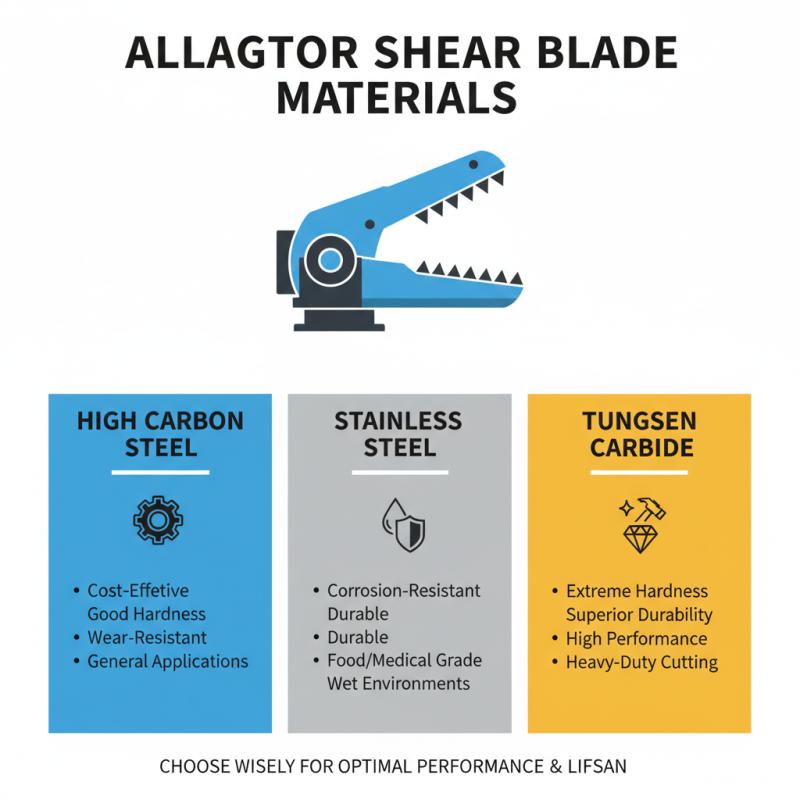
Choosing the right material for alligator shear blades is crucial. It directly impacts performance and durability. Common materials include high carbon steel, stainless steel, and tungsten carbide. Each material has unique properties and applications.
High carbon steel is popular in many industries. It offers great edge retention and is easy to sharpen. However, it can rust if not properly maintained. Stainless steel provides excellent corrosion resistance. It's a preferred choice in environments where moisture is prevalent. Yet, it might not hold an edge as well as high carbon steel.
Tungsten carbide is another option. It is exceptionally hard and can withstand significant wear and tear. According to recent industry reports, tungsten carbide blades last significantly longer than traditional steel blades. Still, they are heavier and more expensive. Evaluating these materials can help you select the best shear blades for your specific needs. Balancing performance, cost, and maintenance is essential for optimal results.
Assessing Blade Size and Cutting Capacity for Your Projects
When selecting alligator shear blades, assessing blade size and cutting capacity is crucial. Blade size impacts your ability to handle specific materials. A larger blade can tackle thicker steel but might be cumbersome for smaller tasks. Conversely, a smaller blade offers precision for intricate cuts. It's vital to match the blade size with your project's requirements, ensuring efficient work.
Cutting capacity is equally important. It determines the maximum thickness of material a shear can cut. If you often work with heavy steel plates, a shear with greater cutting capacity is essential. However, using a shear beyond its limit can lead to poor cuts or damaged blades. Understanding your typical projects will guide you in choosing the right capacity.
Sometimes, users may gravitate towards larger blades or higher capacity without considering the actual needs of their projects. Reflection on previous tasks can help. Have you ever struggled with an oversize blade? It might have slowed you down. Balancing size and capacity ensures you have the right tools for efficient and effective cutting.
How to Choose the Best Alligator Shear Blades for Your Needs?
| Blade Size (inches) |
Cutting Capacity (mm) |
Material Type |
Application |
Recommended Use |
| 10 |
6 |
Carbon Steel |
Sheet Metal |
Light Duty |
| 12 |
8 |
High-Speed Steel |
Thicker Materials |
Medium Duty |
| 14 |
10 |
Stainless Steel |
Heavy Cutting |
Heavy Duty |
| 16 |
12 |
Tool Steel |
Industrial Use |
Extreme Duty |
Key Brand Comparisons: Reliability and Performance Reviews
When choosing alligator shear blades, durability and precision matter. The right blade can make a difference in performance. Some brands are renowned for reliability, while others may have mixed reviews. Researching user feedback can help illuminate which blades hold up best over time. It’s vital to balance functionality with cost.
Consider how the blade will be used. Are you often cutting tough materials? Some blades excel in heavy-duty tasks. Others may work better for lighter jobs. Test out different options to find the right fit. User experiences vary widely, revealing that not every blade meets everyone’s needs.
Tips: Ensure compatibility with your shear model. Look for blades that offer warranties. This can indicate a brand’s confidence in their product. Don't overlook maintenance practices too. Proper care can extend the life of your blades significantly. Reflect on your experiences with different blades. What worked well? What didn’t? Your insights may guide future choices.
Maintenance Tips for Prolonging the Life of Alligator Shear Blades
Proper maintenance of alligator shear blades is crucial for longevity and performance. Regular cleaning helps remove debris and prevents oxidation. Use a soft brush and mild solvent for this task. Inspect the blades for nicks or wear, as these imperfections can affect cutting efficiency. Sharp blades yield cleaner cuts and require less force.
Lubrication is another key aspect of maintenance. Apply a light oil to the pivot points. This reduces friction and prolongs the life of both blades and machinery. It’s essential to check blade tension. Too tight can cause premature wear, while too loose can lead to uneven cuts. Finding that balance requires attention.
Don't overlook storage conditions. Store blades in a dry environment to avoid rust. Keeping blades in protective cases can prevent accidental damage. Reflecting on your maintenance routine can reveal areas for improvement. A commitment to maintaining your alligator shear blades enhances their lifespan and effectiveness.