How to Choose an Electromagnetic Lifting Magnet?
Choosing an Electromagnetic Lifting Magnet is not just a matter of matching its rated capacity to a steel load. In a busy fabrication shop, operators may move thick plates, bundles of scrap, or uneven steel parts. Each load presents different lifting conditions. Material type, thickness, surface flatness, and temperature can all affect magnetic performance. A painted, rusty, or curved surface may leave a small air gap, reducing the magnet’s holding force. Small details matter.
Before comparing models, identify the loads you handle most often and how frequently you lift them. Check the manufacturer’s rated capacity for the specific material and conditions, not just the largest number on a product page. Consider the magnet’s duty cycle, power supply, control system, and response to a power interruption. Some systems include backup power; others may not. Confirm the details with the supplier and follow the equipment maker’s operating instructions. A rating alone can look reassuring, but it cannot describe every lift.
The crane, lifting points, and work area also deserve attention. A compact magnet may suit a clean plate-handling line, while irregular scrap may need a different design. Ask how the unit performs with your actual load samples, if practical. Experienced operators can spot issues that a specification sheet misses. Still, their familiarity should not replace documented checks. Choosing carefully takes a little reflection. The right Electromagnetic Lifting Magnet supports efficient handling while helping teams manage real-world lifting risks.
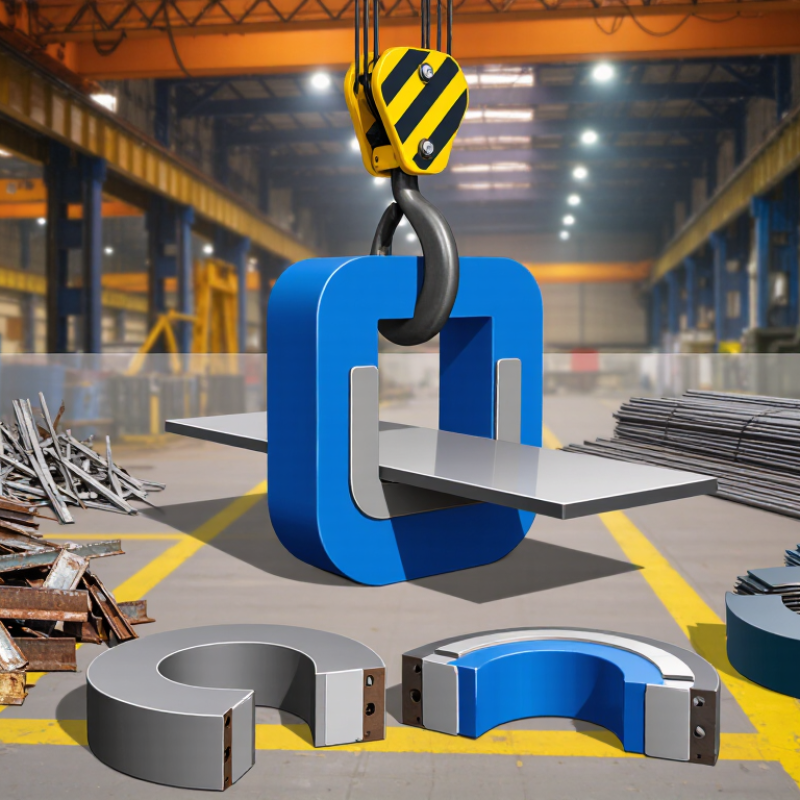
Define the Load: Mass, Steel Grade, Plate Thickness, and Surface Condition
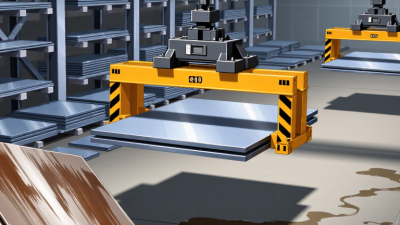
Before choosing an electromagnetic lifting magnet, define the actual load—not just its listed weight. Include attached fixtures, scale, or other items that will travel with the plate. Check the plate’s dimensions and how its weight is distributed. A narrow or flexible plate may behave differently from a compact, rigid load of equal mass. Small gaps matter.
Steel grade affects magnetic performance. Low-carbon steel generally responds well, while some alloy steels may provide less reliable holding force. Confirm the material specification where possible; appearance alone is not enough. Plate thickness also matters. If the steel is thinner than the magnet’s recommended minimum, it may not carry enough magnetic flux for a secure lift. Do not guess. Compare the measured thickness with the equipment’s capacity chart.
Inspect the contact surface, too. Paint, rust, mill scale, oil, and trapped debris can create an air gap between magnet and steel, reducing holding force. Even a thin coating deserves attention. Clean and flat contact is preferable, but real shop surfaces are rarely perfect. That is easy to underestimate. Record the load’s mass, grade, thickness, and surface condition, then have the selection checked against the magnet’s rated data and the specific lifting arrangement.
Read Capacity Curves: WLL Varies with Thickness and Air Gap
How to Choose an Electromagnetic Lifting Magnet?
Read Capacity Curves: WLL Varies with Thickness and Air Gap
An electromagnetic lifting magnet’s working load limit (WLL) is not one fixed number. Read the capacity curve for the actual plate thickness, rather than relying on the magnet’s headline rating. Thin steel may not carry enough magnetic flux, so its safe lifting capacity can be much lower. Check the curve’s assumptions, including steel type and load shape.
An air gap also reduces holding force. Paint, rust, scale, or a small curve can separate the magnet face from the steel. Even a few millimeters matter. Before lifting, inspect the contact surface and compare its condition with the capacity chart. If the load is thinner, rougher, or more curved than the chart allows, do not guess. Get qualified guidance or choose a suitable lifting method. I have seen clean-looking plate hide a slight bow; that detail is easy to miss.
Tips: Keep the capacity chart near the operating area. Measure the plate, remove loose debris, and seat the magnet flat. Confirm the stated WLL covers the full lift, including the load’s balance and movement. If the chart is unclear, pause and verify.
How to Choose an Electromagnetic Lifting Magnet? - Read Capacity Curves: WLL Varies with Thickness and Air Gap
The table below is an illustrative capacity curve for a hypothetical electromagnetic lifting magnet with a nominal 1,000 kg capacity on sufficiently thick, clean, flat steel. It demonstrates how reduced plate thickness and increased air gap can lower the working load limit (WLL).
Illustrative WLL by Steel Plate Thickness and Effective Air Gap
| Steel plate thickness |
0 mm air gap |
0.25 mm air gap |
0.5 mm air gap |
1.0 mm air gap |
| 6 mm |
300 kg |
230 kg |
170 kg |
90 kg |
| 12 mm |
520 kg |
430 kg |
330 kg |
190 kg |
| 25 mm |
780 kg |
690 kg |
570 kg |
360 kg |
| 50 mm |
1,000 kg |
900 kg |
760 kg |
520 kg |
| 75 mm and above |
1,000 kg |
930 kg |
800 kg |
560 kg |
Important: These figures are illustrative only, not certified ratings or a substitute for a manufacturer's capacity curve. Actual WLL depends on the magnet design, steel grade, plate dimensions, surface condition, temperature, and lifting arrangement. Paint, rust, scale, curvature, and uneven contact can create an air gap. Always use the magnet manufacturer's approved chart and operating instructions, and never exceed the marked WLL.
Select the Magnet Type: AC/DC Electromagnetic or Electro-Permanent
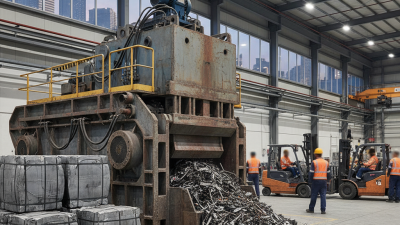
When comparing AC/DC electromagnetic and electro-permanent lifting magnets, start with the duty cycle. A conventional electromagnetic magnet needs electrical power to hold its load. DC systems commonly provide steady holding force, while AC-powered setups may use rectification; confirm the controller and magnet are designed to work together. In a busy scrap yard, repeated lifts and long holds make power demand and heat buildup practical concerns. Measure actual lift time, not just the number of cycles.
An electro-permanent magnet uses a brief electrical pulse to switch its magnetic state, then holds without continuous power. That can reduce holding-power demand, but it does not make every lift safer or cheaper. Surface gaps, scale, plate thickness, and steel grade all affect performance. The IEA’s Tracking Industry 2023 report estimates that industry uses about 37% of global energy and produces nearly one-quarter of energy-related CO₂ emissions; these are sector-wide figures, not magnet-specific savings. For a magnet choice, compare measured energy use, required load capacity, and release behavior under your real operating conditions. A clean plate in a test bay is not a whole shift. I would also verify the maker’s rated capacity against the thinnest, most uneven material handled, and review the power-loss procedure with operators. Safety margins deserve a second look.
How to Choose an Electromagnetic Lifting Magnet?
AC/DC Electromagnetic vs. Electro-Permanent: Power Requirements by Operating Stage
Conventional AC or DC electromagnets require continuous electrical power to maintain their magnetic holding force. Electro-permanent magnets use an electrical pulse to switch their magnetic state and can hold a load without continuous power. Actual equipment and operating procedures vary by design; always follow the manufacturer’s specifications.
Check Duty Rating, Thermal Limits, and Backup Power for the Work Cycle
Choosing an electromagnetic lifting magnet starts with the actual work cycle, not the heaviest load on paper.
Check the magnet’s duty rating against how often it must lift, travel, and release. A magnet used repeatedly through a long shift may need a different rating from one used for occasional picks. Include pauses, load dwell time, and ambient heat in your estimate. Real shifts rarely follow a perfect schedule.
Thermal limits matter because heat builds during energizing and may not disappear during a short pause. Review the manufacturer’s operating guidance and temperature limits, then compare them with the planned cycle. Watch for restricted airflow, hot steel surfaces, and warm conditions near the magnet. A simple cycle log can reveal patterns that estimates miss. It may still be incomplete.
Backup power should keep the magnet energized long enough for a controlled response if the main supply fails. Confirm that the backup system suits the magnet’s electrical requirements and expected hold time. Include monitoring, alarms, and a practical way to test the system under controlled conditions. Do not assume a battery’s label tells the whole story; age, temperature, and maintenance affect available capacity. Have qualified personnel verify the setup and its procedures before regular use.
Verify ASME B30.20 Marking, Controls, Testing, and Inspection Requirements
How to Choose an Electromagnetic Lifting Magnet?
Verify ASME B30.20 Marking, Controls, Testing, and Inspection Requirements
A lifting magnet’s capacity is only one part of a safe selection. Check its identification plate against the applicable ASME B30.20 edition and the planned load. Confirm required markings are present, readable, and consistent with the manufacturer’s instructions. Pay attention to rated load, device weight, and any operating limits. A dusty shop floor or scratched plate can make useful information hard to verify.
Tips: Ask to see the manual, inspection records, and test documentation before purchase. Check that pendant labels are clear, and confirm required controls and warning features suit the magnet’s power system. Small details matter.
Review how the magnet will be tested and inspected throughout its service life. Ask who performs frequent and periodic inspections, how findings are recorded, and what triggers removal from service. Look for evidence that required testing was completed, including after relevant repairs or modifications. Match the inspection plan to actual use: frequent handling, impact, heat, or outdoor exposure can change what deserves attention. Paperwork can look complete while a control behaves poorly, so observe a functional check when practical. The standard and manufacturer’s instructions should guide final decisions.