2026 Top Electromagnetic Lifting Magnet Buying Guide?
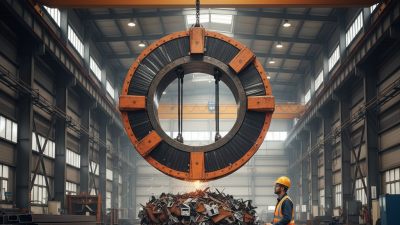
In the industrial sector, the demand for efficient lifting solutions is paramount. The use of Electromagnetic Lifting Magnets has surged, attributed to their ease of use and remarkable lifting capacity. According to a recent market analysis, the global electromagnetic lifting magnet market is projected to grow at a CAGR of 5.6% through 2026. This trend reflects a growing need for high-efficiency equipment in manufacturing and logistics.
Electromagnetic Lifting Magnets are essential tools in operations involving heavy metallic items. Their ability to quickly lift and move steel plates and scrap materials saves time. However, selecting the right magnet can be challenging due to the variety of options available. Factors such as lifting capacity, voltage requirements, and safety mechanisms demand thorough consideration.
Many buyers overlook crucial specifications. Not considering the environment in which the electromagnetic lifting magnet will operate can lead to performance issues. Understanding these details is vital for optimal use and safety. This buying guide aims to provide actionable insights and expert knowledge, ensuring you make an informed decision when investing in this critical equipment.

Understanding Electromagnetic Lifting Magnets and Their Applications
Electromagnetic lifting magnets play a crucial role in various industries, from manufacturing to construction. They operate on the principle of electromagnetism, allowing for efficient and powerful lifting capabilities. According to industry reports, the global market for these magnets is anticipated to grow at a compound annual growth rate (CAGR) of over 6% from 2023 to 2028. This growth reflects the increasing demand for automated lifting solutions.
Applications are diverse. In steel mills, these magnets are essential for moving large metal sheets. Construction sites use them for hoisting heavy materials. Ports frequently rely on these magnets to handle shipping containers. Each application emphasizes the need for reliability and strength. However, improper usage can lead to accidents, highlighting the importance of proper training and adherence to safety standards.
Tip: Always check the load capacity specified by the manufacturer. Overloading can damage both the magnet and the item being lifted.
Routine maintenance is vital. Regular inspection ensures optimal performance and safety. Electro-magnets can lose strength over time due to wear or electrical issues. Awareness of this aspect can prevent costly downtime. In the end, making informed decisions about electromagnetic lifting magnets is essential for operational efficiency.
Key Factors to Consider When Buying Electromagnetic Lifting Magnets
When purchasing electromagnetic lifting magnets, consider several key factors. Weight capacity is crucial. Ensure the magnet can handle the loads you intend to lift. Different magnets have varying capacities, so doing the math is important. Always verify specifications for safety.
The power source is another significant aspect. Electromagnetic lifting magnets require a reliable power supply. Check the input voltage and ensure compatibility with your equipment. Battery-operated models may offer flexibility, but they often have limited lifting times. This trade-off can impact efficiency on-site.
Durability is essential for long-term use. Choose a magnet made from robust materials to withstand harsh environments. Examine the design for wear resistance. Maintenance is another factor. Some magnets require more upkeep than others, affecting operational downtime. Evaluate how easily you can perform maintenance tasks. It is wise to consider these elements to make informed decisions.
Types of Electromagnetic Lifting Magnets: A Comprehensive Overview
Electromagnetic lifting magnets are essential in various industries. They are used to lift heavy objects safely and efficiently. Understanding the different types of electromagnetic lifting magnets is vital for making informed choices.
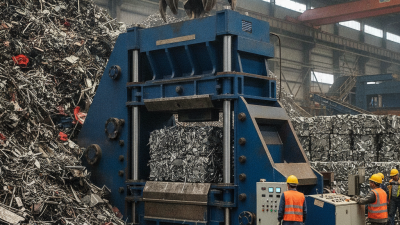
Permanent magnets are versatile options. They hold their charge without an external power source. These magnets can be used for various applications, from lifting steel plates to scrap metal. They are reliable but may not offer the lifting flexibility required in all situations.
Electro magnets, on the other hand, require electricity to function. This allows operators to control the lifting and release of materials with precision. They are ideal for operations that demand quick changes. However, their dependence on power can be a drawback if there are power failures.
Tips to consider: Always assess the weight capacity needed for your tasks. It’s important to match the lifting magnet with the weight specifications. Also, check the power source availability if you are opting for electro magnets. Safety should never be compromised. Always test the magnet before use to ensure it functions correctly. This can avoid workplace accidents.
Remember, not every magnet suits every task. Consider the environment and specific lifting needs. Reflecting on these factors will ensure better efficiency and safety in your operations.
Safety Features and Standards for Electromagnetic Lifting Magnets
When selecting electromagnetic lifting magnets, safety features should be a top priority. These devices lift heavy loads, so a failure can lead to catastrophic incidents. Key safety features include reliable power sources and emergency shut-off mechanisms. Adequate power reserve ensures the magnet remains functional even during power interruptions. Emergency shutdowns provide an instant cut-off, reducing risks during operation.
Additionally, compliance with safety standards is vital. Organizations often establish standards for magnetic lifting devices. These standards can involve load testing and durability assessments. Regular maintenance checks help identify wear and tear, which may affect performance. Failing to adhere to these standards increases the risk of accidents.
Users should reflect on how weight limits are often underestimated. Clear labeling of load capacities is crucial. Misjudgment of weights can cause magnets to lift more than they can handle. In these scenarios, additional training on handling and safety protocols may be necessary. Knowledgeable operators should be a part of any lifting team. This human factor is critical in ensuring effective safety practices are implemented consistently.
Maintenance Tips for Longevity and Optimal Performance of Magnets
Maintaining electromagnetic lifting magnets is crucial for longevity and optimal performance. Regular inspections help identify issues early. Always check for signs of wear or damage. Any crack could compromise the magnet’s effectiveness.
Tips for prolonging magnet life include keeping it dry and clean. Moisture can lead to corrosion or internal damage. Use a soft cloth to wipe it down regularly. Avoid exposure to extreme temperatures. Harmful environments can lay waste to even the best magnets.
Another critical aspect is proper storage. When not in use, store magnets in a controlled environment. Ensure the area is free from dust and debris. Remember, a simple mistake in maintenance can lead to costly replacements. Evaluate your practices periodically to enhance reliability.
2026 Top Electromagnetic Lifting Magnet Buying Guide
| Magnet Type |
Holding Capacity (kg) |
Power Supply (V) |
Weight (kg) |
Maintenance Frequency (Months) |
| Permanent Electromagnet |
300 |
220 |
15 |
12 |
| AC Lifting Magnet |
500 |
110 |
20 |
6 |
| DC Lifting Magnet |
600 |
24 |
18 |
8 |
| Heavy Duty Magnet |
800 |
220 |
25 |
12 |
| Compact Lifting Magnet |
200 |
110 |
10 |
4 |