Top Steel Baling Machine Trends to Watch in 2026?
The steel industry is undergoing rapid transformation, and the Steel Baling Machine plays a crucial role in this evolution. By 2026, we can expect significant advancements in technology and efficiency that will reshape the landscape. These machines are essential for processing scrap metal and improving recycling processes. As sustainability becomes a priority, the focus on innovative features will increase.
New technologies such as automation and smart features will revolutionize the Steel Baling Machine. Companies will invest in energy-efficient models that reduce operational costs. Enhanced safety protocols will also be a key focus, addressing the industry's need for a secure working environment. However, challenges remain in balancing innovation with affordability and accessibility.
As we look ahead, it's vital to reflect on industry trends and the implications they hold. Change can be daunting, yet it offers opportunities for growth and development. Companies must adapt to stay competitive while remaining mindful of their environmental impact. Embracing these changes can lead to a more sustainable future for the steel industry.
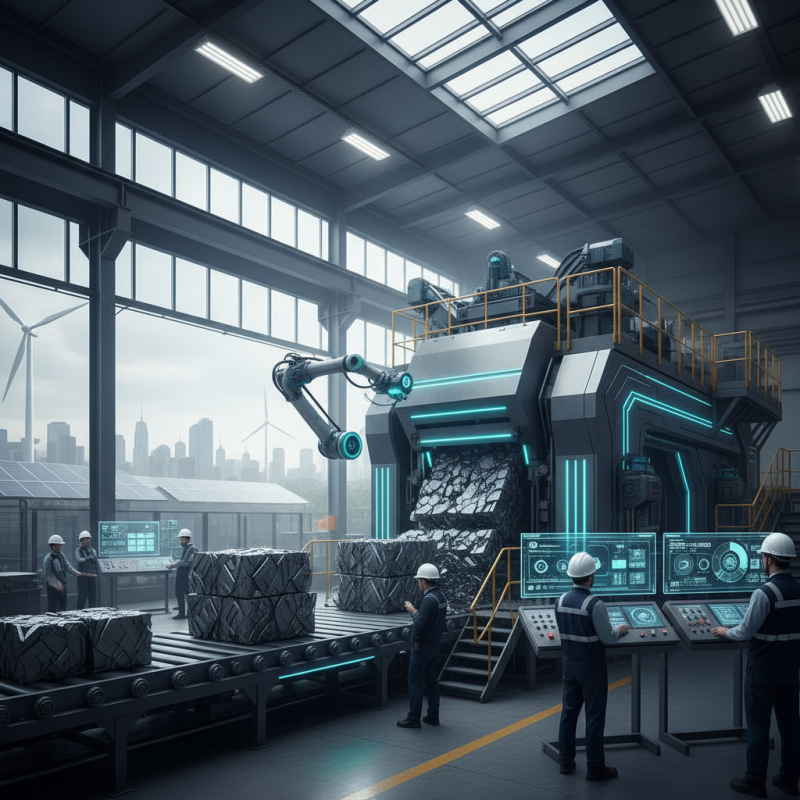
Emerging Technologies Shaping Steel Baling Machines in 2026
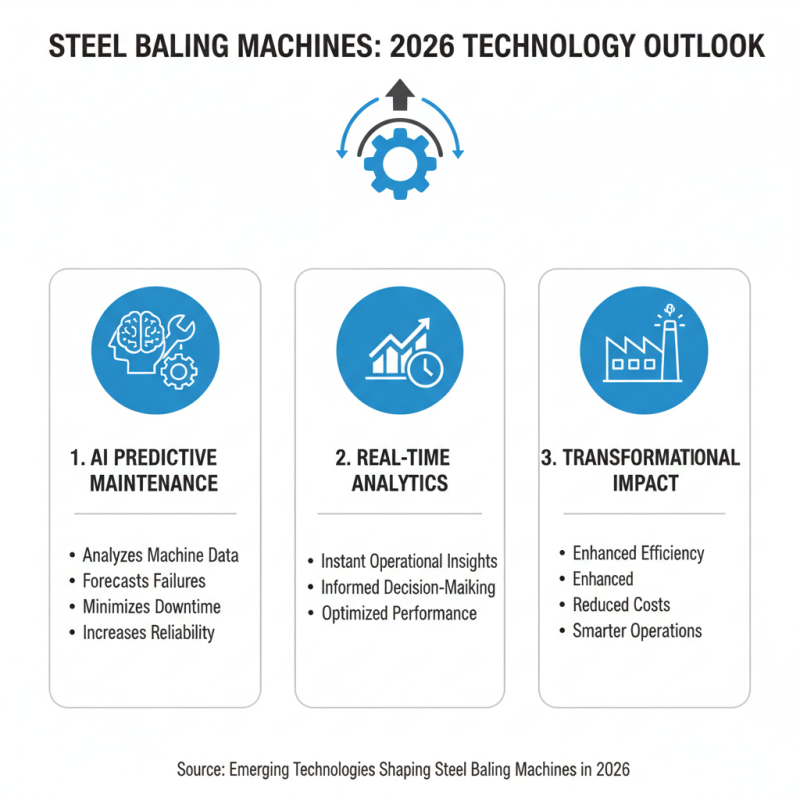
As we approach 2026, steel baling machines are set to undergo transformative changes driven by emerging technologies. One significant trend is the integration of artificial intelligence (AI) for predictive maintenance. This feature can analyze machine data to forecast potential failures, thereby minimizing downtime. Such technology enhances reliability and boosts operation efficiency. Operators may also gain insights through real-time analytics, enabling better decision-making.
Another important development is automation. New baling machines are likely to feature advanced automation capabilities. These systems can streamline workflows and reduce labor costs significantly. However, companies must consider the initial investment required. While automation offers long-term savings, upfront costs can be a barrier for some businesses.
Sustainability practices will also shape the future of steel baling machines. Manufacturers are focusing on energy-efficient designs and recyclable materials. Implementing these changes can lead to a reduced carbon footprint. This shift not only meets environmental regulations but also appeals to eco-conscious consumers. Still, the challenge remains to balance sustainability with performance and cost.
Sustainability Initiatives in Steel Baling Manufacturing Practices
As we approach 2026, sustainability in steel baling manufacturing is gaining momentum. More companies are realizing the importance of eco-friendly practices. This shift is no longer optional; it’s essential. Steel baling machines now incorporate energy-efficient technologies. These machines reduce waste and consume less power, but implementation is still a challenge for many businesses.
Recycling steel is a significant aspect of sustainable practices. Improved baling techniques enhance the quality of recycled steel. However, not all facilities can adapt at the same pace. Some may struggle with the initial costs of new equipment. Also, integrating renewable energy into operations remains a hurdle. Ongoing training for staff is crucial. Understanding sustainability is vital for future success.
There are still gaps in the industry, like the availability of sustainable raw materials. Companies need to build stronger relationships with suppliers. Collaboration is key in driving change. Adopting sustainable materials can lead to better practices in steel baling. The path to sustainability is complex, but the potential rewards are immense. The entire manufacturing process must evolve to embrace this essential change.
Top Steel Baling Machine Trends to Watch in 2026
| Trend |
Description |
Impact |
Sustainability Rating |
| Automation Integration |
Incorporating AI and robotics to enhance efficiency in baling operations. |
Improves productivity and reduces labor costs. |
High |
| Energy Efficiency |
Adopting energy-efficient motors and systems to reduce energy consumption. |
Lower operational costs and carbon footprint. |
Very High |
| Recycling Innovations |
New technology to enhance the recycling of scrap steel in baling processes. |
Promotes a circular economy and reduces waste. |
High |
| Smart Sensors |
Using IoT sensors for real-time monitoring of machine performance and maintenance. |
Increases uptime and reduces unexpected failures. |
Medium |
| Material Optimization |
Research and development of more sustainable materials for balers. |
Lowers environmental impact and enhances material recyclability. |
High |
Automation and Robotics Trends in Steel Baling Processes
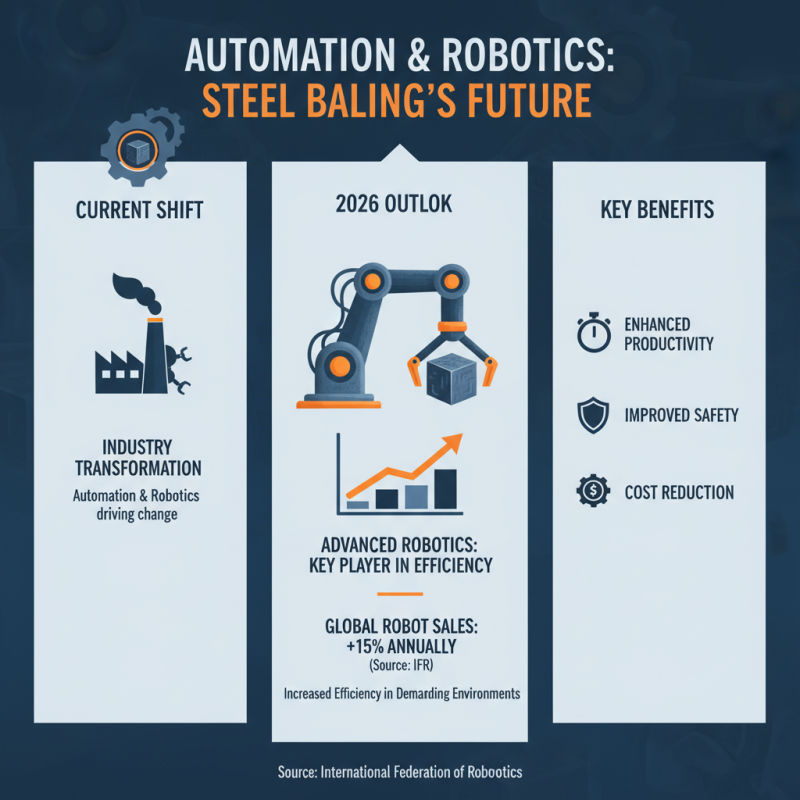
The steel baling industry is witnessing significant changes due to automation and robotics. By 2026, advanced robotics is expected to be a key player in enhancing steel baling processes. According to a recent report by the International Federation of Robotics, global sales of industrial robots are projected to grow by 15% annually. This trend signals a shift toward increased efficiency in demanding environments.
Automation is driving productivity and precision in steel baling. Automated systems can handle heavier loads with less downtime. A study by McKinsey reveals that automation could boost productivity by 50% in heavy industries. However, this doesn't come without challenges. The integration of robotic systems requires skilled professionals who can manage and maintain these advanced machines. Industry experts emphasize the need for ongoing training programs to address this skills gap.
The cost of implementation remains a concern. Smaller companies may struggle to invest in high-tech solutions. Yet, the long-term savings and efficiency gained can outweigh initial expenses. As the steel industry evolves, the role of automation and robotics will become increasingly vital. The journey toward full automation in steel baling is complex and requires continuous adaptation to new technologies and processes.
Market Demand Influencing Steel Baling Machine Innovations
The demand for steel baling machines is dramatically evolving. Industries are increasingly focusing on sustainability. As recycling efforts grow, so does the need for efficient baling solutions. Companies are seeking innovative machines that can handle various materials more effectively. Adaptability has become a crucial factor in purchasing decisions.
Recent trends highlight a shift towards automation. Advanced technology is paving the way for smarter machines. These machines can operate more efficiently, reducing downtime and maintenance costs. However, the integration of new technology often requires training. This need for skill development presents a challenge for many organizations.
Additionally, energy efficiency continues to shape market expectations. Many manufacturers aim to produce machines that consume less power while maintaining performance. Balancing energy use with operational efficiency is complex. While innovations are promising, some users may find these advanced systems daunting. Overall, the steel baling industry faces both opportunities and challenges as it adapts to changing market demands.
Regulatory Changes Impacting Steel Baling Machine Development
In recent years, regulatory changes have significantly influenced the steel baling machine industry. New environmental standards aim to reduce carbon emissions and improve energy efficiency. These regulations require manufacturers to innovate and adopt cleaner technologies. Compliance can be a challenge, but it also drives progress.
While the shift may seem overwhelming, it offers a chance for better designs. Machine efficiency can be improved by utilizing advanced sensors and AI-driven analytics. Eco-friendly materials are becoming essential too. This transition may create hesitation, but adjustment can lead to improved profitability and sustainability.
Tips: Staying informed about regulatory updates is crucial. Regular training for staff can enhance compliance strategies. Engage with industry forums to share best practices and challenges. Embracing these changes could pave the way for advanced solutions and competitive advantages in the marketplace.
Top Steel Baling Machine Trends to Watch in 2026