Leave Your Message
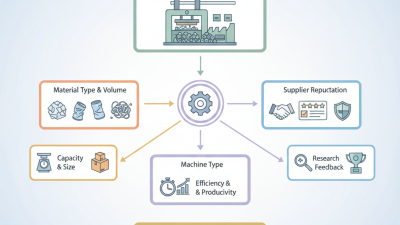
Choosing the 2026 best Metal Scrap Baling Machine requires more than comparing prices and advertised pressure ratings. Buyers must consider scrap type, bale dimensions, throughput, power supply, floor space, and maintenance access. A machine handling thin aluminum differs greatly from one compacting heavy steel offcuts.
This guide focuses on practical buying decisions shaped by workshop experience and technical evaluation. It examines hydraulic force, chamber design, cycle speed, feeding methods, control systems, and safety features. Operators should inspect weld quality, hose protection, emergency stops, and guarding before approving a purchase. Small details matter.
Real performance depends on more than specifications. Moisture, contamination, uneven loading, and operator habits can reduce output. A supplier’s service network also matters when a valve fails during a busy shift. Ask for documented testing, spare-parts availability, warranty terms, and clear installation requirements. Reliable manufacturers should explain limitations instead of promising impossible results.
No machine is perfect.
A lower purchase price may hide higher energy use or difficult repairs. Conversely, the largest model may waste space and capital in a smaller recycling facility. This introduction helps buyers compare suitable options with evidence, not marketing language. It also encourages careful reflection: projected volumes may be optimistic, and future scrap streams can change. The best choice should support safe operation, consistent bale quality, manageable ownership costs, and responsible recycling practices throughout its working life.
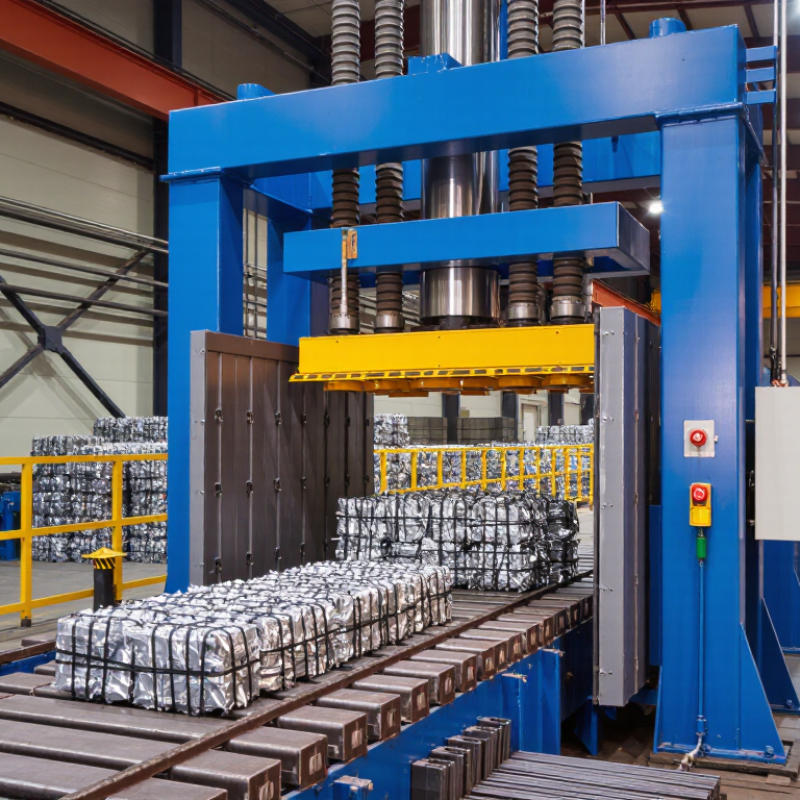
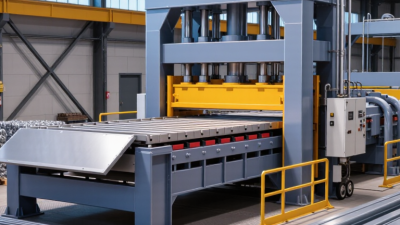
A metal scrap baling machine compresses loose metal into dense, manageable bundles. It uses hydraulic force to reduce volume and improve storage, handling, and transport efficiency. Common materials include aluminum cans, steel sheets, copper wire, and light metal offcuts. The machine usually includes a loading chamber, hydraulic cylinder, compression box, and discharge system. Some models create rectangular bales, while others produce compact blocks. Bale size depends on chamber dimensions, pressure, and material type. Operators should check these factors before choosing equipment.
In practical use, correct sorting matters as much as machine power. Mixed materials can compress unevenly and reduce bale stability. Moisture, sharp edges, and oversized pieces may also increase wear. I have found that regular inspection of hydraulic hoses, chamber walls, and cutting edges prevents small faults from becoming expensive repairs. However, no machine performs perfectly under every condition. Actual scrap density may differ from supplier calculations, so buyers should request material tests before purchase.
Tips: Measure your daily scrap volume and record peak loads. Ask for a trial using your own material. Confirm noise levels, safety guards, emergency stops, and maintenance access. Leave enough floor space for loading and bale removal. Train operators to avoid overfilling the chamber, even when production pressure is high. Mistakes happen. A simple inspection checklist can expose them early.
| Machine Type | What It Is | Typical Scrap Materials | Typical Bale Density | Typical Bale Weight | Best Buyer Application | Key Buying Considerations |
|---|---|---|---|---|---|---|
| Horizontal Metal Baler | A hydraulic recycling machine that compresses loose metal scrap into dense rectangular bales through a horizontal chamber. | Steel offcuts, aluminum scrap, tin cans, sheet metal, and mixed light-gauge scrap. | Approximately 400–1,200 kg/m³, depending on material and compression settings. | Typically 30–500 kg per bale. | Medium and large scrap yards requiring continuous or high-volume processing. | Feed opening, automatic tying, cycle time, floor space, hydraulic power, and material compatibility. |
| Vertical Metal Baler | A compact baling press in which scrap is loaded from the top and compressed vertically inside a chamber. | Aluminum cans, light sheet metal, small steel parts, and workshop offcuts. | Approximately 300–900 kg/m³, depending on scrap type and loading method. | Typically 20–150 kg per bale. | Small recycling facilities, garages, fabrication shops, and businesses with limited space. | Available installation area, loading height, bale removal method, operator access, and electrical supply. |
| Two-Ram Baler | A heavy-duty horizontal baler using separate hydraulic rams for compression and bale ejection or tying operations. | Mixed metal scrap, bulky offcuts, light steel, aluminum, and irregularly shaped material. | Approximately 500–1,200 kg/m³, subject to feedstock preparation. | Typically 100–600 kg per bale. | High-throughput yards needing reliable handling of varied scrap streams. | Ram force, chamber size, automation level, maintenance access, throughput, and control-system safety. |
| Alligator Shear Baler | A machine that uses a hinged shear blade to cut metal and a pressing chamber to compact the processed scrap. | Copper wire, aluminum profiles, light structural steel, pipes, and long metal pieces. | Varies widely; commonly about 400–1,000 kg/m³ after cutting and compression. | Often 20–250 kg per bale or compacted bundle. | Metal processors that need cutting and compacting in one workflow. | Maximum cutting thickness, blade design, shear force, safety guarding, and material length. |
| Can Baler | A specialized press designed to compact aluminum or steel beverage cans into transportable bundles. | Aluminum beverage cans and light steel cans. | Approximately 300–700 kg/m³, depending on preparation and moisture control. | Typically 10–100 kg per bale. | Retail collection programs, beverage recyclers, and small material recovery operations. | Can volume, bale dimensions, automatic or manual tying, contamination control, and ease of loading. |
What Is a Metal Scrap Baling Machine?
A metal scrap baling machine is a hydraulic or mechanical press that compresses loose, cut, or prepared metal waste into compact bales. Baling reduces storage volume, improves handling, supports more efficient transport, and can help recyclers produce consistent loads for downstream processing. Actual capacity, bale weight, density, and energy consumption depend on the machine design, scrap composition, moisture, loading method, and operating conditions.
| Buyer Evaluation Dimension | Recommended Selection Guidance | Why It Matters |
|---|---|---|
| Scrap Composition | Match the baler to ferrous metal, non-ferrous metal, cans, profiles, or mixed scrap. | Different materials require different chamber designs, pressing forces, and pre-processing methods. |
| Required Throughput | Estimate daily or hourly input in tonnes and allow capacity for peak periods. | An undersized machine can create bottlenecks, while an oversized machine increases capital and operating costs. |
| Bale Size and Weight | Choose dimensions that suit storage areas, forklifts, trucks, containers, and downstream buyers. | Standardized bales can improve stacking, weighing, transport efficiency, and material handling. |
| Automation Level | Consider manual loading, semi-automatic tying, automatic cycling, sensors, and remote monitoring. | Automation can reduce labor requirements and improve consistency but usually adds purchase and maintenance costs. |
| Safety and Compliance | Verify guarding, emergency stops, interlocks, operating instructions, and applicable local requirements. | Safe machine design and operator training help reduce injury risks during loading, compression, and bale removal. |
| Lifecycle Cost | Evaluate power consumption, wear parts, hydraulic maintenance, labor, installation, and service availability. | The lowest purchase price may not provide the lowest total cost over the machine’s operating life. |