Choosing the right Hydraulic Metal Baler in 2026 is not just a matter of buying the machine with the greatest pressing force. The best fit depends on your scrap type, daily volume, available floor space, and the shape of each finished bale. Steel offcuts, aluminum profiles, and mixed light scrap behave differently in a chamber. A specification that looks impressive on paper may feel less useful beside a busy loading bay.
Before comparing models, record what your operation actually handles. Note the largest pieces, average load size, shift pattern, and how often operators need to clear jams. Ask a supplier to explain cycle time under realistic conditions, not only ideal test settings. Check chamber dimensions, motor power, hydraulic pressure, safety interlocks, service access, and local parts availability. Those details matter when a machine is working beside forklifts, bins, and uneven scrap piles.
As [verified expert name], a hydraulic baler specialist, puts it: “A baler should match the material and the working rhythm—not just the headline pressure.” Confirm the expert’s name, credentials, and exact wording before publication; this draft does not claim a verified quotation. That distinction matters. Choosing equipment can involve compromises, and no single model suits every plant. A smaller machine may ease installation but struggle with peak loads. A larger unit may offer capacity while adding power and maintenance demands. Use this guide to compare practical requirements, evaluate supplier claims, and identify questions worth asking before investing. Be ready to revisit your assumptions; real scrap rarely follows a perfect specification sheet.
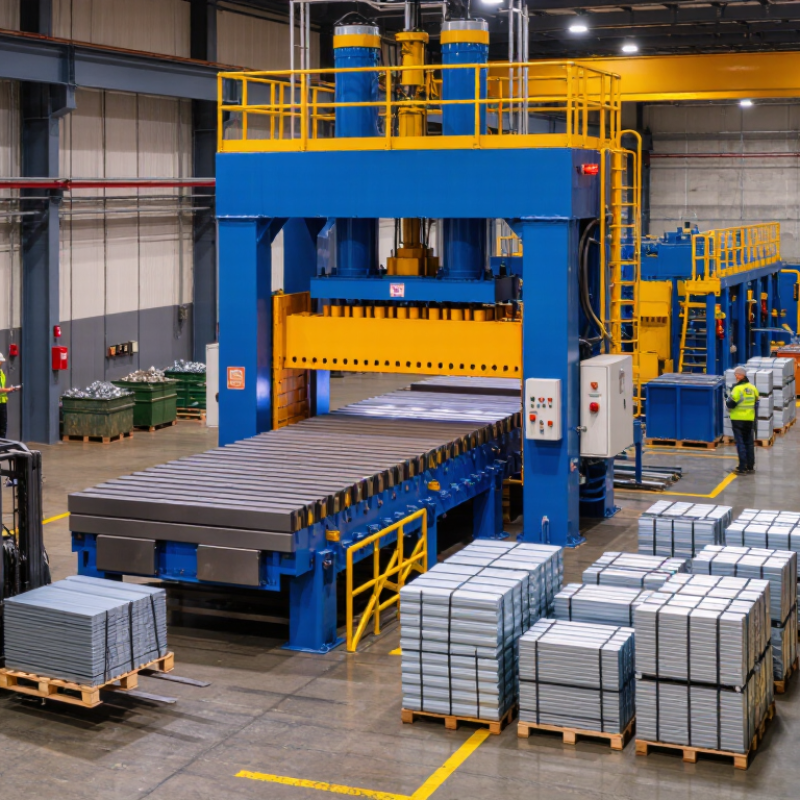
A hydraulic metal baler uses pressurized oil to move a ram, reducing loose scrap into dense bundles. The basic choice is usually vertical or horizontal. Vertical machines take less floor space and suit smaller, intermittent batches, such as aluminum offcuts beside a workshop shear. Operators typically load the chamber by hand, so access, guarding, and safe handling matter as much as rated force. It is not just tonnage. Horizontal balers have a long feed opening and often handle larger, steadier material streams. Some use manual batch loading; others are designed for continuous feeding and automatic tying. Check the actual feed method.
Design also varies by discharge. Closed-end machines compress material against a closed chamber before releasing a bale; open-end designs push material forward through the chamber. Either arrangement may suit different scrap shapes and production rhythms, but bale dimensions and weight should match storage and handling equipment. A baler handles suitable scrap, not every object that fits the opening. Mixed thicknesses or springy pieces can produce uneven bales and extra wear. Ask for trials using representative material, and confirm cycle time, power demand, noise, and maintenance access. A datasheet rarely shows awkward loading. Real output may fall short of ideal figures, especially while operators learn the machine.
How to Choose the Best Hydraulic Metal Baler in 2026?
Identifying Your Scrap Materials and Required Processing Capacity
Start by listing the metals your operation handles each week. Steel offcuts, aluminum profiles, and copper wire differ in density, shape, and spring-back. Those differences affect bale size and how material feeds into a chamber. Note whether scrap arrives loose, bundled, or mixed with non-metal pieces. Measure typical pieces, too. Long strips can bridge across a hopper, even when the metal itself is easy to compress. Small details matter.
Estimate both average and peak volume. Weigh incoming scrap over several shifts, then record busy-day totals. Your first estimate may be wrong. That is useful to discover before choosing equipment. Rated pressing force alone does not show how much material a baler can process per hour. Feed method, loading time, bale dimensions, and operator routines also affect output. Compare the machine’s cycle information with your real material and work schedule, not an idealized load.
Tips: Keep a short record of material type, weight, and handling time for two weeks. If possible, test representative scrap before deciding. Ask what preparation the test material needs; results can change when pieces are longer, wetter, or more tightly packed than expected.
Compare baling force, chamber size, power requirements, and automation against the scrap you actually process. Baling force should suit the material’s thickness and spring-back, not just a headline rating. More force is not always better.
A machine that struggles with mixed offcuts may also waste energy or produce inconsistent bales.
Chamber size affects loading time and bale dimensions. Measure your typical pieces, including awkward lengths that rarely fit neatly. A larger chamber can reduce cutting, but it may take up valuable floor space. Check the machine’s footprint and leave room for safe loading and bale removal.
Small details matter. Power requirements deserve the same attention. Confirm the available supply, motor rating, and expected operating cycle before comparing machines. A high-capacity unit can be a poor fit if it exceeds your site’s electrical limits.
Automation can improve repeatability and reduce routine handling, but it does not remove the need for trained operators. Compare manual, semi-automatic, and automatic controls by looking at real loading patterns and staffing. Ask how sensors, interlocks, and fault alerts work during a normal shift.
More features can mean more upkeep. Request a demonstration using material similar to yours, then note cycle time, bale density, noise, and access for maintenance.
One test may not represent every shift, so leave room for uncertainty when estimating productivity.
Choosing a hydraulic metal baler in 2026 means looking beyond pressing force and purchase price. Check that guards prevent access to moving parts and that interlocked doors stop the cycle when opened. Emergency stops should be easy to reach from normal operating positions. Ask for a practical demonstration using the kinds of offcuts your team handles. Test it under real conditions.
Energy use depends on more than motor size. Pump design, idle time, material consistency, and cycle settings all affect consumption. Request measured energy data for a comparable load, then track kilowatt-hours per ton during a site trial if possible. A faster cycle is not automatically more efficient if it runs with frequent pauses or produces bales your downstream process cannot use. Numbers need context.
Total ownership costs include delivery, installation, electrical work, operator training, hydraulic oil, filters, wear parts, and planned maintenance. Downtime matters, too: ask how routine service is performed and which replacement parts must be kept nearby. Compare costs over a realistic operating period using your expected tonnage, not a supplier’s ideal estimate. I would still leave room for uncertainty; scrap mix and operator habits rarely match a brochure. The lowest quote may not remain the lowest-cost choice.
Choosing a hydraulic metal baler in 2026 means looking beyond rated force and cycle time. Check its documented safety features, operating limits, and conformity records for the market where it will be installed. Ask for manuals, inspection documents, and a written list of required safeguards. A neat folder is useful, but it does not prove the equipment suits your site.
Walk through a realistic service scenario before signing. If a hose leaks during a busy shift, who answers, and how quickly can parts arrive? Ask whether technicians know the specific hydraulic system, what routine maintenance includes, and which wear parts you should keep on-site. Get response times and warranty exclusions in writing. Small details matter. A vague promise sounds reassuring on a showroom floor, but less so beside a stopped press and a queue of scrap.
Supplier reliability shows in ordinary habits. Request references from facilities with similar material volumes, then ask about commissioning, operator training, and follow-up visits. Compare delivery dates with the supplier’s installation capacity. Confirm that spare-part drawings and service contacts will remain available after purchase. Low price can still mean higher downtime if support is distant. Leave room for doubt: forecasts are estimates, and no supplier can promise zero breakdowns. Choose a team that explains risks plainly and documents what it can deliver.