Discover the Best Non Ferrous Baler Options for Global Buyers
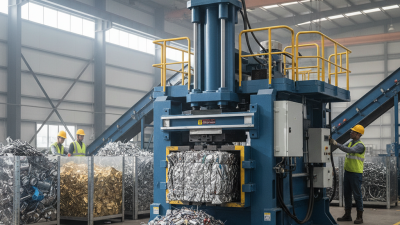
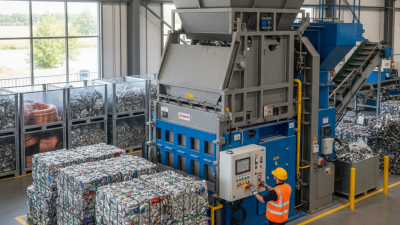
The global scrap recycling industry is rapidly evolving, driven by increasing demand for recyclable materials. According to a recent market analysis by Smithers Pira, the non-ferrous metal recycling market is projected to exceed $50 billion by 2025. Within this sector, the role of the Non Ferrous Baler is crucial. These machines compact non-ferrous metals like aluminum and copper, making transportation and processing more efficient.
However, selecting the best Non Ferrous Baler is not straightforward. Various models exist, each with unique features suited to different operational needs. Data from Recycling Today indicates that productivity rates and energy efficiency are critical factors for buyers. Yet, many operators overlook these aspects, leading to costly inefficiencies. The challenge lies in balancing initial investment against long-term savings.
Furthermore, while there are indeed top-tier manufacturers providing reliable balers, not all models perform at peak efficiency. User reviews often reveal inconsistencies in machine reliability, prompting reflection on the importance of thorough research before purchase. As global buyers continue to seek sustainable solutions, understanding the nuances of Non Ferrous Balers becomes imperative for a successful investment.
Understanding Non-Ferrous Balers: Key Features and Benefits
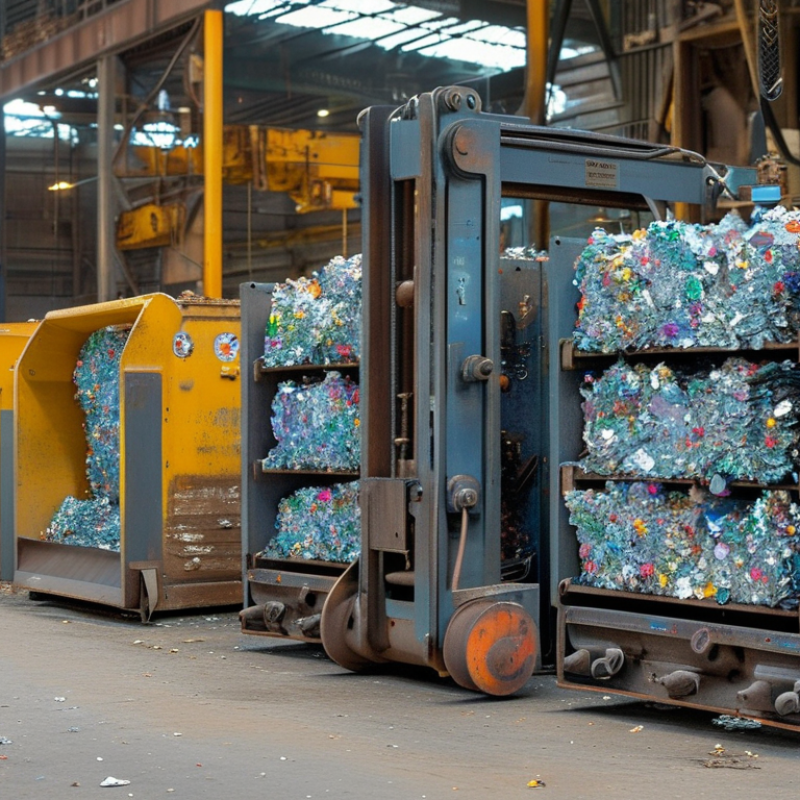
Exploring non-ferrous balers offers insights into essential features that enhance recycling processes. These machines handle a variety of non-ferrous materials such as aluminum, copper, and brass. Understanding their operation can significantly impact efficiency in processing recyclable metals. With varying sizes and capacities, buyers must assess which baler suits their specific needs.
Key benefits of non-ferrous balers include increased output and reduced labor costs. A well-designed baler compresses materials efficiently, allowing for optimized space during transport. However, choosing the right baler can be challenging, as features may vary widely. Buyers often find it essential to weigh performance against investment costs, ensuring a balance between quality and budget.
Consider the importance of maintenance in extending the life of non-ferrous balers. Regular inspections can prevent unexpected breakdowns. Yet, many overlook this aspect. A lack of proper upkeep could lead to increased operational costs. Engaging with industry specialists may provide further guidance. Connecting with experienced operators can enhance understanding of real-world performance and challenges.
Discover the Best Non Ferrous Baler Options for Global Buyers
| Model |
Bale Size (inches) |
Production Rate (ton/hour) |
Power Requirement (HP) |
Weight (lbs) |
Key Features |
| Model A |
30 x 48 |
3 |
40 |
2000 |
Automatic, High Efficiency |
| Model B |
36 x 48 |
4 |
50 |
2200 |
Compact, User-Friendly |
| Model C |
48 x 60 |
5 |
60 |
3000 |
High Capacity, Energy Efficient |
| Model D |
24 x 36 |
2 |
30 |
1500 |
Portable, Cost-Effective |
Types of Non-Ferrous Balers Available in the Global Market
When exploring non-ferrous balers, it's essential to understand the various types available in the global market. Horizontal balers are popular choices, often used for baling materials like aluminum and copper. Their design enhances efficiency, allowing for large volumes to be processed quickly.
Vertical balers offer another option. These machines are ideal for smaller operations. They occupy less space and provide adequate compaction for non-ferrous materials. Industries that generate minimal waste benefit greatly from vertical balers due to their compact size and ease of use.
However, one should reflect on their specific needs before selecting a baler. Not every machine suits every situation. For example, larger businesses might require horizontal balers for higher output. Others may find vertical balers adequate. Investment in the right equipment can lead to significant efficiency gains.
Top Manufacturers of Non-Ferrous Balers: A Comparative Analysis
When selecting a non-ferrous baler, global buyers must evaluate various manufacturers. The market is burgeoning, with a projected growth rate of 4.5% annually. Key aspects include build quality, efficiency, and compatibility with diverse materials.
Manufacturers are adopting advanced technology to enhance baler performance. Reports indicate that energy-efficient designs can reduce operational costs by over 30%. Buyers should consider not just the upfront cost, but the long-term savings due to lower energy consumption. Data from industry studies highlight that nearly 70% of balers in use today prioritize sustainability.
Additionally, operators often overlook maintenance needs. Regular upkeep is crucial for maximizing longevity and efficiency. Some balers come with user-friendly interfaces that simplify troubleshooting. However, others might pose challenges, particularly for inexperienced users. This discrepancy in usability can impact a buyer's choice significantly.
Investing in a baler requires careful consideration of these factors. Budget constraints are common, yet choosing a cost-effective solution should not compromise performance. A meaningful analysis of available options helps ensure buyers make informed decisions.
Factors to Consider When Choosing a Non-Ferrous Baler
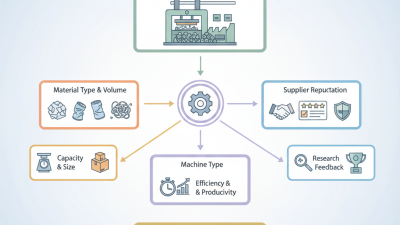
Choosing a non-ferrous baler is essential for effective waste management. Buyers should consider several factors.
The size and capacity of the baler play a crucial role. Smaller operations may need compact models, while larger facilities require heavy-duty machines. The material types processed also matter. Different balers specialize in aluminum, copper, or plastic, impacting efficiency.
Maintenance is another key aspect. Maintainability can vary significantly. Some models allow easy access for repairs, while others may pose challenges. Knowing the maintenance requirements beforehand can save time and unexpected costs.
Operator training is vital. Proper training can enhance performance and ensure safety.
When evaluating non-ferrous balers, consider energy consumption. An efficient baler will lower operational costs. Check the power needs and choose a model that fits your energy capabilities. It’s also wise to review the warranty and service offerings. A strong warranty indicates a manufacturer’s confidence in their product.
Buyers should thoroughly research available options. Reading reviews can provide insights into real-world performance. However, not all reviews are unbiased. Look for consensus among experienced users. This can help avoid poor choices that lead to regret. Always weigh the initial investment against long-term benefits. Balers are significant purchases that impact business operations for years.
Global Trends and Innovations in Non-Ferrous Baler Technology
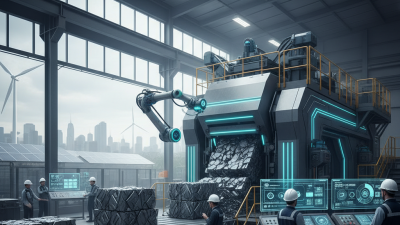
The landscape of non-ferrous baler technology is rapidly evolving, driven by sustainability and efficiency. Recent trends highlight a shift towards automation. Machines are now equipped with advanced sensors and software. These innovations enhance performance and reduce manpower.
Energy efficiency remains a top priority. Modern non-ferrous balers consume less power while maximizing output. This is crucial for manufacturers aiming to lower operational costs. Moreover, the integration of IoT technology allows for real-time monitoring. Operators can track performance metrics and make adjustments on-the-fly.
Despite these advancements, challenges persist. Some users report difficulties in maintenance and servicing. Availability of spare parts can be an issue in certain regions. Additionally, as technology advances, training becomes essential. Users must adapt to new systems to fully leverage benefits. Balancing innovation with practicality remains a key focus for companies in this sector.
Global Trends in Non-Ferrous Baler Technology