2026 How to Choose the Best Scrap Metal Shear for Your Needs?
In the scrap metal industry, the right equipment is crucial for efficiency. Choosing a suitable Scrap Metal Shear can greatly impact productivity and profit margins. According to a report by the Institute of Scrap Recycling Industries (ISRI), the demand for high-quality scrap metal processing tools has surged by 25% over the past three years. This trend highlights the increasing importance of selecting the right machinery.
Expert John Smith, a leading figure in metal recycling technology, states, "Investing in a high-performance Scrap Metal Shear can transform your operation." His words resonate with many in the industry who understand the complexities involved in metal processing.
As more companies recognize the benefits of modern shears, the challenge remains to identify the best fit for individual needs. There is no one-size-fits-all solution. The variety of models and features can be overwhelming, leaving many operators uncertain about their choice. Understanding how to select the ideal Scrap Metal Shear is essential for success.
Understanding Different Types of Scrap Metal Shears: Hydraulic vs. Mechanical
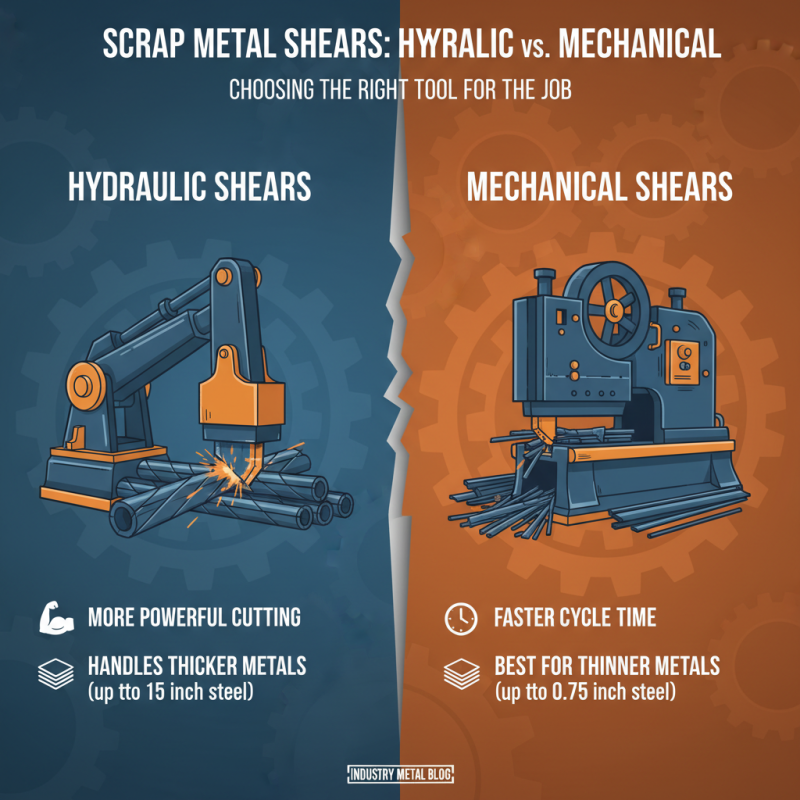
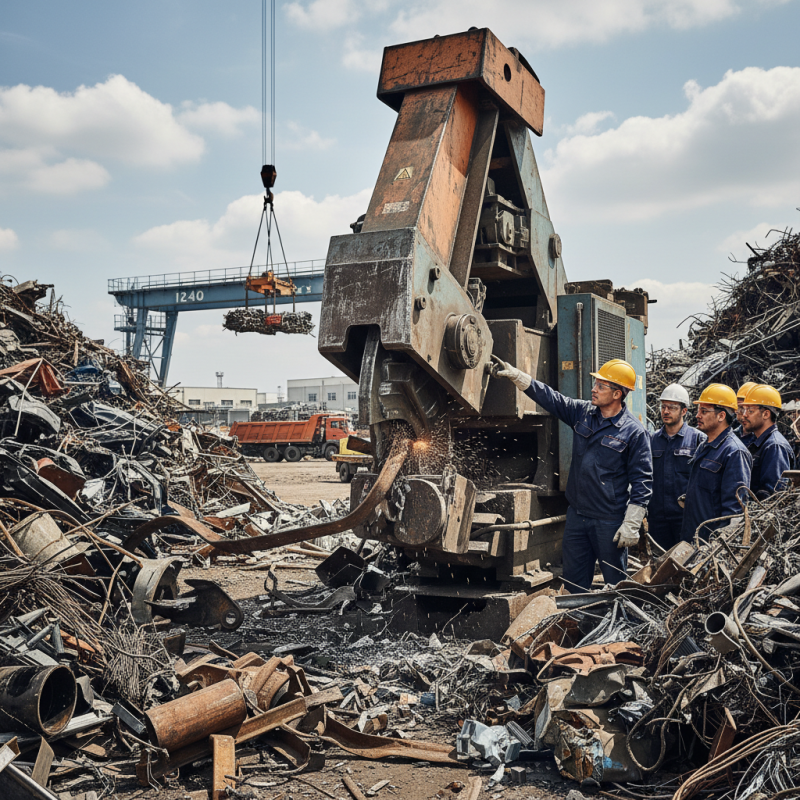
When choosing a scrap metal shear, understanding the difference between hydraulic and mechanical shears is crucial. Hydraulic models typically offer greater cutting power. They can handle thicker materials, making them a popular choice in the industry. Reports suggest that hydraulic shears can cut up to 1 inch of steel, whereas mechanical shears often max out around 0.75 inches. This difference can significantly impact efficiency in heavy operations.
Mechanical shears, however, present unique advantages. They are often lighter and easier to maintain. Their simpler design can lead to less downtime. A study indicated that maintenance costs for mechanical shears can be 30% lower than for hydraulic models. Nevertheless, operators must consider that hydraulic systems require regular checks for leaks. This can sometimes be a burden in busy environments.
Both types have their drawbacks. Hydraulic shears can be expensive, both in purchase and upkeep. Mechanical shears, while easier to operate, might lack the needed power for major jobs. It’s essential to assess specific operational needs carefully. Reflecting on workflow and material types is key to making a knowledgeable decision. Each shear type has its place, but the right one is based on individual requirements and operational goals.
Factors to Consider When Selecting a Scrap Metal Shear for Your Applications
When selecting a scrap metal shear, several crucial factors come into play. The shear's capacity is among the top considerations. Shears can vary significantly, with capacities typically ranging from 10 to 100 tons. Choosing the right capacity ensures that your shear can handle the thickness of metal you work with. A study by Recycling Today indicates that choosing the right capacity can improve efficiency by up to 30%.
Cutting speed is another important element. Some shears can operate at speeds exceeding 200 cuts per minute. This rapid operation can boost productivity, especially in high-volume environments. However, a balance must be struck. Faster isn't always better; durability can suffer with higher speeds. A more cautious pace may lead to longer tool life and lower maintenance costs.
Additionally, the shear's design influences ease of operation. Ergonomic features, like adjustable arms and intuitive controls, can reduce operator fatigue. This has a direct impact on safety and efficiency. The National Institute for Occupational Safety and Health emphasizes that safer equipment can significantly reduce workplace injuries. Investing in ergonomic solutions might pay off in the long run, even if initial costs are higher. Choosing poorly designed tools can lead to frustration and inefficiencies that hinder your operations.
Assessing Production Capacity and Specifications of Scrap Metal Shears
When selecting a scrap metal shear, production capacity and specifications are crucial. Identifying the right shear can significantly impact operational efficiency. Many operations report that productivity can increase by up to 30% with proper equipment. It’s vital to assess the shear's tonnage rating, as this determines the thickness of the materials you can process. A common metric is that shear models rated above 100 tons can cut through metals ranging from 3/16 to 1 inch in thickness.
Moreover, consider the machine's cutting speed and cycle time. Some high-performance shears can cut through metal at a speed of 30 inches per minute. This speed enhances productivity, but it must align with your operational needs. Data suggests that companies prioritizing faster cutting capabilities can realize quicker turnaround times, thus reducing costs. However, blindly prioritizing speed may lead to premature wear of blades, raising maintenance costs.
Operation also hinges on user safety and ease of handling. Ergonomic designs minimize strain, making it easier to operate throughout the day. Heavy equipment often results in accidents if not managed properly. According to statistics, nearly 20% of workplace injuries in metal processing could stem from equipment mishandling. Choosing a shear that balances productivity with user safety is vital for long-term success and employee well-being.
2026 How to Choose the Best Scrap Metal Shear for Your Needs?
| Model |
Cutting Capacity (inches) |
Motor Power (HP) |
Weight (lbs) |
Dimensions (L x W x H, inches) |
Price Range ($) |
| Model A |
24 |
10 |
1500 |
60 x 30 x 40 |
2000 - 2500 |
| Model B |
36 |
15 |
2200 |
78 x 36 x 50 |
3000 - 3500 |
| Model C |
48 |
20 |
2800 |
90 x 40 x 60 |
4000 - 4500 |
| Model D |
60 |
25 |
3500 |
102 x 50 x 75 |
5000 - 6000 |
Evaluating Safety Features and Compliance Standards in Scrap Metal Shears
When choosing a scrap metal shear, safety features are paramount. Look for shears equipped with blade guards. These guards prevent accidental cuts during operation. A well-designed machine minimizes risks significantly. Additionally, consider the presence of emergency stop buttons. Quick access to stop functions can save lives and prevent injuries.
Compliance standards are essential in evaluating shear options. Familiarize yourself with regulations specific to your region. These regulations ensure the machinery operates within safe parameters. Compliance indicates that a product has undergone rigorous testing. Choosing compliant equipment means reducing the likelihood of accidents.
Regular maintenance and inspections are vital for safety. Even the best shears can wear down over time. Inspecting blades and safety features keeps the equipment reliable. Operators should be trained in safe usage methods. Knowledgeable operators can identify potential hazards. This awareness is crucial in maintaining a safe working environment.
2026 Scrap Metal Shears Safety Features Evaluation