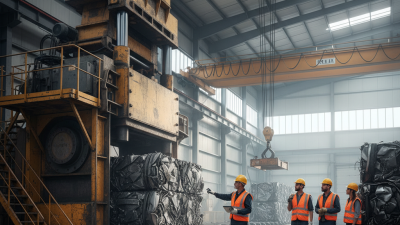
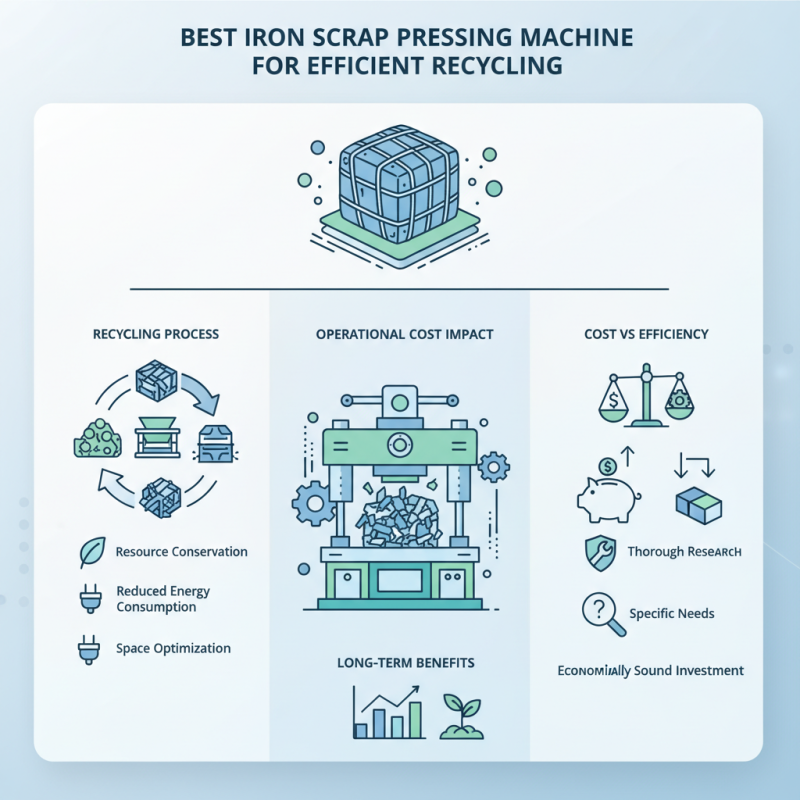
In the world of recycling, the Iron Scrap Pressing Machine plays a critical role. This machine enhances the efficiency of recycling processes, turning scrap metal into manageable bales. Recycling metal not only conserves resources but also reduces energy consumption.
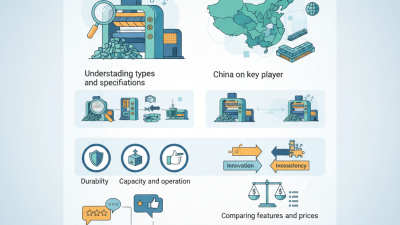
Using the right pressing machine can significantly impact operational costs. However, not all machines are created equal. Some may lack the durability needed for heavy-duty use. Others might not optimize space effectively, leading to inefficiencies in storage and transport. It's vital to choose a reliable Iron Scrap Pressing Machine that meets your specific needs.
Investing in a quality machine can yield long-term benefits. Yet, pricing and maintenance are also crucial considerations. Prospective buyers should conduct thorough research. It is essential to find a balance between cost and efficiency. This ensures that the investment is both practical and economically sound for recycling businesses.
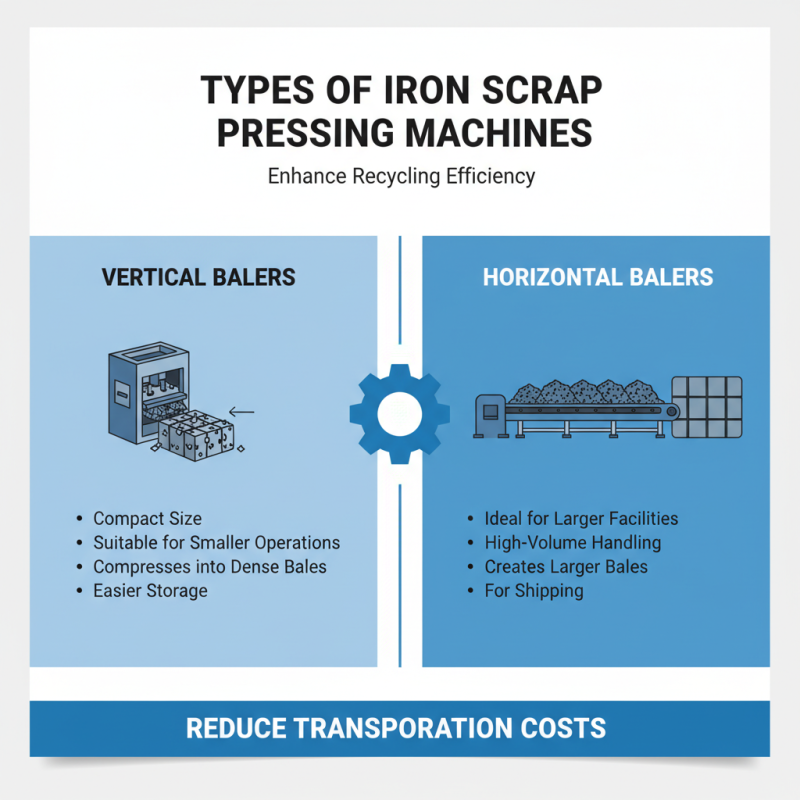
When it comes to iron scrap pressing machines, the options vary widely. Understanding these types can enhance recycling efficiency. Vertical balers are compact and suitable for smaller operations. They compress scrap into dense bales, making storage easier. Horizontal balers are ideal for larger facilities. They handle a high volume of scrap, creating larger bales for shipping. Both types help reduce transportation costs.
Another popular choice is the shear baler. This machine not only compresses but also cuts scrap into manageable pieces. It is effective for heavy-duty operations. Foil balers are tailored for lightweight materials. They optimize space and streamline processing. Furthermore, there are mobile balers designed for on-site operations, allowing flexibility in scrap handling.
Each type has its strengths and weaknesses. Some might struggle with certain scrap materials. Maintenance can also become an issue over time. Proper training on machine operations is crucial. Without it, efficiency drops significantly. Assessing specific needs before selecting a machine is vital. The right choice leads to better recycling outcomes.
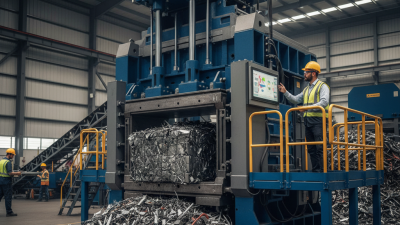
When selecting a scrap pressing machine, focus on essential features. The machine's capacity is crucial. It should handle the volume of scrap you typically process. Consider the materials you will press. Different machines cater to various types of metals. A versatile machine enhances recycling efficiency.
Operating speed matters too. Faster machines improve productivity but may require skilled operators. Think about the machine's energy consumption. Efficient models save costs in the long run. Maintenance ease is another factor. Machines that are hard to repair can lead to downtime and losses.
**Tips:** Evaluate your specific needs before purchasing. Examine user reviews for insights. Don't overlook safety features; they protect operators. Reflect on how often you will use the machine. An overbuilt model might be unnecessary for low-volume operations. Think critically about your requirements to make the best choice.
| Machine Type | Pressing Force (tons) | Bale Size (mm) | Cycle Time (min) | Weight (kg) | Power (kW) |
|---|---|---|---|---|---|
| Hydraulic Press | 60 | 600 x 400 | 2 | 1200 | 15 |
| Mechanical Press | 80 | 800 x 500 | 1.5 | 1500 | 20 |
| Vertical Baler | 50 | 700 x 300 | 3 | 800 | 10 |
| Horizontal Baler | 100 | 1200 x 800 | 2.5 | 2000 | 25 |
Iron scrap pressing machines play a crucial role in recycling operations. Their efficiency in compressing scrap metal significantly enhances the overall recycling process. According to industry reports, recycling metal can save up to 74% of energy compared to producing new metal from raw resources. This not only reduces greenhouse gas emissions but also conserves natural resources.
Using an iron scrap pressing machine optimizes space and improves transportation costs. Compressed iron scrap takes up less volume, allowing for more effective shipping. This results in a direct cost reduction in logistics. Additionally, the compacted scrap is more manageable for handling and storage at recycling facilities. The International Journal of Recycling of Organic Waste in Agriculture states that advanced pressing technology can increase recycling rates by up to 30%.
Tip: Regular maintenance of pressing machines ensures optimal performance and longevity. Check hydraulic systems and replace worn parts as needed.
Efficient recycling practices using iron scrap pressing machines create a more sustainable future. They help in utilizing scrap metals that otherwise lie waste. However, it's essential to note that some challenges exist, including the need for skilled operators and potential initial costs. Addressing these issues effectively can lead to greater benefits in the long term.
Maintaining a scrap pressing machine is crucial for efficient recycling. Regular inspections can identify wear and tear early. Operators should clean the machine weekly. Removing debris and dust keeps the equipment functioning optimally. Lubrication is essential, as it reduces friction and enhances performance. Using the right oil will prolong the machine’s lifespan.
Another important aspect is monitoring hydraulic fluid levels. Insufficient fluid can lead to operational failures. Check seals and hoses for leaks regularly. These small issues could escalate if neglected. Operators should also receive proper training on the machine. Understanding functionality leads to better performance and safety.
Finally, replacing worn parts promptly can prevent bigger problems. Keep a log of maintenance activities. Regular documentation ensures accountability. It might seem tedious, but it pays off in the long run. Each machine will have its quirks, and adapting to those is part of mastering the craft. Embrace continuous learning and improvement for best results.
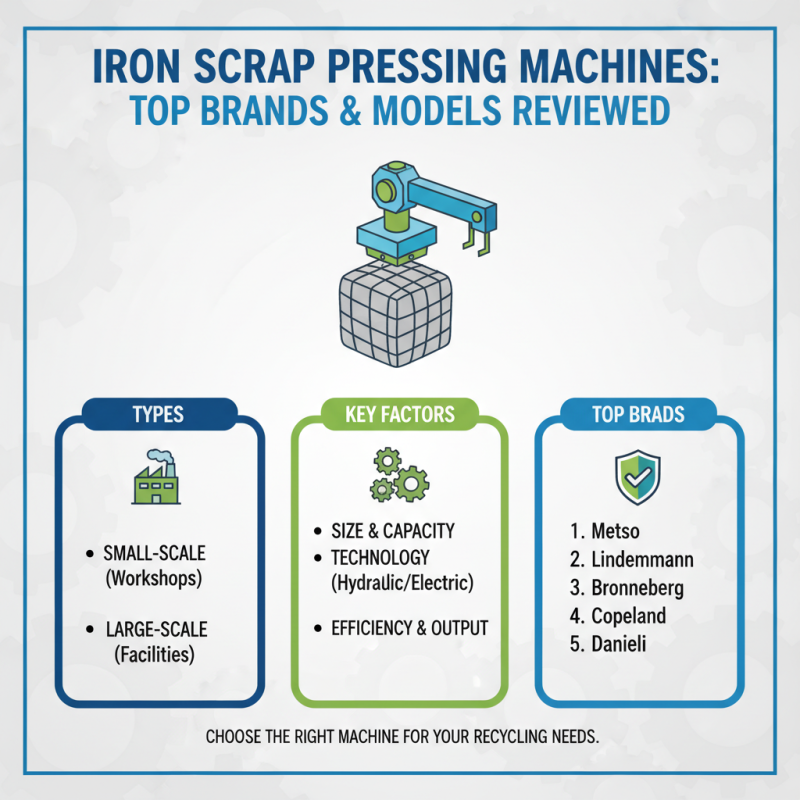
When it comes to iron scrap pressing machines, the market offers various options tailored to specific recycling needs. These machines vary in size, capacity, and technology. Some models are designed for small operations, while others cater to large-scale recycling facilities. Finding the right machine can make a significant difference in efficiency and output.
Several brands stand out for their reliability and performance. They specialize in designing machines that can handle heavy loads while ensuring durability. Users often appreciate features like adjustable pressure settings, which allow for flexibility during operation. Compact designs are also a plus for facilities with limited space. However, not every pressing machine suits every facility's unique needs.
Choosing a model requires careful consideration. It's crucial to evaluate the technical specifications and operational requirements. Many users report that maintenance can be an ongoing challenge. Therefore, understanding after-sales support is essential. Price points vary widely, and investing more upfront may yield greater benefits. Being informed and considering user reviews can lead to better choices.