Top Ferrous Baler Options for Global Buyers in 2026
In the evolving world of recycling, the ferrous baler industry faces new challenges and opportunities. Experts predict significant changes by 2026. John Smith, a renowned authority in the ferrous baler sector, has stated, "Innovative designs will shape the future of recycling." This highlights the importance of adapting to market demands.
With a growing focus on sustainability, buyers are looking for advanced solutions. Companies need reliable ferrous balers to improve efficiency. The right equipment can boost productivity and reduce costs in metal recycling. However, selecting the best option remains a challenge for many.
As the industry progresses, it is crucial to consider several factors. Features such as durability, power, and ease of use are vital. Potential buyers must think carefully about their specific needs. The landscape is changing rapidly. Reflecting on these elements can lead to better decision-making. The search for the ideal ferrous baler continues.
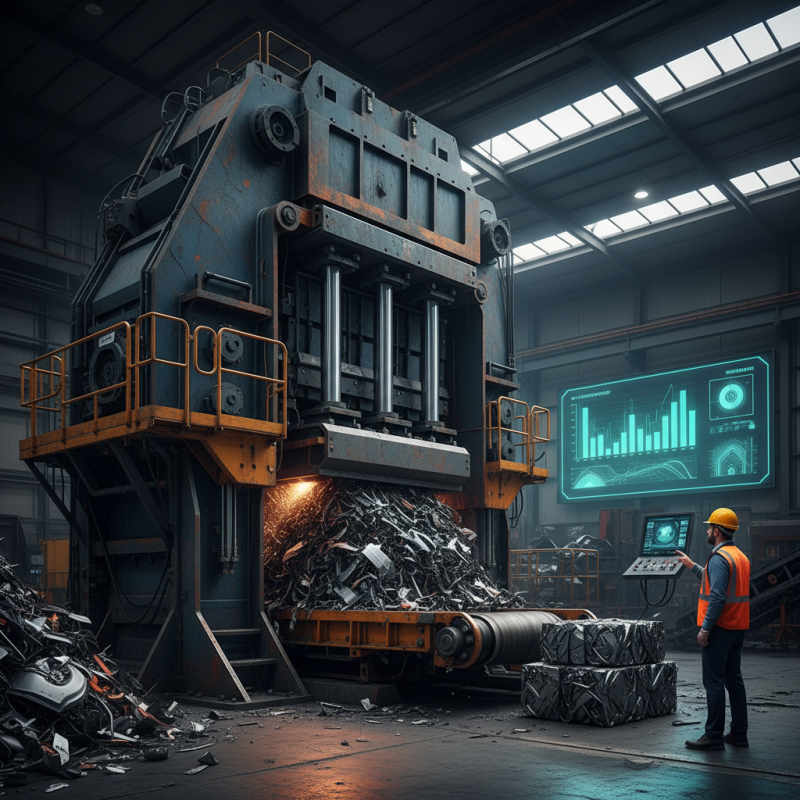
Overview of Ferrous Baler Technology and Market Trends in 2026
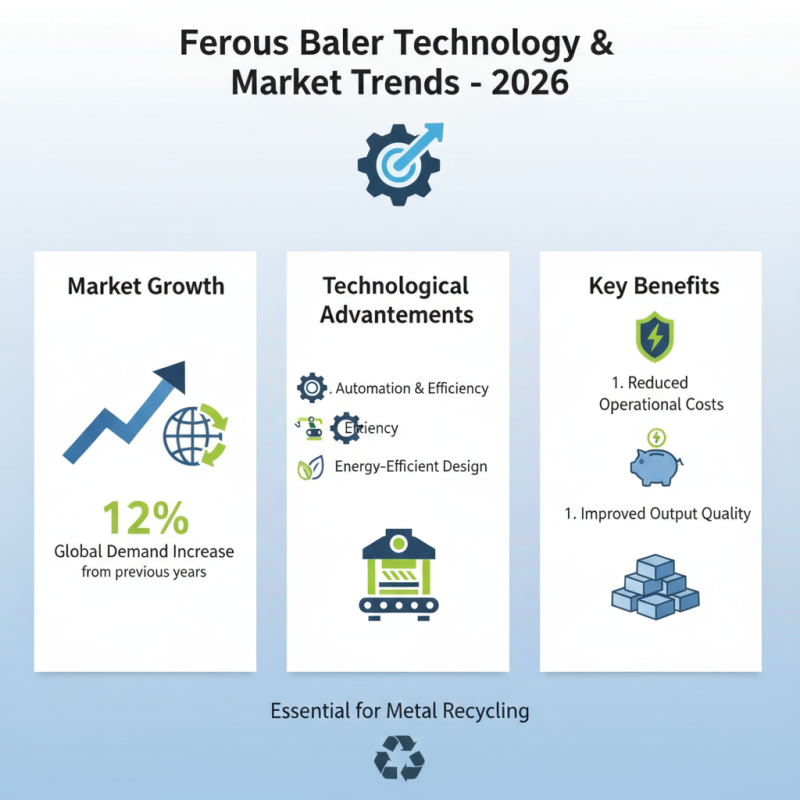
The ferrous baler market is evolving rapidly, driven by technological advancements. In 2026, the global demand for ferrous balers is projected to reach 12% growth from previous years. These machines are essential for recycling ferrous materials, enabling efficient processing. Reports highlight the importance of automation and energy efficiency in modern balers. Such features not only reduce operational costs but also improve output quality.
According to a recent industry analysis, the adoption of plunger and shear balers is on the rise. These systems enhance recycling processes and save valuable resources. However, the market faces challenges. Aging equipment and regulatory compliance continue to pressure manufacturers. Industry experts emphasize the need for regular equipment upgrades and workforce training. Addressing these issues is vital for ensuring long-term sustainability within the recycling sector.
Data from the Recycling Industries Association indicates that ferrous metals account for more than 60% of total recycling revenue. The increasing focus on sustainability drives innovations in baler technology. Buyers should consider not only capacity but also energy consumption and maintenance needs when choosing equipment. Balers that offer remote monitoring and diagnostics are becoming more popular, reflecting the industry's shift towards smart manufacturing practices.
Key Global Players in the Ferrous Baler Industry and Their Market Share
The ferrous baler industry is rapidly evolving, with several key players shaping the market landscape. These companies have established a significant presence, indicating their strong influence and authority in the sector. Market share reflects their capabilities. Certain companies focus on innovation, while others prioritize sustainability. This divergence highlights the industry's diverse strategies.
Regional variations play a crucial role in market dynamics. In some areas, local players have gained traction, creating competition with global giants. This competition drives technological advancements. However, not all manufacturers keep pace. Some struggle with adapting to new environmental regulations or consumer demands. Industry observers note this disconnect as a potential risk for those brands.
Understanding market share offers insights into consumer preferences and industry trends. Engaging with reports and analyses can reveal shifts within specific regions. Buyers should consider these nuances when making decisions. Additionally, as the industry matures, identifying emerging players will be key. The future promises growth, but challenges remain. Adaptability and foresight are vital attributes for success in this landscape.
Performance Metrics: Efficiency and Production Capacity of Ferrous Balers
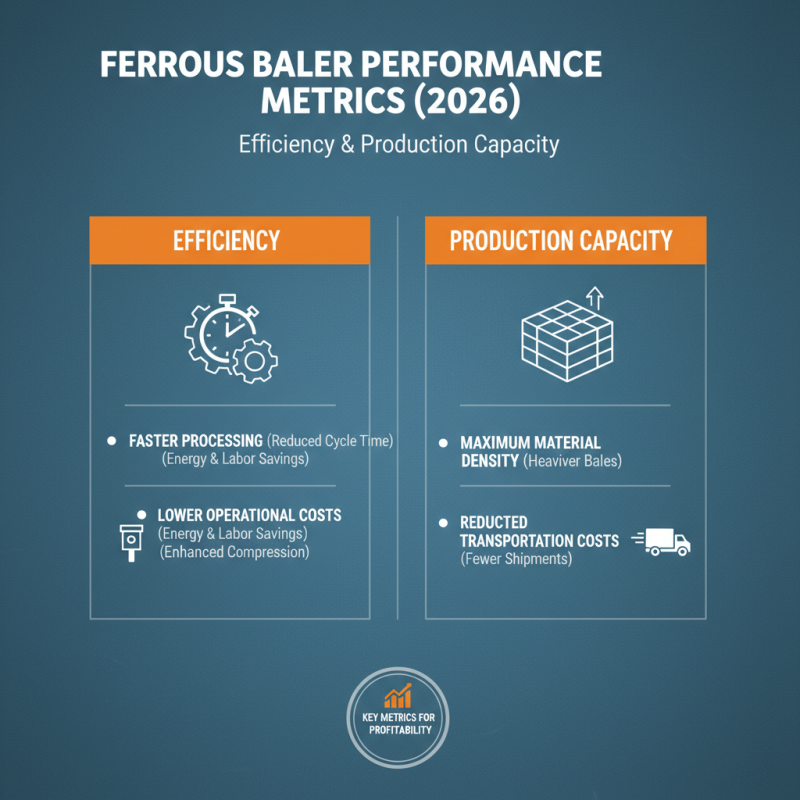
When evaluating ferrous balers in 2026, efficiency stands out as a key performance metric. High efficiency translates into faster processing times and reduced operational costs. Many models now integrate advanced hydraulic systems to enhance compression force. This is crucial for maximizing material density in bales, which can significantly lower transportation costs.
Production capacity also plays a vital role in choosing the right baler. Buyers should consider models that can handle varying loads without compromising performance. A flexible design can adapt to different materials, making the baler versatile. However, it's essential to recognize that higher capacity machines can take up more space. Small operations might find this cumbersome.
Maintenance is another aspect to ponder. Some balers require frequent servicing to maintain high efficiency. This can disrupt production flow, leading to downtime. A careful balance between efficiency, capacity, and maintenance needs is crucial for decision-making. Investing in a baler is a step that shouldn’t be taken lightly.
Emerging Innovations in Ferrous Baler Designs and Features for 2026
In 2026, ferrous baler technology is set to evolve significantly. Innovations will focus on improving efficiency and reducing environmental impact. Advanced sensing technology can optimize the baling process. This may help to minimize energy consumption. Smart systems could allow for real-time monitoring of performance data.
Design enhancements will also prioritize user-friendliness. Operators may find new interfaces that simplify complex tasks. Automated features could reduce the need for manual oversight, which raises concerns about dependency on technology. While these advancements seem promising, the balance between automation and human oversight is crucial.
Moreover, safety features will gain emphasis in 2026. Enhanced protective designs will aim to safeguard workers during operation. However, it remains essential to address potential risks associated with automated systems. Continuous feedback from industry experts can guide these developments. Embracing innovation while reflecting on its challenges will lead to a more resilient future in ferrous recycling.
Sustainability Considerations: Environmental Impact of Ferrous Balers
As the global focus on sustainability intensifies, the role of ferrous balers becomes increasingly significant. These machines compress metal scrap into manageable bales, optimizing space and enhancing recycling efficiency. By maximizing metal recovery, they reduce the need for virgin materials. This shift is crucial for limiting environmental degradation and conserving resources.
However, the environmental impact of ferrous balers goes beyond efficiency. The manufacturing process of these machines can have substantial carbon footprints. Many balers are made from metals that require energy-intensive processes to produce. Additionally, improper maintenance may lead to inefficiencies that cancel out potential benefits. Buyers need to consider both the energy use during operation and the environmental cost of production.
It's essential to strike a balance. Exploring innovative designs that utilize sustainable materials can mitigate some negative impacts. Investing in advanced technology could lead to more energy-efficient operations. Industry exploration and transparency are vital for understanding what options support true sustainability. The choice of ferrous baler should reflect not only operational needs but also a commitment to ambitious environmental goals.