China Best Car Baler Machine A Comprehensive Guide to Efficient Waste Management?
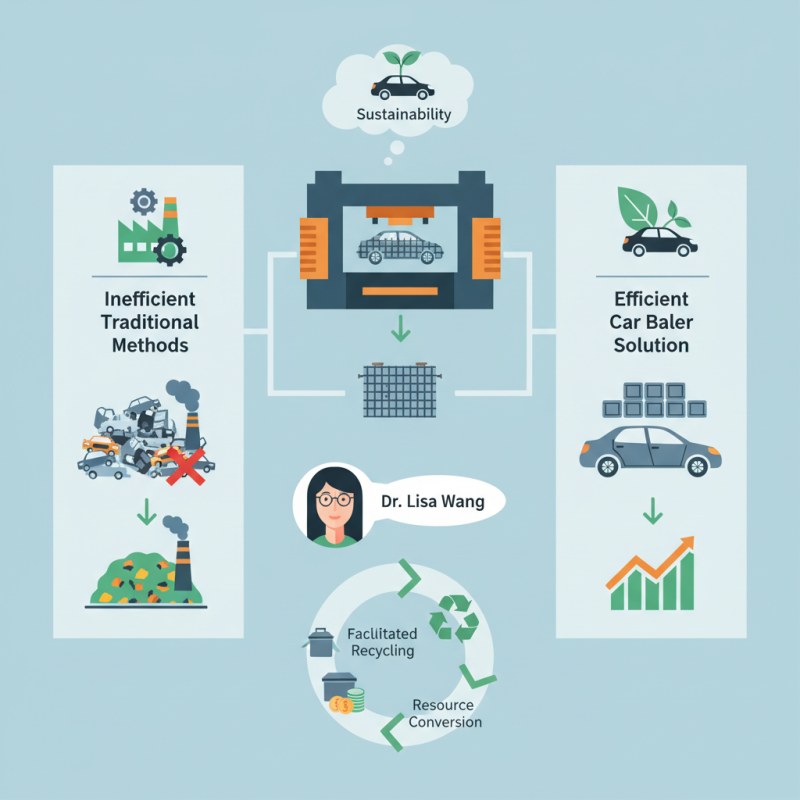
Efficient waste management is crucial in today's industrial landscape. The Car Baler Machine stands at the forefront of this effort. Dr. Lisa Wang, a leading expert in waste processing technology, emphasizes its importance by saying, "The Car Baler Machine transforms waste into valuable resources, promoting sustainability."
These machines compact vehicles into manageable bales, reducing space and facilitating recycling. Many industries face challenges when dealing with end-of-life vehicles. Traditional methods can be inefficient, leading to concerns about environmental impact. The Car Baler Machine offers a solution, but it requires proper implementation and maintenance.
As we explore the best options in China, it's vital to consider both effectiveness and reliability. While the technology is advanced, not all models are equal. Investing in quality machines ensures long-term benefits. However, organizations must also evaluate their operational needs. Finding the right balance between cost and effectiveness remains a key area for reflection.
Overview of Car Baler Machines in China
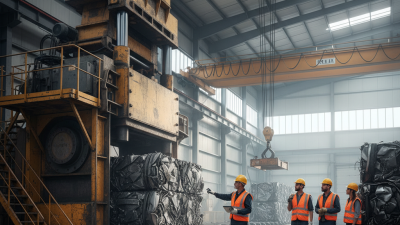
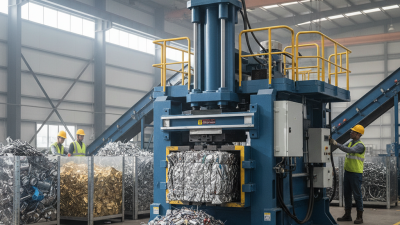
China has made significant advancements in the field of car baler machines. These machines are essential for efficient waste management. They are designed to compress scrap cars into compact bales for easier handling and recycling. The technology behind these machines has improved, resulting in enhanced performance and durability.
Car baler machines in China come in various sizes and capacities. Some models are suitable for small recycling centers, while others cater to large industrial operations. Operators often face challenges like maintenance and operational costs. Balancing efficiency with these factors is crucial for maximizing productivity. Understanding the specific needs of a facility helps in choosing the right machine.
The role of quality control in the manufacturing process cannot be overstated. Reliable machines lead to better waste management outcomes. However, inconsistencies in production can affect operation. Many users report that technical support is a key consideration when selecting equipment. This highlights the importance of expert guidance in decision-making, even as markets continue to evolve.
Key Features of Efficient Baler Machines for Waste Management
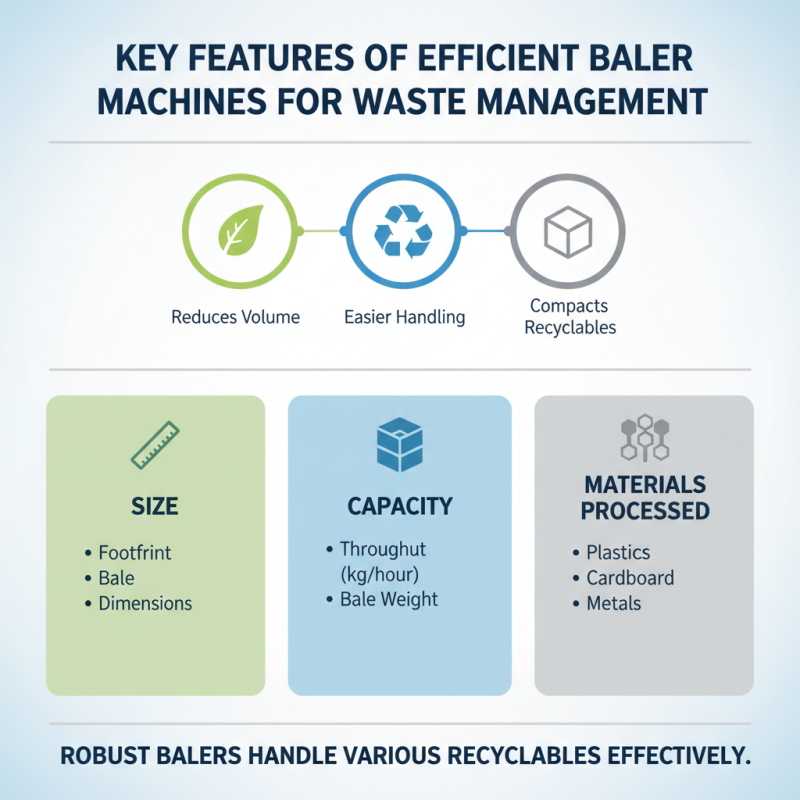
Baler machines are vital for efficient waste management. They compress recyclable materials. This process reduces volume and makes handling easier. Key features to consider include size, capacity, and type of materials processed. A robust baler should handle plastics, cardboard, and metals effectively.
Tips: When choosing a baler, assess your waste type. Not every machine suits all materials. Consider the energy consumption of the machine. Energy-efficient models can save costs over time. The location of the baler also matters. Ensure it is easily accessible for operators.
Another important aspect is maintenance. Regular checks can prolong the machine's lifespan. Users often overlook this, leading to costly breakdowns. It’s vital to follow the manufacturer's guidelines for upkeep. Be prepared for adjustments. Not every machine will operate perfectly from day one; experimentation may be needed. Balers are an investment. Make informed decisions to achieve better waste management.
Benefits of Using Car Balers in Recycling Processes
Car balers play a crucial role in the recycling of vehicles. Their ability to compact scrap metal significantly reduces waste and maximizes the recycling process. According to the Bureau of International Recycling, approximately 85% of a car can be recycled. This means that using car balers can lead to a more sustainable waste management approach, directing valuable materials back into the economy.
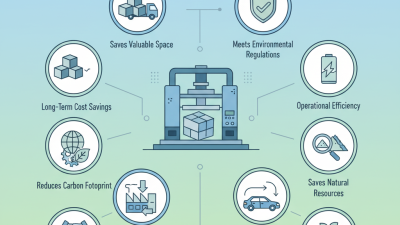
The benefits of using car balers include space efficiency and cost reduction. By compressing scrap vehicles, businesses save on storage space. A standard baler can reduce a vehicle's footprint by up to 80%. This efficiency not only streamlines operations but also lowers transportation costs. Transporting compressed bales is more economical compared to hauling whole cars.
Tip: Regular maintenance of your car baler ensures optimal performance. Check the hydraulic system and blades periodically.
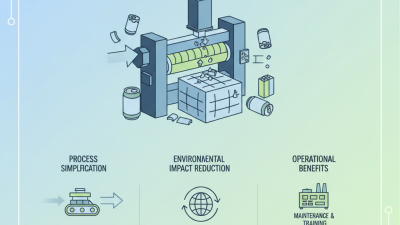
Furthermore, the environmental impact cannot be overlooked. Using balers reduces emissions linked to transport and processing. Transforming end-of-life vehicles into compact bales reduces landfill waste as well. It’s a practical step towards achieving sustainable practices in the automotive industry.
Tip: Collaborate with local recycling plants to enhance material recovery. This partnership can lead to innovative recycling solutions.
China Best Car Baler Machine A Comprehensive Guide to Efficient Waste Management
| Attribute |
Details |
| Machine Type |
Hydraulic Car Baler |
| Bale Weight |
Up to 1.5 tons |
| Cycle Time |
Approximately 60 seconds |
| Power Consumption |
15-30 kW |
| Main Features |
Energy-efficient, compact design, automatic operation |
| Applications |
Automobile recycling, scrap metal processing |
| Environmental Benefits |
Reduces landfill waste, promotes recycling |
| Estimated Cost |
$20,000 - $50,000 |
Comparative Analysis of Top Car Baler Brands in China
When examining the landscape of car baler machines in China, it is essential to analyze the leading brands and their contributions to waste management. The increasing demand for eco-friendly solutions highlights the role of these machines in recycling. According to industry reports, the car baler market in China has seen a growth rate of approximately 7.4% annually.
A key aspect is the efficiency of different car baler models. Some machines can process up to 21 tons of scrap per hour. This capability significantly enhances recycling operations. However, the energy consumption and maintenance costs vary widely among brands. It's crucial to look beyond the initial investment and consider long-term operational efficiency.
Moreover, customer feedback often points out potential shortcomings of certain models. Issues like hydraulic system failures or slow responsiveness tend to surface. This suggests that while some brands boast high production capacities, reliability might be a concern. Evaluating the feedback from industry professionals can provide insights into the best choices for specific needs. The focus should always be on the balance between performance and operational dependability when making a decision.
Maintenance Tips for Optimal Performance of Baler Machines
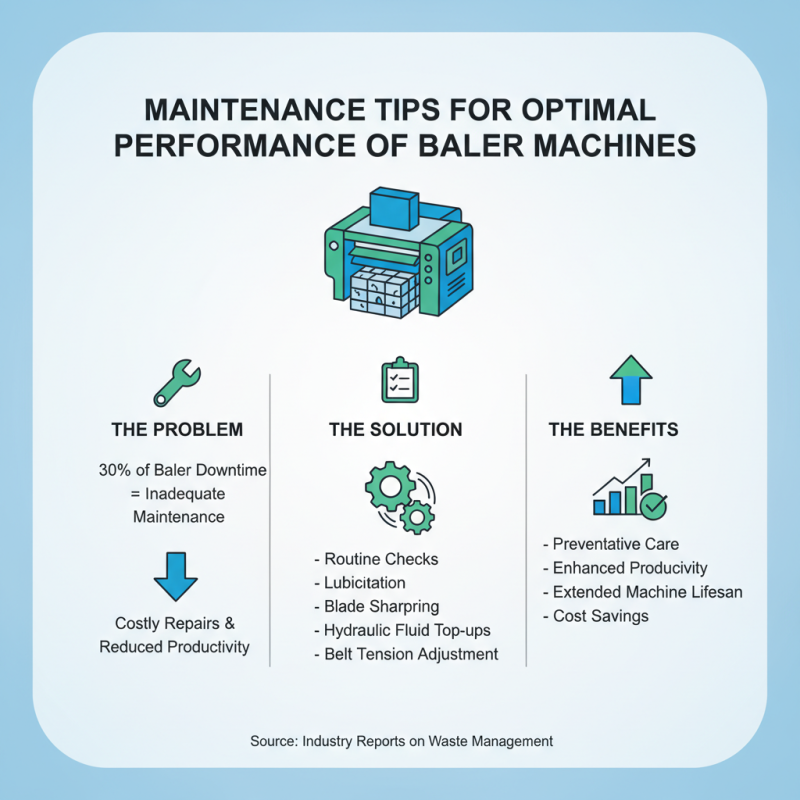
Baler machines play a crucial role in waste management, especially in the compression of recyclable materials. Regular maintenance is essential for their optimal performance. According to industry reports, nearly 30% of baler downtime is linked to inadequate maintenance practices. Routine checks can prevent costly repairs and enhance productivity.
To keep baler machines running smoothly, focus on essential components. Check the hydraulic system regularly to ensure it operates efficiently. Any signs of leaks should be addressed immediately. Keep the feed opening clear of debris. This prevents jams and enhances the machine's throughput. With proper maintenance, balers can operate at up to 90% efficiency.
Many users overlook cleaning the baler after use. Residue can build up, affecting the equipment. Implementing a cleaning schedule can dramatically extend the lifespan of the machine. Additionally, lubricate moving parts frequently. This may seem tedious, but even minor neglect can lead to major issues down the line. Staying proactive is key to achieving long-term operational success.