2026 Best Hydraulic Metal Baler for Global Buyers?
Choosing the 2026 best Hydraulic Metal Baler requires more than comparing purchase prices. Global buyers need dependable performance, clear specifications, and practical evidence from real operating conditions. A suitable machine should compress metal efficiently, maintain stable pressure, and support consistent bale sizes. It should also match the buyer’s material type, production volume, available power, and workshop space.
Real experience matters here.
A baler handling steel cans may perform differently with aluminum profiles, copper scrap, or mixed sheet metal. Cycle time, chamber dimensions, hydraulic pressure, motor efficiency, and wear resistance deserve close attention. Operators should examine loading methods, noise levels, maintenance access, and emergency stop functions before signing an order. Factory testing, service records, spare-parts availability, and technical training can reveal more than attractive catalog images. Certification and documentation should also align with the destination market’s safety requirements.
No machine is perfect.
Some manufacturers publish impressive output figures without explaining material density or testing conditions. That limitation deserves honest consideration. Buyers should request videos, sample bales, inspection reports, and references from comparable facilities. Reliable suppliers answer detailed questions and admit where their equipment has limits. This article outline examines leading Hydraulic Metal Baler options through performance, construction quality, energy use, automation, after-sales support, and total ownership cost. The goal is not to promote one universal choice. It is to help global buyers make a defensible decision based on evidence, operating realities, and long-term value.
What Is a Hydraulic Metal Baler and How Does It Work?
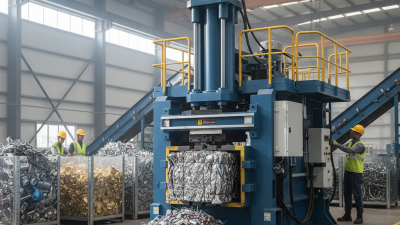
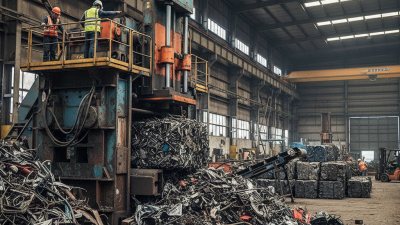
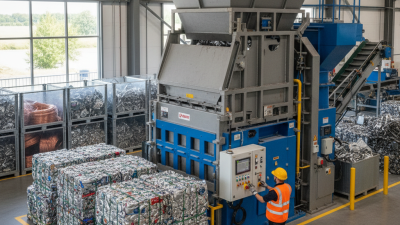
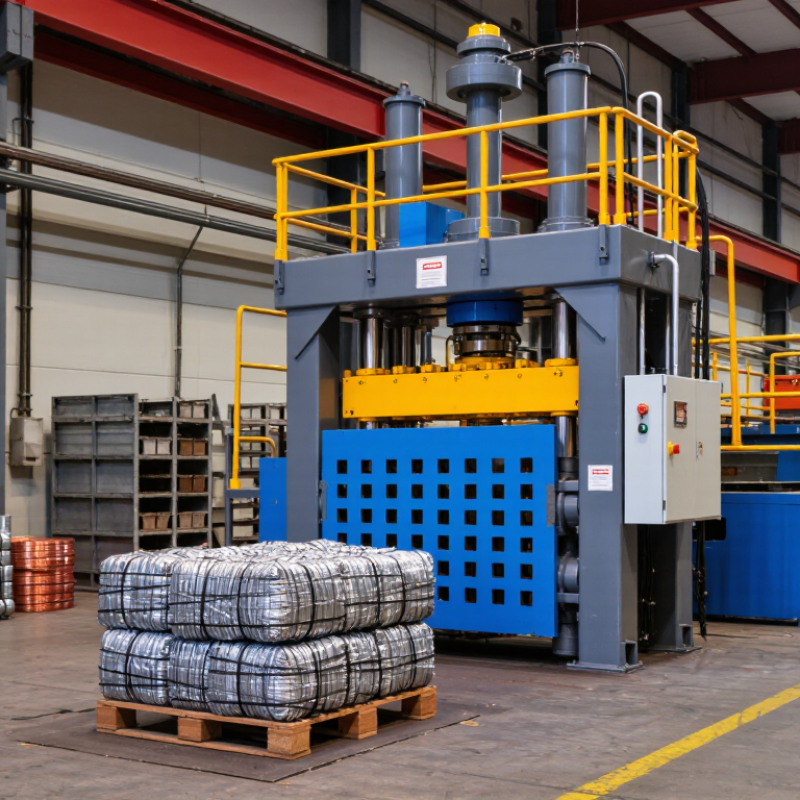
A hydraulic metal baler compresses loose scrap into dense, manageable blocks. It uses an electric motor, hydraulic pump, cylinders, and a reinforced chamber. The pump sends pressurized oil into the cylinders. These cylinders push a steel plate against the scrap. Pressure rises gradually, while the chamber controls the bale’s final shape.
It is a powerful machine. Not a magic box.
Operators usually load prepared metal, close the chamber, and start the compression cycle. The machine then releases or ties the finished bale, depending on its design. Bale density depends on metal type, moisture, chamber size, and hydraulic pressure. Thin sheet behaves differently from heavy structural offcuts. This detail is often underestimated.
The World Steel Association reports that roughly 680 million tonnes of steel are recycled globally each year. That scale explains why efficient compaction matters. Denser bales can reduce storage volume, handling time, and transport movements.
However, the real result depends on loading discipline and maintenance. A neglected oil filter can slow the cycle. Worn seals can create pressure loss.
The U.S. Occupational Safety and Health Administration emphasizes guarding, lockout procedures, and operator training for hydraulic machinery. Global buyers should verify emergency stops, chamber interlocks, pressure ratings, and spare-part availability. Buyers should also question optimistic capacity figures. A laboratory rating may not match mixed scrap in a busy yard. Performance should be checked with the actual material.
Which Metal Types and Recycling Tasks Require a Hydraulic Baler?
A hydraulic metal baler suits steel, aluminium, copper, brass, and clean mixed nonferrous scrap. It compresses loose material into dense, stackable bales. This improves loading efficiency and reduces handling space. A common mistake is treating every scrap stream alike. Thin steel sheets need different chamber pressure from heavy copper bundles. World Steel Association data indicates roughly 630 million tonnes of steel are recycled globally each year. That volume reflects strong demand for reliable compaction equipment.
Steel cans, stamping offcuts, aluminium profiles, and light automotive panels are typical baling materials. Vehicles should be depolluted before processing. Baling is not a substitute for controlled dismantling. The Global E-waste Monitor 2024 recorded 62 million tonnes of e-waste generated in 2022, with only 22.3% formally collected and recycled. After compliant dismantling, hydraulic balers can compact separated steel housings, aluminium frames, and copper-rich fractions. Whole electronic devices should not enter the chamber.
Material preparation matters. Remove excessive dirt, liquids, sealed containers, and incompatible objects. Moisture can increase corrosion and transport weight. Fine wire may bridge inside the chamber. Oversized plates may require pre-shearing. A baler is not a universal answer. Selection should consider feed dimensions, bale density, cycle time, and available floor space. The International Aluminium Institute reports that recycled aluminium uses about 5% of the energy required for primary production. Better compaction can support that efficiency, but poor sorting still weakens the result. Catalog pressure alone is an incomplete decision.
How to Compare Baling Force, Chamber Size, and Output Capacity
2026 Best Hydraulic Metal Baler for Global Buyers?
How to Compare Baling Force, Chamber Size, and Output Capacity
A hydraulic metal baler should match your scrap type, not only its advertised tonnage. Baling force affects compression density, but higher force does not always mean better performance. Light aluminum and thin steel may need less force than bulky, mixed metal loads. Ask whether the stated force is continuous working force or only peak pressure. This detail can change purchasing decisions.
Chamber size controls the shape and weight of each bale. A larger chamber suits high-volume feeding, but it may produce bales that are difficult to move manually. Measure your loading equipment and storage area before choosing dimensions. During trials, check whether metal reaches the chamber corners without excessive repositioning. Uneven filling often creates loose edges and unstable bales.
Output capacity depends on more than cycle time. It includes loading speed, material preparation, bale ejection, tying, and operator movement. A machine rated for many bales per hour may deliver less in daily use. Record actual bale weights over several shifts. Check oil temperature, noise, and pressure stability during continuous operation. I would also test the smallest and largest expected loads. Real conditions are rarely as tidy as factory samples. A modest machine can outperform a larger one when feeding is consistent and maintenance access is practical.
2026 Best Hydraulic Metal Baler for Global Buyers: Comparing Baling Force, Chamber Size, and Output Capacity
Heavy-duty balers generally provide higher baling force, larger chambers, and greater throughput. The benchmark values below represent typical market ranges for light-, medium-, and heavy-duty hydraulic metal balers. Actual output depends on scrap type, material density, loading method, cycle time, and operator efficiency.
How Global Buyers Can Evaluate Suppliers, Costs, and Compliance
The 2026 best hydraulic metal baler is not automatically the machine with the lowest quotation. The World Steel Association reported 1.89 billion tonnes of crude steel production in 2023. That scale makes reliable scrap processing important, but supplier comparisons still require practical testing.
Ask for a documented cycle time, bale density, chamber dimensions, motor rating, and oil-temperature limits. Request a trial using your actual feedstock, including thin sheet, mixed offcuts, and oily material. Small details matter. Check weld quality, cylinder seals, valve availability, and emergency-stop access. Compare total landed cost, not only factory price. Include freight, duties, installation, training, electricity, consumables, and planned downtime. A cheap quote can become expensive.
Compliance should be verified before payment. Suppliers should provide a risk assessment based on ISO 12100, control-system documentation aligned with ISO 13849-1, and electrical drawings referencing IEC 60204-1 where applicable. For European shipments in 2026, confirm conformity with the applicable machinery rules; Regulation (EU) 2023/1230 generally applies from January 20, 2027. Other destinations may require different certifications. Ask for serial-number traceability and a signed declaration of conformity. Certificates alone are not enough. I would also inspect guarding during a live test, because paperwork can look perfect while maintenance access remains unsafe.