Top 10 Metal Baler Machines in China for Efficient Waste Management?
The manufacturing sector in China has shown remarkable growth, with waste management becoming a priority. Metal Baler Machines play a crucial role in this transformation. According to industry reports, the demand for efficient waste processing solutions is projected to increase by 7% annually. This growth is driven by the need for sustainable practices and proper recycling methods.
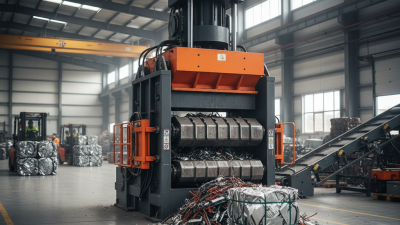
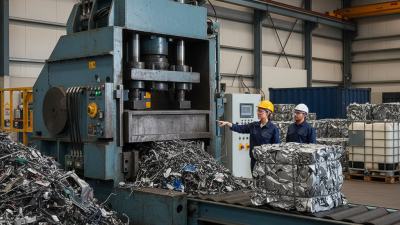
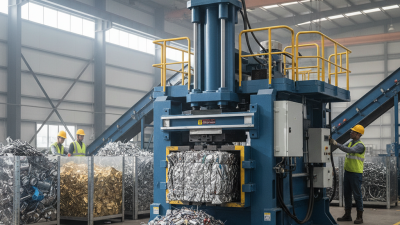
Metal Baler Machines compress scrap metal into bundles, optimizing storage and transportation. Their efficiency reduces labor costs and environmental footprints. In China, several manufacturers are leading innovations in this technology, enhancing productivity and reliability in waste management. However, the rapid pace of technological advancement raises questions about the adaptability of existing machines. These challenges underline the importance of continual learning and upgrading within the market.
Moreover, selecting the right Metal Baler Machine can be daunting for businesses. Various factors like processing capacity and user-friendliness must be considered. The industry would benefit from more comprehensive evaluation criteria. Understanding different models helps ensure that organizations choose the best fit for their needs, ultimately leading to more effective waste management solutions.
Overview of Metal Baler Machines in Waste Management
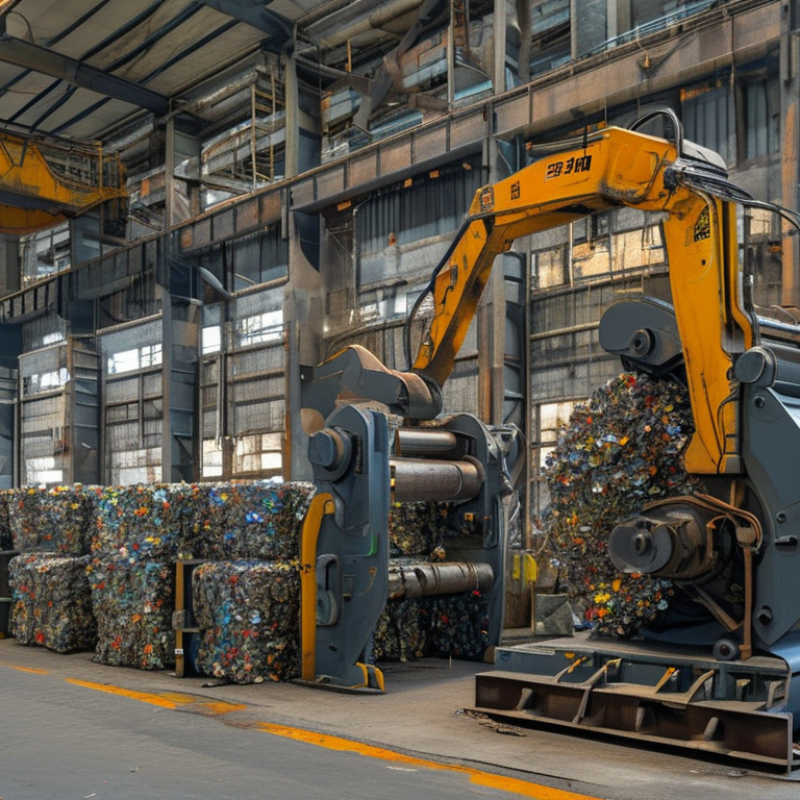
Metal baler machines play a crucial role in waste management. These machines compact various metals, reducing their volume and preparing them for recycling. According to industry reports, the global metal baler market is projected to grow by 5.2% annually, driven by increased recycling activities. This trend highlights the importance of efficient waste management practices.
The functionality of metal baler machines can significantly enhance the recovery of valuable materials. A well-designed baler can process up to 20 tons of waste per hour, streamlining operations in recycling plants. This efficiency not only saves time but also reduces operational costs. However, challenges remain. Many facilities still use outdated equipment, leading to inefficiencies. An unoptimized baler may struggle with thicker metals, affecting productivity. Regular maintenance is essential to address these issues.
As China continues to combat waste management challenges, adopting advanced metal baler technology can improve sustainability. The emphasis on recycling aligns with national policies, promoting a circular economy. However, ongoing training for operators is often overlooked. Skilled personnel are key to maximizing the potential of these machines. Investing in both technology and human resources is vital for achieving efficient waste management.
Top 10 Metal Baler Machines in China for Efficient Waste Management
| Model |
Press Capacity (tons) |
Bale Size (mm) |
Weight (kg) |
Power (kW) |
Automation Level |
| Model A |
20 |
800 x 600 x 600 |
1200 |
15 |
Semi-automatic |
| Model B |
25 |
900 x 700 x 700 |
1500 |
18 |
Fully automatic |
| Model C |
30 |
1000 x 800 x 800 |
1800 |
22 |
Fully automatic |
| Model D |
15 |
700 x 500 x 500 |
900 |
12 |
Manual |
| Model E |
35 |
1100 x 900 x 900 |
2000 |
25 |
Fully automatic |
| Model F |
40 |
1200 x 1000 x 1000 |
2500 |
30 |
Fully automatic |
| Model G |
50 |
1300 x 1100 x 1100 |
3000 |
35 |
Fully automatic |
| Model H |
45 |
1400 x 1200 x 1200 |
2800 |
28 |
Semi-automatic |
| Model I |
60 |
1500 x 1300 x 1300 |
3500 |
40 |
Fully automatic |
| Model J |
70 |
1600 x 1400 x 1400 |
4000 |
45 |
Fully automatic |
Key Features to Consider When Choosing Metal Balers
When selecting a metal baler for effective waste management, key features play a crucial role. Assessing the machine's build quality is essential. A robust construction ensures durability during heavy operations. Look for balers made from high-grade materials. It is important to prioritize machines designed to withstand harsh environments and demanding workloads.
The baling force and capacity should be examined closely, too. Different applications require varying levels of force and size. A machine with adjustable settings offers flexibility. This ensures it meets the needs of various types of metals. Additionally, consider the automation features. Automated processes can significantly increase efficiency and reduce labor costs.
Energy efficiency is another critical factor. Balers that consume less power can lead to significant savings over time. Compact design may also be important, especially for limited spaces. Many facilities find that space-saving balers optimize the workflow. However, always reflect on the long-term operational costs versus the initial investment. Each feature should align with your specific waste management goals and needs.
Top Manufacturers of Metal Baler Machines in China
China is a significant player in the production of metal baler machines. These machines are essential for efficient waste management. Many manufacturers focus on innovation and sustainability in their designs. The country's rapid industrial growth drives the demand for such equipment. Manufacturers leverage modern technology to enhance the performance of their balers.
The efficiency of metal baler machines is often influenced by various factors, such as design and material quality. High-capacity machines are popular among recyclers. They streamline the process of compacting metal waste. Specific features, like automatic feeding systems, improve productivity. However, some machines may require frequent maintenance, which can disrupt workflow. It is crucial to evaluate the practicality and long-term reliability of these machines before making a purchase.
Partnerships with reputable suppliers are vital in ensuring quality. Manufacturers with a solid reputation often provide comprehensive support services. This includes installation and training. Potential buyers should also consider the adaptability of the machines to different environments. While many manufacturers claim efficiency, real-world performance can vary. Researching user reviews can provide insights into their effectiveness in various applications.
Comparison of Efficiency and Performance Among the Top Metal Balers
Selecting the right metal baler machine is crucial for efficient waste management. Performance and efficiency can vary greatly among models. Key factors to consider include compression power, cycle time, and operational ease. High compression force often leads to better space savings, but machines with lower power may suit smaller operations.
Tips: Look for balers with adjustable compression settings. This feature allows you to cater to different types of materials. Also, monitor energy consumption. Balers with energy-efficient motors may have higher upfront costs but save money long-term.
Evaluating performance requires a hands-on approach. Test the machines for speed and output quality. It's essential to consider materials processed and volume handled daily. Some balers struggle with specific metals, leading to inconsistent bale quality. Gathering feedback from operators can reveal insights into reliability.
Tips: Regular maintenance is vital for performance. Establish a routine check to ensure everything operates smoothly. Also, consider your facility layout. The machine's placement can impact workflow and efficiency. Make adjustments based on actual use cases and equipment feedback.
Top 10 Metal Baler Machines Efficiency Comparison
Future Trends in Metal Baling Technology and Waste Management
The landscape of metal baling technology is evolving rapidly. As industries seek sustainable waste management solutions, the reliance on advanced metal baler machines becomes pivotal. Reports indicate that metal balers can enhance material recycling rates by up to 75%. This efficiency is crucial as global metal waste production is projected to exceed 1.3 billion tons annually by 2030.
Emerging trends in metal baling include automation and smart technology integration. Machines equipped with IoT capabilities can optimize baling processes, reducing labor costs and improving safety. Data suggests that automated systems can decrease operational downtime by 30%. Moreover, the use of AI for predictive maintenance can prevent equipment failures, ensuring consistency in performance.
However, the industry faces challenges. Many facilities struggle with the high initial costs of advanced machines. The transition towards smart technologies also demands skilled workforce training, which is often overlooked. As the sector moves forward, a balanced approach focusing on both technological advancement and infrastructure investment is essential for effective waste management.