Leave Your Message

Top Electromagnetic Lifter Manufacturers Worldwide?

Choosing among the top Electromagnetic Lifter manufacturers worldwide requires more than comparing catalogue prices. A credible evaluation should examine lifting capacity, residual magnetism, battery performance, coil protection, control systems, and documented testing. In a steel warehouse, the difference can be visible: one lifter holds a clean plate steadily, while another struggles with oily, uneven material. Small details matter.

Dr. Mark E. Hennessy, an industrial lifting-equipment specialist, states, “A lifting magnet is only as dependable as the load information and operating discipline behind it.” This principle guides our comparison. Manufacturer reputation matters, but field experience matters too. Buyers should review actual working loads, air gaps, plate thicknesses, duty cycles, and emergency-release procedures. Independent certifications and traceable inspection records provide stronger evidence than promotional claims alone.

There is no universal winner. A heavy fabrication plant may prioritize deep penetration and continuous-duty cooling. A service center may value compact controls, fast battery charging, and flexible handling. Weather, surface condition, operator training, and maintenance quality can change performance significantly. Even an excellent Electromagnetic Lifter may disappoint when lifting rusty plates with poor contact or unknown weight.

This overview compares leading global manufacturers through practical and technical criteria. It considers product range, customization, safety features, service coverage, and customer support. Some information remains difficult to verify across markets. That limitation deserves attention. The final ranking should therefore support careful procurement, not replace engineering review, site trials, or written load assessments.
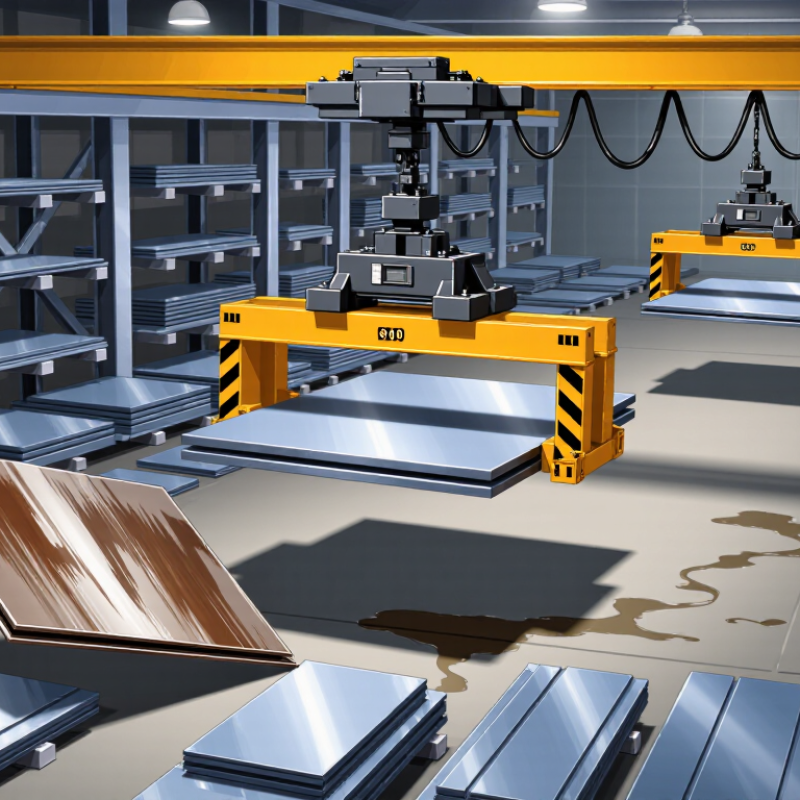
Top Electromagnetic Lifter Manufacturers Worldwide?

What Are Electromagnetic Lifters and How Do They Work?

Electromagnetic lifters use electricity to create a magnetic field for moving ferrous metal. A copper coil surrounds an iron core or magnetic circuit. When direct current passes through the coil, magnetic flux travels through the core and attracts steel plates, bars, or castings. Cutting the power usually releases the load, although residual magnetism may remain.

The lifting force depends on more than electrical current. Material type, surface condition, contact area, and air gaps all matter. Rust, paint, scale, or a curved surface can reduce contact and weaken the grip. The load must be clean. Copper and aluminum generally cannot be lifted by a standard electromagnetic lifter.

Operators should check the rated capacity, voltage, duty cycle, and control system before each use. A heavy plate may look secure while a thin air gap quietly reduces holding force. That detail is easy to miss. Heat also affects performance, especially during repeated lifting cycles. Proper inspection includes cables, coil housing, warning indicators, and backup power functions where fitted.

These lifters improve handling speed in fabrication shops, steel yards, and machining areas. However, capacity charts are not universal promises. They depend on tested conditions. A cautious lifting plan should consider load shape, balance, temperature, and the consequences of power loss. Engineering judgment still matters, and a convenient magnet is not automatically a safe one.
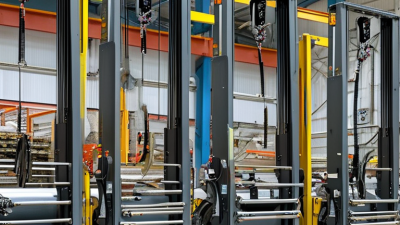
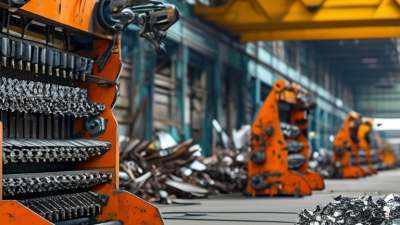
What Are Electromagnetic Lifters and How Do They Work?

An electromagnetic lifter uses an energized coil to create a magnetic field. When the magnetic circuit contacts ferromagnetic steel, the load becomes part of the magnetic path and can be lifted. The chart shows the idealized relative holding force as the air gap increases, based on the simplified relationship that magnetic force decreases approximately with the square of the air gap. Actual lifting performance also depends on steel grade, plate thickness, surface condition, pole design, voltage, and safety factors.

Key Criteria for Evaluating Electromagnetic Lifter Manufacturers

Choosing an electromagnetic lifter manufacturer requires more than comparing lifting capacity. Grand View Research estimates the global industrial magnets market will expand at about 7% annually through 2030. This growth brings more suppliers, but not equal engineering quality. Review load charts, steel grades, duty cycles, and performance at the rated air gap. A lifter rated for 2,000 kilograms on clean plate may perform differently on rusty, painted, or uneven steel.

Independent testing matters. Ask for documented results under standards such as EN 13155 or ASME B30.20, where applicable. Check emergency release protection, residual magnetism, battery endurance, and overload controls. ISO 9001 certification supports process consistency, but it does not prove every product is safe. The manufacturer should provide traceable test records, calibration dates, and inspection guidance. Reports from MarketsandMarkets also identify automation and material handling as major industrial magnetics growth areas, increasing the need for reliable technical support. Sales claims are not enough.

Tips: Request a sample factory acceptance report. Compare the actual air-gap test, not only the headline capacity. Inspect welds, handles, labels, and control buttons closely. Ask how quickly replacement batteries and spare parts arrive. A strong supplier explains failure modes clearly. A weak one avoids them.

My own caution: published safety margins can look impressive, yet field conditions remain unpredictable. Trial testing with your real steel shapes may reveal problems that brochures hide.

Leading Electromagnetic Lifter Manufacturers by Region

Leading Electromagnetic Lifter Manufacturers by Region

Regional demand for electromagnetic lifters follows steel production, shipbuilding, and recycling activity. The World Steel Association reported about 1.88 billion tonnes of crude steel production in 2023. Asia accounted for roughly three quarters of that output, creating strong demand for high-capacity lifting systems. Manufacturers in East Asia commonly focus on compact designs, automated controls, and lifting capacities above 30 tonnes. Their equipment often serves steel mills, ports, and scrap yards.

Europe places greater emphasis on energy efficiency, safety monitoring, and refurbishment. The European Environment Agency identifies industrial energy reduction as a continuing priority, which encourages lifter designs with improved coils and standby controls. North American manufacturers often prioritize heavy-duty operation, replaceable components, and battery backup. This suits large warehouses and rail-connected steel facilities. Regional differences matter. A lifter designed for a mild indoor warehouse may fail quickly near hot billets or salty coastal air.

India and Southeast Asia are expanding metal-processing capacity, according to recent industrial outlooks from the International Energy Agency and regional infrastructure reports. Local suppliers increasingly offer customized control panels and lower-maintenance systems. Buyers should verify duty cycle, residual holding force, thermal protection, and performance during power loss. Field inspections frequently reveal a weak point: rated capacity is checked, but actual load shape is ignored. That mistake deserves more attention.

Top Electromagnetic Lifter Manufacturers Worldwide? - Leading Electromagnetic Lifter Manufacturers by Region

Regional manufacturing overview based on commonly documented industrial capabilities, applications, and applicable lifting-safety requirements.

Region Main Manufacturing Strength Common Electromagnetic Lifter Types Typical Industrial Applications Common Load Characteristics Frequently Referenced Standards Regional Market Position
East Asia High-volume production of lifting magnets, control systems, and customized material-handling equipment Battery-powered electro-permanent lifters, crane-mounted electromagnets, and automated lifting systems Steel service centers, plate handling, shipbuilding, foundries, warehouses, and fabrication plants Light to very heavy ferrous loads; capacity depends on material thickness, air gap, surface condition, and magnet design ISO 12100, ISO 13849-1, EN 13155, and ASME B30.20 where applicable Major manufacturing and export region
Europe Safety-focused engineered lifting solutions, automation integration, and specialized magnetic handling equipment Electro-permanent magnets, programmable lifting systems, and high-precision plate lifters Steel processing, machine building, logistics automation, recycling, and heavy fabrication Strong emphasis on controlled lifting, rated working loads, fail-safe functions, and traceable testing EN 13155, Machinery Directive or Machinery Regulation requirements, ISO 12100, and applicable CE conformity procedures Established engineering and technology region
North America Heavy-duty lifting equipment, custom engineering, control reliability, and aftermarket support Crane electromagnets, battery-backed lifting magnets, scrap-handling magnets, and custom lifting beams Steel mills, scrap yards, rail fabrication, structural steel, ports, and industrial maintenance Medium to very heavy loads, often designed around overhead cranes and demanding duty cycles ASME B30.20, ASME BTH-1, OSHA lifting-safety requirements, and applicable CSA requirements Strong custom-engineering and service market
South Asia Industrial fabrication, steel-sector equipment, crane integration, and cost-sensitive customized solutions Crane-mounted lifting magnets, plate lifters, billet-handling magnets, and lifting attachments Steel plants, foundries, fabrication shops, warehouses, and infrastructure projects Configurations range from compact workshop units to large-capacity systems for steel production Applicable national regulations, ISO 12100, EN 13155, and ASME B30.20 for export-oriented projects Growing industrial and infrastructure market
Middle East Project-based material handling, steel distribution equipment, and integration with cranes and port systems Heavy-duty crane magnets, plate-handling lifters, and battery-supported lifting systems Steel stockyards, construction-material handling, ports, recycling, and large infrastructure projects Equipment is commonly specified for outdoor use, high ambient temperatures, and long operating cycles EN 13155, ASME B30.20, ISO 12100, and project-specific lifting regulations Import, integration, and project-delivery market
Latin America Regional fabrication, maintenance support, and adaptation of lifting equipment for steel and mining operations Scrap magnets, plate lifters, crane electromagnets, and replacement magnet assemblies Mining, steel processing, ports, recycling, metal service centers, and general manufacturing Equipment selection is strongly influenced by corrosion exposure, power availability, and local maintenance capability Local occupational-safety rules, ISO 12100, EN 13155, and ASME B30.20 when specified by the project Application-driven regional market
Oceania Mining, port, recycling, and steel-handling solutions supported by local engineering and maintenance providers Heavy-duty scrap magnets, crane-mounted electromagnets, and corrosion-resistant lifting systems Mining operations, scrap processing, ports, steel distribution, and infrastructure maintenance High priority on durability, remote-site serviceability, weather resistance, and compatibility with existing cranes AS/NZS lifting requirements, ASME B30.20, EN 13155, and site-specific safety procedures Specialized end-user and service market

Note: Electromagnetic lifter capacity is not determined by region alone. Buyers should verify rated capacity, minimum material thickness, air-gap performance, duty cycle, power-loss protection, test certificates, and compatibility with the intended crane or lifting system.

Product Features, Safety Standards, and Industry Applications

Top electromagnetic lifter manufacturers worldwide are judged by more than lifting capacity. Their products should provide stable magnetic force, low power consumption, visible load indicators, and controlled release systems. A 1,000-kilogram lifter may handle steel plates, billets, blocks, and scrap, but performance changes with thickness, surface rust, air gaps, and temperature. These details matter.

Safety begins with verified engineering. ISO 12100 supports systematic machinery risk assessment, while EN 13155 addresses non-fixed load lifting attachments. In the United States, ASME B30.20 covers below-the-hook lifting devices. Manufacturers should publish rated capacity charts, inspection intervals, battery limits, and proof-test procedures. A warning light is useful. It is not enough. Operators still need training, pre-use checks, and a clear exclusion zone beneath suspended loads.

Industry demand remains substantial. The World Steel Association reported approximately 1.88 billion tonnes of crude steel production in 2023, creating extensive handling needs across mills, warehouses, ports, and fabrication shops. The International Energy Agency also identifies iron and steel as responsible for roughly 7% to 9% of global energy-related carbon dioxide emissions. Efficient lifting can reduce manual handling and equipment movement, but it does not automatically reduce emissions. Buyers should compare energy use, battery life, repair access, and lifecycle documentation. A polished brochure is not proof. In practice, field testing on the customer’s actual steel surfaces remains the more reliable decision.

How to Select the Right Electromagnetic Lifter Manufacturer

Selecting the right electromagnetic lifter manufacturer requires more than comparing lifting capacity.

MarketsandMarkets identifies manufacturing, construction, and warehousing as major drivers of the global magnetic lifting equipment market. These sectors demand reliable handling of steel plates, bars, and irregular loads.

Ask manufacturers for tested capacity curves, duty-cycle data, and performance results at different air gaps. A larger rating is not automatically safer.

Review compliance evidence carefully.

ASME B30.20 addresses below-the-hook lifting devices, while ISO 9001 certification can indicate controlled production processes. Still, certification alone proves little about real operating performance.

Request traceable test reports, emergency release procedures, battery endurance figures, and inspection intervals. The manufacturer should explain how the lifter behaves during power interruption. That detail matters.

Tips:

Compare working load limits, not only maximum load. Check residual magnetism after release. Confirm spare-part availability in your region.

Ask whether technicians provide operator training and on-site commissioning. A practical factory visit can reveal more than polished brochures.

Look for clean welds, protected control panels, readable labels, and documented load testing. The U.S. Bureau of Labor Statistics continues to report serious risks around material-handling operations, so weak maintenance planning should be treated as a purchasing fault.

I would also challenge vague claims such as “fail-safe” unless the supplier defines test conditions. Even experienced buyers sometimes overlook temperature, surface rust, or thin plate thickness.

That mistake can become expensive.