Top Car Baler Machine Manufacturers Worldwide?
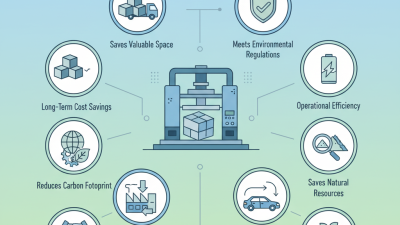
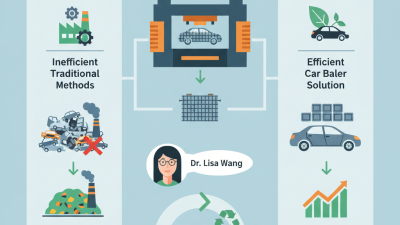
Choosing reliable equipment for end-of-life vehicles requires more than comparing machine prices. A Car Baler Machine must handle mixed scrap, compressed bodies, and demanding daily cycles. Its performance affects yard space, loading efficiency, labor requirements, and operating costs. Manufacturers worldwide offer different designs, capacities, automation levels, and service models. The differences are not always obvious from brochures.
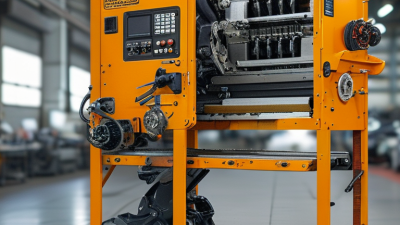
This guide examines leading car baler machine manufacturers through practical industry criteria. These include chamber dimensions, hydraulic pressure, cycle time, bale density, steel quality, electrical controls, and maintenance access. Real-world experience matters here. A machine may appear powerful, yet perform poorly when fed uneven shells or contaminated materials. Operators should also review installation support, spare-parts availability, training, warranty terms, and documented safety features. Small details often become expensive problems.
Safety remains essential.
The most credible manufacturers provide clear technical data, traceable quality procedures, and support from trained service teams. They also design equipment for recognized workplace and environmental requirements in their target markets. However, no single brand is ideal for every recycling yard. Site layout, vehicle volume, labor skills, energy supply, and local compliance obligations can change the final decision. Some published performance figures may reflect controlled conditions, not ordinary production. That deserves careful questioning. By comparing manufacturers with evidence rather than marketing language, buyers can identify equipment that offers dependable output, manageable ownership costs, and a safer long-term workflow. This article offers a balanced starting point, while encouraging buyers to verify specifications directly before signing a purchase agreement.
Global ELV Recycling Data: 95% Recovery Targets Under EU Directive 2000/53/EC
Global end-of-life vehicle (ELV) recycling is measured by recovery, not bale count. Under EU Directive 2000/53/EC, the target is 95% reuse and recovery by average vehicle weight, including energy recovery. The reuse and recycling target is 85%. These figures apply to overall system performance. A car baler only prepares material for transport and downstream processing. It cannot prove compliance alone. That distinction matters when comparing car baler machine manufacturers worldwide.
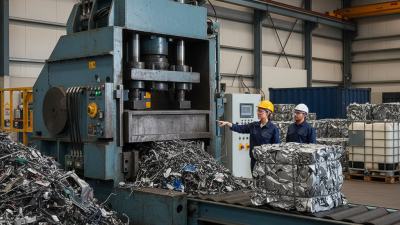
Reliable manufacturers design balers for mixed vehicle conditions, heavy steel, aluminum, plastics, and residual fluids. Buyers should examine chamber strength, cycle speed, bale density, safety interlocks, and maintenance access. Remote diagnostics can help, but trained technicians remain essential. A practical test should use actual depolluted vehicles, not only clean demonstration scrap. Watch the bale shape. It reveals pressure consistency.
Recovery data also depends on dismantling, sorting, shredding, and residue treatment. A dense bale may lower transport emissions, yet it does not automatically increase recycling rates. Plant managers should track incoming weight, recovered materials, rejected fractions, and final disposal. Records need clear scales and repeatable sampling. One uncomfortable point remains: estimated recovery figures can look better than real outcomes. Early calculations may miss plastics trapped inside dashboards or metal lost in shredder residue. Regular audits, honest measurements, and equipment adjustments are more valuable than impressive specifications.
Global ELV Recycling Data: EU Recovery Targets Under Directive 2000/53/EC
The EU End-of-Life Vehicles Directive established minimum reuse and recovery targets of 85% by 2006 and 95% by 2015. Within these totals, minimum reuse and recycling targets were 80% and 85%, respectively. The figures represent regulatory thresholds for vehicle treatment systems, not individual manufacturers.
Source: European Union Directive 2000/53/EC on end-of-life vehicles.
Car Baler Ranking Criteria: 600–1,500-Ton Press Force and Bale Density
Top Car Baler Machine Manufacturers Worldwide?
A serious ranking should begin with measurable performance, not advertising claims. Press force from 600 to 1,500 tons covers different vehicle-processing volumes and steel conditions. Lower-force machines may suit smaller yards, while higher-force systems handle heavier batches and tougher body sections. However, maximum force alone proves little. Bale density matters more for storage, handling, and transport efficiency.
A reliable manufacturer should provide tested density figures, bale dimensions, cycle times, and hydraulic pressure data. Ask whether the results come from complete vehicles, prepared scrap, or ideal laboratory material. That difference can be significant. In practical evaluations, operators should weigh several finished bales and calculate density using consistent measurements. One impressive sample is not enough. Machine uptime, chamber wear, feeding access, and maintenance response also deserve attention. A powerful press can still disappoint when loading is slow or alignment becomes unstable.
Tips:
Request a witnessed trial using your typical vehicle mix. Check bale density at 600, 1,000, and 1,500 tons when available. Inspect welds, cylinder protection, and emergency controls. Do not compare figures without matching bale size and material preparation. Small details matter. A manufacturer that explains testing limits honestly may be more dependable than one promising perfect results. I would also leave room for doubt: real yards are uneven, and performance can change with operator habits, seasonal moisture, and worn tooling.
Leading European Car Baler Manufacturers: Lindemann, Lefort, and Bonfiglioli
Leading European car baler manufacturers compete through engineering depth, not attractive brochures. Their machines handle bulky steel bodies, uneven feedstock, and demanding yard conditions. The European Environment Agency estimates that Europe processes more than six million end-of-life vehicles annually. This scale makes uptime, bale density, and maintenance access serious purchasing criteria. The European Commission’s End-of-Life Vehicles Directive also targets 95% reuse and recovery, with 85% reuse and recycling by average vehicle weight. A reliable baler supports these targets through controlled compression and cleaner material separation.
A practical comparison should examine chamber size, hydraulic pressure, cycle time, and average bale weight. Ask for verified throughput data under mixed vehicle conditions, not laboratory steel. Noise levels and energy consumption deserve attention too.
Some European suppliers provide strong automation and remote diagnostics, while others focus on rugged mechanical simplicity. Neither approach wins everywhere. The neatest specification can still fail in a dusty yard.
Operators should inspect ram guides, wear plates, oil filtration, and access around the chamber. These details often decide real operating costs. Industry reports from the Institute of Scrap Recycling Industries also emphasize consistent bale quality, traceability, and equipment safety across modern recycling operations.
Tips: Request a two-shift performance trial using your own vehicle mix. Measure tonnes per hour, bale dimensions, power use, and unscheduled stops. Keep the results. Sales promises are not operating data. Consider local service coverage and spare-part response times before signing. A cheaper machine may become expensive when one hydraulic fault stops the yard.
Leading Global Car Baler Manufacturers: Harris, Sierra, Copex, and Metso
Choosing a car baler requires more than comparing purchase prices. Global leaders typically come from North America and Europe, including manufacturers known for heavy-duty shear balers and robust metal-processing systems. Their equipment serves vehicle recyclers, scrap yards, and industrial recovery plants. Experienced buyers examine compression force, chamber size, cycle speed, and maintenance access before making a decision.
A reliable machine should handle mixed vehicle bodies without excessive vibration. Thick side plates, protected hydraulic lines, and replaceable wear parts can reduce downtime. Remote diagnostics also help technicians identify pressure or temperature problems earlier. Still, no machine fits every site. Yard layout, electricity supply, operator skill, and local service coverage can change the result. That detail is easy to underestimate.
Tips: Request test data using similar vehicle materials. Ask for real production figures, not only laboratory ratings. Check noise levels, safety interlocks, spare-part availability, and training support. Inspect the bale shape after several cycles; loose bundles may indicate poor pressure control. A short trial can reveal more than a polished brochure. It may also expose weaknesses in feeding speed or maintenance access. These checks support a more reliable comparison among leading international manufacturers.