How to Choose the Best Car Baler Machine for Your Needs?
Choosing the right Car Baler Machine can be a daunting task. With numerous options available, it's crucial to make an informed decision. Industry expert John Mitchell emphasizes, "Selecting the right baler can significantly impact your workflow and efficiency." His insights reflect the importance of understanding your unique needs before making a purchase.
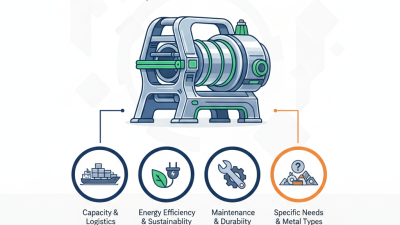
When considering a Car Baler Machine, think about its capacity, price, and features. How often will it be used? What types of materials will you process? These questions are essential. A machine that works well for one business may not suit another's requirements. It's also vital to research reliable brands known for quality.
In a world of rapidly changing technology, the perfect machine may seem elusive. Be prepared to evaluate your choices thoroughly. Look for user reviews and expert recommendations. The right Car Baler Machine can boost productivity and streamline operations. However, making a hasty decision could lead to regret.
Understanding Your Requirements for a Car Baler Machine
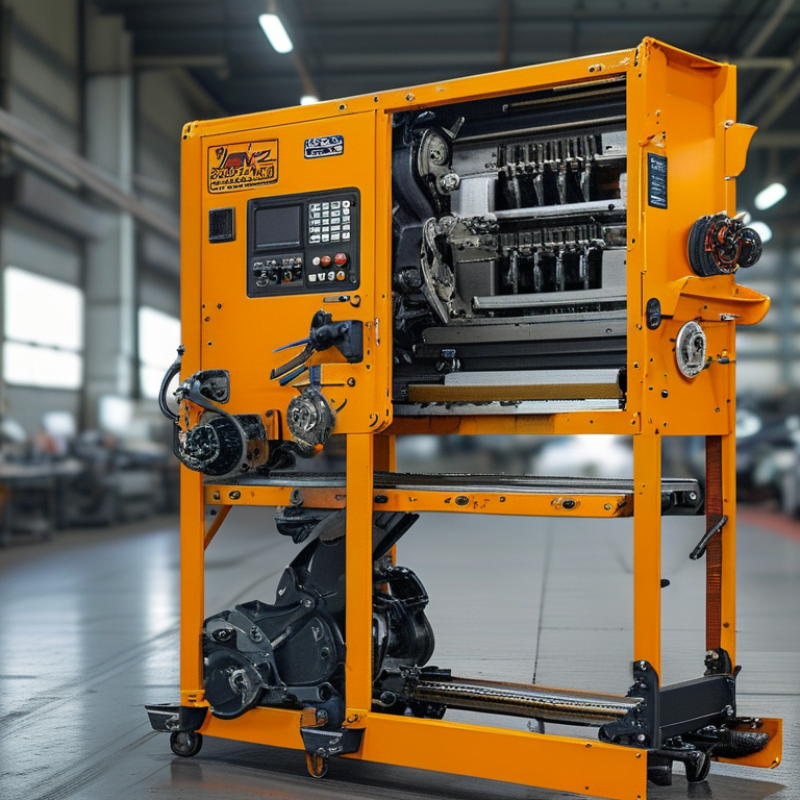
Selecting a car baler machine requires a clear understanding of your operational needs. Begin by assessing the volume of vehicles you process daily. A report by the American Recycling Federation indicates that effective baling can increase processing efficiency by up to 30%. Therefore, choosing a machine that aligns with your output goals is crucial. If you’re handling large volumes, a high-capacity baler might be necessary to keep up with demand.
Next, consider the size and type of vehicles you typically dispose of. Some balers are designed specifically for compact cars, while others can handle larger models. This detail can significantly impact your workflow. According to an industry study, over 60% of facilities report inefficient operations due to improper machine selection. Additionally, factor in maintenance costs and ease of operation. While advanced features may seem attractive, they can complicate routine processes and increase downtime for training.
Evaluate the available space in your facility, as well. A compact baler may seem appealing, but it’s essential to ensure it meets your production rate without sacrificing performance. Remember, balancing efficiency and capability often reveals challenges. Investing too little can lead to inefficiency, yet investing too much can strain your budget. Reflect on these aspects to find the best fit for your specific needs.
How to Choose the Best Car Baler Machine for Your Needs?
| Model |
Baling Capacity (tons/hour) |
Power Requirement (kW) |
Overall Dimensions (LxWxH, mm) |
Weight (kg) |
Price Range (USD) |
| Model A |
5 |
30 |
2000 x 1500 x 1200 |
1500 |
$7,000 - $9,000 |
| Model B |
8 |
40 |
2500 x 1600 x 1300 |
1800 |
$10,000 - $12,000 |
| Model C |
10 |
50 |
3000 x 1700 x 1400 |
2000 |
$12,000 - $15,000 |
| Model D |
15 |
75 |
3500 x 1800 x 1500 |
2500 |
$15,000 - $18,000 |
Key Features to Consider When Selecting a Car Baler Machine
When selecting a car baler machine, certain key features can significantly influence your decision. Consider the machine's capacity. A baler with a higher throughput can collect more material in less time. Pay attention to the baler's size and weight. If space is a concern, opt for a more compact model. Additionally, the power source is crucial. Hydraulic and electric models each have their pros and cons.
Another important factor is the baling process itself. Some machines offer continuous operation, while others are batch-operated. Continuous balers can increase efficiency but are often more complex. Assess the ease of use as well. A user-friendly interface can save time and reduce errors during operation.
Finally, don’t overlook the maintenance requirements. Regular upkeep is vital for longevity and performance. Researching the availability of replacement parts can also prove essential. Balers can be a significant investment. Take the time to weigh your options and reflect on your operational needs before making a choice.
Comparison of Key Features in Car Baler Machines
Evaluating Different Types of Car Baler Machines Available
When assessing different types of car baler machines, it's crucial to consider their design and capacity. You will find models that serve various needs in the recycling industry. Some machines are compact, designed for smaller operations, while others have larger capacities suitable for high-volume facilities. Each option comes with unique features that can impact efficiency and output.
Electric balers are popular for their eco-friendliness and lower operational costs. They often produce less noise and require minimal maintenance. Hydraulic balers, on the other hand, are known for their powerful performance, especially in compressing thicker materials. This versatility is important for businesses that handle a wide range of scrap materials. However, deciding which type is right for you can be challenging.
Moreover, it’s essential to evaluate the operational costs versus benefits. Some machines may seem less expensive upfront but could lead to higher expenses later due to maintenance or power consumption. Think about the space available for the baler. A machine that takes up excessive space may hinder your workflow. Reflecting on these aspects is vital for making an informed decision tailored to your specific requirements.
Comparing Brands and Models: What to Look For
When choosing a car baler machine, understanding the differences between brands and models is crucial. Many machines offer similar features, but performance can vary significantly. Research shows that bale density impacts transportation costs by up to 30%. This means selecting a machine that ensures optimal density can yield savings over time.
Evaluate the features that matter most for your operations. Consider factors such as throughput capacity, energy consumption, and ease of maintenance. Some models are designed for high efficiency while others prioritize durability. It's also essential to assess the machine's footprint. A compact design might maximize space, but may not meet production needs.
Reliability is another key aspect. Data indicates that downtime can reduce productivity by approximately 15%. This makes it important to look for machines with robust warranties and support services. User reviews and industry reports can provide insights into the longevity and reliability of specific models. Balancing these aspects can be challenging, but informed choices can lead to better performance in the long run.
Assessing Budget and Cost-Effectiveness in Your Purchase Decision
When purchasing a car baler machine, assessing your budget is critical. An industry report indicates that machines can range significantly in price, from $15,000 to over $100,000, depending on features and capacity. This broad price range can affect your overall cost-effectiveness. You must analyze the return on investment, considering your operational needs.
Cost-effectiveness also relates to the efficiency of the machine. A well-designed baler can process more materials in less time. For instance, machines with higher tonnage per hour will typically reduce labor costs. A recent study highlighted that companies investing in efficient machinery saved up to 30% on operating costs over three years. This figure underlines the value of balancing upfront costs against long-term savings.
Yet, choosing the least expensive option might not be wise. Cheaper machines can lead to frequent breakdowns and higher maintenance costs. Data shows that maintenance can consume up to 20% of a baler’s life-cycle cost. Evaluating the total cost of ownership is crucial. Be prepared for potential trade-offs. In some cases, higher initial costs can yield greater long-term benefits. Consider both immediate and future needs to make an informed decision.