Leave Your Message

7 Tips for Choosing an Automatic Metal Baler

Choosing an Automatic Metal Baler is a practical decision with long-term consequences. The right machine can reduce loose scrap, improve storage, and make daily handling safer. The wrong one may create jams, inconsistent bales, and expensive downtime. That difference often appears after installation, not during the sales discussion.

Steve Fletcher, Managing Director of the British Metals Recycling Association, has emphasized a useful principle: “Quality is central to the future of metal recycling.” His point applies directly to baler selection. A reliable machine should match your metal type, feed volume, bale dimensions, and available floor space. It should also suit the people operating and maintaining it. Specifications matter. So does real working experience.

This guide examines seven practical tips for choosing an Automatic Metal Baler. It considers pressing force, chamber size, cycle speed, energy use, safety features, maintenance access, and supplier support. These details may sound routine. They are not. A machine that performs well in a showroom can behave differently beside dust, oil, vibration, and uneven scrap loads.

Do not choose by price alone.

A cheaper baler may appear attractive, but weak components can increase repair costs. Even experienced buyers can overlook service response times or spare-part availability. That is where careful comparison becomes essential. The best choice is not always the largest or fastest model. It is the machine that delivers dependable output under your actual operating conditions, with room for honest reassessment as your recycling business grows.
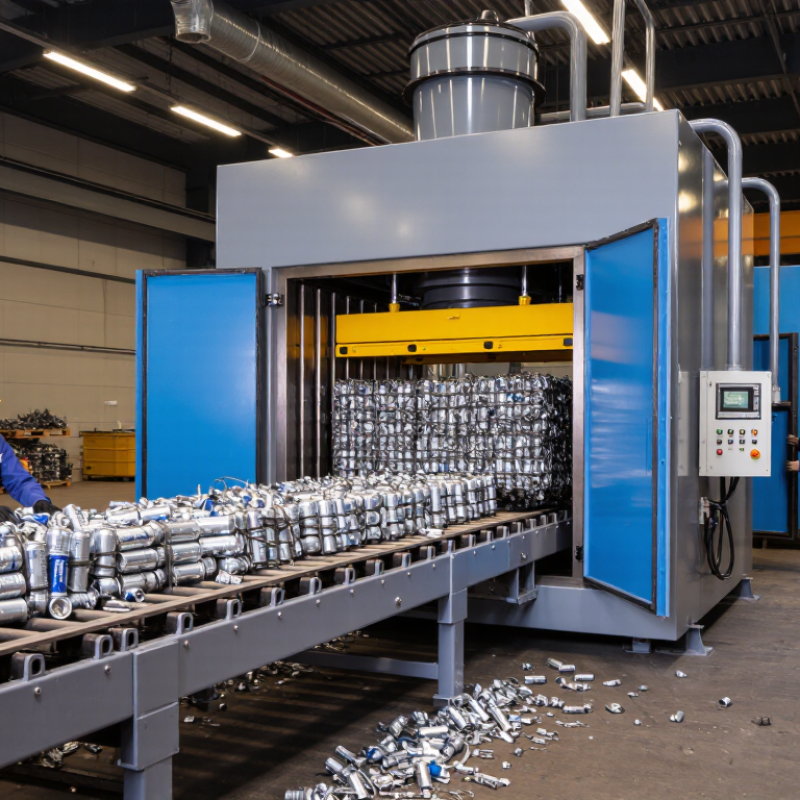
7 Tips for Choosing an Automatic Metal Baler

Understanding Automatic Metal Baler Types and Applications

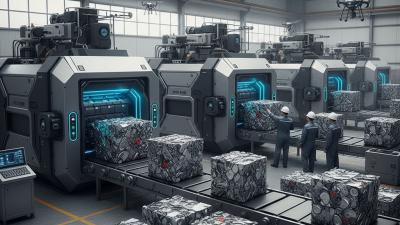
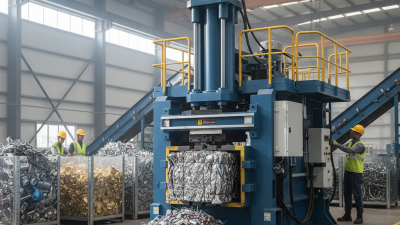
Automatic metal balers differ mainly in chamber design, compression force, and material flow. Horizontal balers suit busy scrap yards and metal-processing plants. They handle continuous feeding and produce dense bundles for transport. Vertical balers need less floor space. They fit smaller workshops and moderate production volumes. Two-ram balers separate compression from discharge, improving control over mixed, bulky scrap.

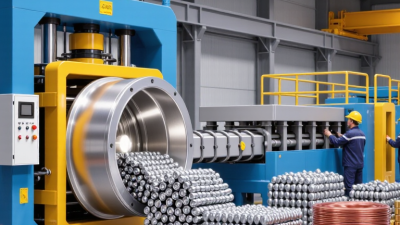
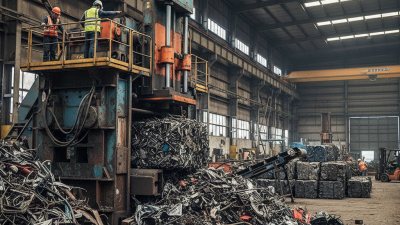
Application matters more than advertised pressure. Steel turnings, aluminum sheets, copper wire, and light-gauge offcuts behave differently. A baler for clean aluminum may struggle with oily steel chips. Check the feed opening, chamber size, cycle time, and bale density. USGS Mineral Commodity Summaries 2024 reported about 58 million metric tons of steel scrap consumed in US steelmaking during 2023. That scale shows why reliable preparation and efficient handling remain important.

Look for automatic tying, overload protection, remote diagnostics, and accessible wear parts. Safety interlocks deserve direct testing, not just brochure reading. ISRI’s Scrap Recycling Industry Yearbook has repeatedly identified safety, logistics, and equipment productivity as major operational concerns. Electricity use also deserves attention. A smaller machine can be cheaper to run, but only if it survives your daily load. My practical mistake was trusting rated capacity too quickly. Real scrap is wet, tangled, and uneven. Run a sample test before selecting the final configuration.
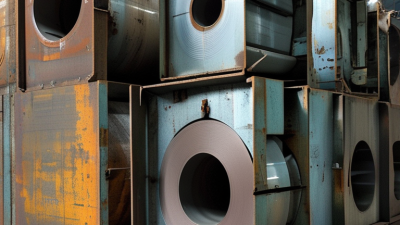

Assessing Material, Volume, and Bale Size Requirements

Choosing an automatic metal baler starts with understanding your material, not the machine’s advertised pressure. Steel sheets, aluminum cans, wire, and metal turnings behave differently during compression. Thin sheet may spring back, while loose turnings can trap air and produce unstable bales. Review thickness, moisture, surface contamination, and bulk density before comparing equipment.

Tip 1:

Test a real material sample. Watch feeding, compression, tying, and bale release. Measure the finished bale, not only the chamber size. A neat-looking trial bale can still be too loose for transport. Record bale weight, cycle time, and power use. These figures reveal practical capacity better than a catalog estimate.

Tip 2:

Calculate average and peak volume separately. Weigh incoming metal for several working days, then identify busy periods. A baler sized for average volume may create a queue during production surges. Leave room for growth, but avoid buying excessive capacity. It increases cost and may run inefficiently at low loads. Bale size also needs careful thought. Smaller bales suit limited storage and manual movement. Larger bales reduce handling frequency but require stronger floors, suitable lifting equipment, and enough storage height. Check the receiving facility’s preferred dimensions. This detail is often missed. In practice, early calculations are rarely perfect. Recheck them after a short trial period and adjust the specification before installation.

Comparing Baler Capacity, Automation, and Operating Speed

Choosing an automatic metal baler starts with matching capacity to your material flow. A larger chamber is not automatically better. In my commissioning experience, oversized chambers often waste energy when incoming scrap arrives in small, uneven batches. Measure hourly volume, material density, and peak loads before selecting a model. World Steel Association data indicates that more than 650 million tonnes of steel are recycled globally each year, so stable throughput matters across many facilities.

Automation should remove repetitive decisions, not remove operator judgment. Look for automatic feeding, bale tying, blockage detection, and programmable pressure settings. Sensors should identify overloads before the chamber stalls. The Institute of Scrap Recycling Industries’ Scrap Specifications Circular highlights bale dimensions, density, and contamination as important quality factors. Those requirements make accurate pressure control essential. Still, fully automatic operation can expose weak maintenance routines.

Speed needs careful interpretation. A published cycle time may exclude loading, tying, ejection, and interruptions. Ask suppliers for completed bales per hour using material similar to yours. A faster ram is not always a faster system. It may create unstable bales or increase wear. Record actual cycle times for one week. Then compare them with the manufacturer’s rated figures. I once trusted the brochure too quickly. That was a mistake. Leave operating headroom, because scrap moisture, tangled profiles, and occasional oversized pieces will slow production.

Checking Safety Features, Durability, and Maintenance Access

Choosing an automatic metal baler starts with the operator’s first reach, not its advertised cycle time. I look for a guarded compression chamber, a reachable emergency stop, and interlocks that prevent cycling when doors open. These details matter because the U.S. Bureau of Labor Statistics recorded 5,283 fatal work injuries in 2023, with a rate of 3.5 per 100,000 full-time workers (CFOI, 2023). That figure does not predict a baler accident. It does show why safety design deserves measurable attention.

Ask how the machine behaves after a sensor fails. Does it stop safely, display a clear fault, and require a deliberate reset? Check hydraulic hoses, weld seams, ram guides, and the chamber floor for wear points. ISRI’s 2023 industry data estimates that the U.S. recycling sector handles more than 130 million metric tons of recycled material annually. High throughput makes durability practical, not cosmetic. A thick frame alone is insufficient; inspect service records, cycle ratings, corrosion protection, and replacement-part availability.

Maintenance access is often overlooked. Stand beside the unit and inspect whether filters, valves, lubrication points, and electrical panels are reachable without climbing over scrap. OSHA’s lockout/tagout standard, 29 CFR 1910.147, requires hazardous energy isolation during servicing. The design should support that procedure with visible disconnects and room for locks. I learned this the hard way: a cramped panel encourages shortcuts. No design is perfect. Ask for a maintenance demonstration, not a brochure. If technicians need improvised tools, reconsider the purchase.

7 Tips for Choosing an Automatic Metal Baler - Checking Safety Features, Durability, and Maintenance Access

No. Selection Tip What to Check Practical Acceptance Criteria Evidence to Request Priority
1 Verify guarding and access control Inspect fixed guards, access doors, hinges, viewing panels, and interlocked entry points around the compression chamber and feeding system. Moving and crushing hazards should be inaccessible during automatic operation. Opening a guarded access point should stop hazardous motion and prevent an immediate restart. Risk assessment, guarding layout, interlock test procedure, and conformity documentation referencing ISO 12100 and applicable local regulations. Critical
2 Test emergency-stop coverage Check emergency-stop buttons, pull-cords where used, reset controls, visibility, accessibility, and whether the stop function reaches all relevant hazardous movements. Controls should be easy to identify, reachable from normal operator positions, mechanically latched, and designed so that resetting the device does not automatically restart the baler. Functional test results, control-circuit diagram, safety-performance information, and documented reset and restart sequence. Critical
3 Match capacity to the material stream Compare the intended material type, bulk density, moisture, contamination level, feed size, and daily operating hours with the machine’s rated input and bale output. Use verified test data for the actual material. Do not select equipment using only maximum theoretical throughput; allow for loading, tying, stoppages, and material variation. Capacity test report stating material conditions, average throughput, bale dimensions, bale mass, cycle time, and power requirements. High
4 Assess structural durability Review the chamber, ram, door, feed hopper, guide rails, wear surfaces, welds, hydraulic cylinders, and areas exposed to impact or abrasion. Load-bearing parts should be protected against misalignment and abrasion. Replaceable wear plates and accessible inspection points are preferable to permanently integrated wear surfaces. Material specifications, weld-quality records, fatigue or endurance test information, wear-part drawings, and recommended replacement intervals. High
5 Prioritize maintenance access Check access to filters, lubrication points, hydraulic connections, sensors, electrical panels, tie mechanisms, wear plates, and clean-out areas. Routine service points should be reachable without entering the compression chamber. Panels should open safely, and lockout/tagout points should be clearly identified. Maintenance-access drawings, lubrication schedule, lockout/tagout procedure, service clearances, and estimated time for common preventive tasks. High
6 Evaluate reliability and service support Review controller diagnostics, fault history, spare-parts availability, technician support, training, and the supplier’s preventive-maintenance recommendations. The system should identify common faults clearly and provide a documented response. Critical replacement parts should have defined lead times and compatible specifications. Sample alarm list, electrical and hydraulic schematics, spare-parts list, service-level terms, training plan, and preventive-maintenance checklist. Medium
7 Confirm installation and operating conditions Measure floor loading, available space, ventilation, ambient temperature, electrical supply, noise exposure, material-handling route, and operator visibility. The installation should provide safe clearance for loading, bale removal, inspection, and maintenance, with utilities matching the documented voltage, current, and environmental limits. Site-layout drawing, foundation or floor-load requirements, utility schedule, noise data, installation manual, and commissioning checklist. Medium
Recommended evaluation method: Score each criterion from 1 to 5 during a site visit or acceptance test. Reject any option that fails a critical safety requirement, regardless of its capacity, price, or projected productivity.

Evaluating Energy Use, Total Cost, and Supplier Support

Tip 1:

Measure energy use under real workloads, not brochure conditions. Ask for kWh per ton with your expected material mix. Thin sheets and dense bundles behave differently. Request a logged test covering idle, loading, and compression cycles. A lower motor rating may not mean lower consumption. Poor feeding can keep pumps running longer. In equipment reviews, this hidden runtime often changes the monthly bill. Still, one test is not enough. Seasonal material changes deserve another check.

Tip 2:

Calculate total cost beyond the purchase price. Include installation, electrical upgrades, blades, hydraulic oil, maintenance labor, and downtime. Ask for a five-year ownership estimate with clear assumptions. Use your own repair rates when possible. A cheap machine can become expensive after one neglected service interval. Conversely, an advanced control system may reduce labor. Do the math carefully. I would keep a contingency budget because real plants rarely match spreadsheets perfectly. That is an uncomfortable but practical truth.

Tip 3:

Test supplier support before signing. Ask how quickly technicians respond, where spare parts are stocked, and who trains operators. Request service records and references from comparable facilities. Written response times are more reliable than friendly promises. Check whether remote diagnostics work in your region. A supplier may offer excellent engineering but weak local coverage. That gap can stop production. If answers remain vague, pause the purchase. Good support should be measurable, reachable, and documented.