What is Scrap Shear Balers Features and Benefits Explained?
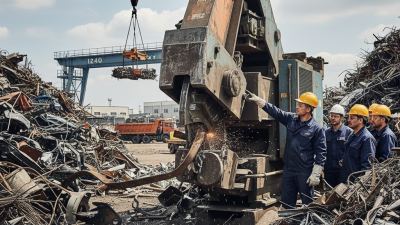
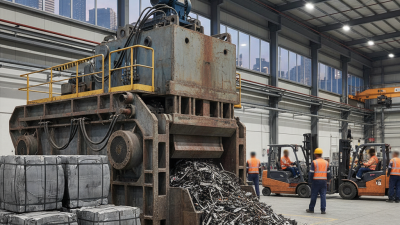
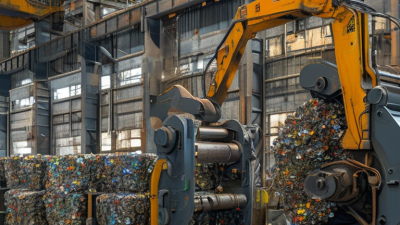
In the metal recycling industry, Scrap Shear Balers play a pivotal role. They are essential for processing scrap materials efficiently. According to industry expert John Smith, "Scrap Shear Balers provide unmatched precision and speed in metal processing." This statement emphasizes their importance in streamlining operations.
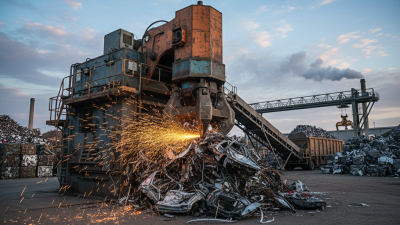
The features of Scrap Shear Balers include powerful cutting blades and heavy-duty construction. These machines can handle various materials, from light scrap to heavy metal. Their versatility makes them a valuable asset for any recycling facility. However, not all balers are created equal. Some may struggle with thicker metals or produce inconsistent bale sizes.
Understanding the benefits of Scrap Shear Balers is crucial for maximizing investment. They improve productivity, reduce labor costs, and enhance safety. Moreover, investing in high-quality models can mitigate future maintenance issues. As we explore the features and benefits of Scrap Shear Balers further, it is vital to consider both their advantages and limitations for informed decision-making.
Features of Scrap Shear Balers: Overview and Specifications
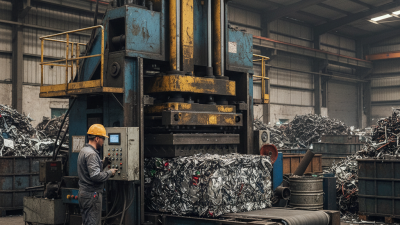
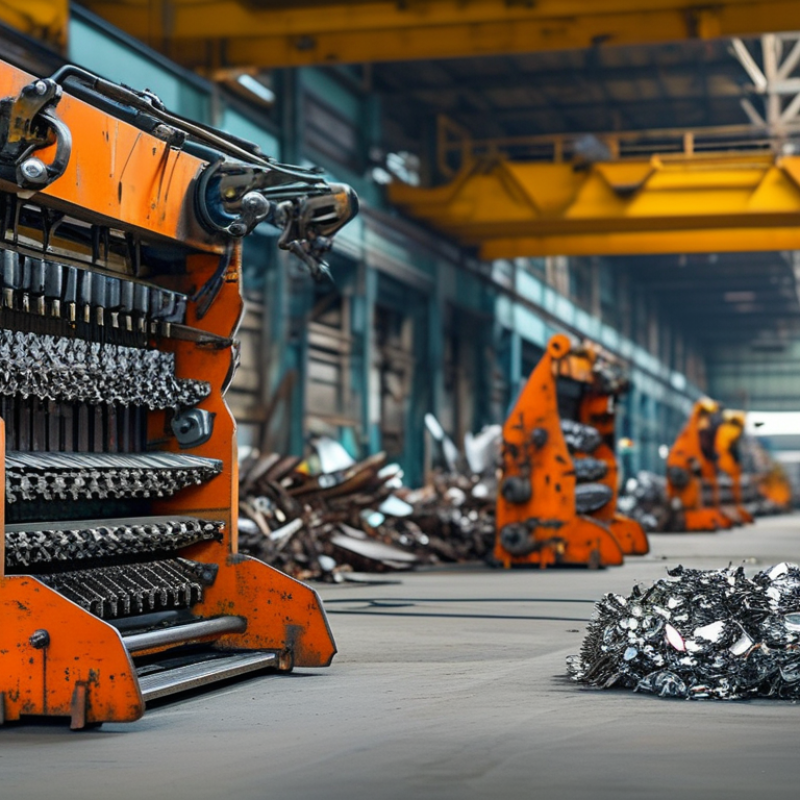
Scrap shear balers are vital in metal recycling. They compress scrap metal into bales for easier transportation and processing. These machines are known for their durability and efficiency. According to industry reports, modern balers can reduce waste by up to 80%. This statistic highlights their significance in enhancing recycling processes across different sectors.
The features of scrap shear balers include advanced hydraulic systems and robust construction. These machines often operate at high pressures, ensuring effective material compaction. Specifications may vary, but many balers can handle a variety of metals, including aluminum and steel. A recent study from the Recycling Machinery Institute pointed out that balers with automated systems save both time and labor costs.
Scrap processors can improve their efficiency by selecting a baler that meets their specific needs. Understand the pressure and capacity requirements for your recycling facility. Regular maintenance is essential for optimal performance. Monitoring wear and tear on key components can prevent costly downtime. Investing in training for operators is equally important to maximize the machine's potential.
Key Benefits of Using Scrap Shear Balers in Recycling Operations
Scrap shear balers play a significant role in modern recycling operations. They provide a robust solution for compacting scrap metal and other recyclables into manageable bales. This process increases storage efficiency and simplifies transportation. Users often appreciate how these machines enhance productivity in recycling facilities. The ability to process various materials, from aluminum to steel, is a notable feature.
One key benefit of scrap shear balers is their safety advantages. These machines are designed with safety features to protect operators. Reducing manual handling also lowers the risk of injury, creating a safer work environment. Additionally, baling recyclables minimizes the space required for storage. By efficiently organizing materials, facilities can streamline their operations and increase capacity.
Environmental sustainability is another important aspect. Using scrap shear balers contributes to reducing waste. They make recycling more effective, leading to increased material recovery. While these machines are powerful, operators must undergo proper training. Understanding the machine's functions and safety protocols is crucial. Mistakes can lead to accidents or inefficiencies, highlighting the need for ongoing improvement in training and awareness.
Market Trends: Demand and Growth of Scrap Shear Balers Industry
The demand for scrap shear balers is witnessing significant growth in the recycling industry. As awareness of sustainable practices rises, more businesses are investing in these machines. They play a crucial role in efficiently processing scrap materials. The ability to compress various metals into manageable bales is essential. This allows for better transportation and storage solutions.
Market trends indicate a shift toward automation and advanced technology. Many enterprises are looking for machines that offer speed and efficiency. This has led to innovations that reduce operational costs while improving output. Users expect reliability, and manufacturers are focusing on enhancing quality and durability. In many cases, companies are finding outdated balers inefficient and costly to maintain.
Tips to consider include regular maintenance for optimal performance. Keeping machinery well-serviced prevents costly breakdowns. It's also important to assess your specific needs when choosing a baler. Not all models are suited for every type of scrap. Reflecting on current processes could reveal areas for improvement. Investing in the right equipment can lead to long-term savings and productivity.
Demand and Growth of Scrap Shear Balers Industry
The bar chart above illustrates the market demand for Scrap Shear Balers from 2019 to 2025, showing a consistent growth trend as the recycling industry expands and technological advances improve efficiency.
Operational Efficiency: Performance Metrics of Scrap Shear Balers
Scrap shear balers are essential in the recycling industry, and their operational efficiency is crucial. According to the Institute of Scrap Recycling Industries (ISRI), efficient balers can reduce the cost of material handling by up to 20%. This efficiency stems from factors like speed, reliability, and energy consumption. High-performing models can process over 100 tons of material daily, optimizing workflow in recycling facilities.
Performance metrics for these balers often include cycle time, compression force, and material density. A study by the American Recycling Association reveals that increasing the compression force by 10% can enhance material density by 15%. This directly correlates with transportation costs, making it economically viable for scrap yards. However, achieving ideal performance is not always straightforward. Some users report challenges with maintenance and parts availability, potentially hindering efficiency.
Continued advancements in hydraulic technology allow balers to operate at higher speeds. Yet, the trade-off can be an increase in energy consumption. According to a 2021 report from the Global Recycling Initiative, energy usage in balers can account for up to 25% of operational costs. Balers with better energy efficiency ratings may help mitigate this, but initial investments can be significant. The balance between performance and operational costs remains a critical concern for many businesses in the industry.
Environmental Impact: How Scrap Shear Balers Contribute to Sustainability
Scrap shear balers play a significant role in enhancing sustainability within recycling practices. These machines compress scrap metal into dense bales, maximizing space and minimizing waste. According to the Institute of Scrap Recycling Industries (ISRI), approximately 75 million tons of steel are recycled in the U.S. annually. This recycling process reduces greenhouse gas emissions and conserves natural resources.
The efficiency of scrap shear balers significantly reduces energy consumption for metal production. For instance, recycling steel uses about 74% less energy than producing new steel from raw materials. By limiting energy demand, these balers contribute to a reduction in carbon footprints. Yet, the industry faces challenges like equipment wear and fluctuating commodity prices. Discussion on these issues can help improve the efficiency and effectiveness of recycling efforts.
Balers are not just machines; they embody a sustainable approach to waste management. Comprehensive opportunities exist for addressing operational inefficiencies. Regular maintenance is vital to ensure longevity and optimally recycle scrap. Fostering awareness and improving technology will further enhance the environmental impact of scrap shear balers in the recycling industry.
What is Scrap Shear Balers Features and Benefits Explained? - Environmental Impact: How Scrap Shear Balers Contribute to Sustainability
| Feature |
Description |
Benefits |
Environmental Impact |
| High Efficiency |
Designed to process large volumes of scrap quickly. |
Increased throughput and productivity. |
Reduces the amount of time scrap is in the recycling process, leading to faster material recovery. |
| Durability |
Built with robust materials to withstand heavy usage. |
Lower maintenance costs due to longer lifespan. |
Promotes sustainability by reducing waste and resource consumption. |
| Compact Design |
Space-saving design suitable for various environments. |
Easier installation and flexibility in layout. |
Facilitates recycling in urban areas with limited space. |
| Automation |
Equipped with automated controls for ease of operation. |
Reduces the need for manual labor, improving safety. |
Enhances overall efficiency of recycling processes. |
| Safety Features |
Includes safety interlocks and emergency stop functions. |
Protects operators from accidents. |
Promotes environmental protection through safe handling of materials. |