Leave Your Message
How to Source Press Bundle Scrap Globally in 2026? begins with a practical question: what does “quality” mean at the loading point?
Press Bundle Scrap can look uniform from a distance. The details tell another story. Bundle density, wire content, moisture, mixed materials, and visible contamination can change the final value. Experienced buyers inspect photographs, packing lists, and recent loading records before discussing volume. A trusted supplier should explain the material’s origin and specification clearly. “Reliable scrap sourcing starts with verified material, not attractive pricing,” says Michael R. Turner, an independent scrap-metal procurement consultant with more than two decades of trading experience.
The global market adds more moving parts. Buyers must compare suppliers across regions, ports, freight routes, payment terms, and delivery schedules. They should also check export documentation, environmental records, responsible-sourcing practices, and destination-country requirements. A pre-shipment inspection can reveal loose bundles, excessive rust, or hidden non-metal content before the cargo leaves port. Small details matter.
Prices can change overnight.
This guide examines practical sourcing methods for 2026, including supplier screening, specification matching, inspection controls, contract language, and logistics planning. It also considers carbon reporting and traceability, which increasingly influence purchasing decisions. No sourcing plan is flawless. A lower-cost supplier may create higher handling risks. A familiar supplier may still need fresh verification. That uncomfortable reality deserves attention. Careful buyers leave room for uncertainty, document every assumption, and improve their process after each shipment.

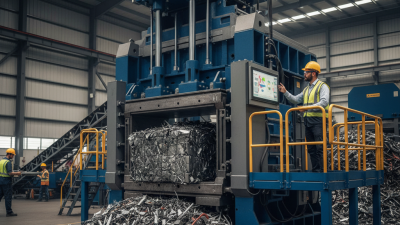
Press bundle scrap metal is compressed, sorted metal waste formed into dense rectangular bales. It commonly contains steel, aluminum, copper-bearing material, or mixed nonferrous pieces. The material is compacted under heavy pressure. That reduces storage space and handling costs.
Its global market value is not one fixed figure. It changes with metal purity, bale density, moisture, contamination, freight rates, and regional demand. A clean aluminum bundle may command a very different price from a steel bundle containing rubber, plastic, or sealed containers. In 2026, buyers should compare published exchange references with local mill discounts and inspection results. Weight alone is not enough. A digital scale ticket, recent photos, chemical analysis, and loading records create stronger evidence. Small contamination can change the final settlement more than expected. That is easy to underestimate.
Sourcing across borders also requires careful documentation, clear material descriptions, and verified recycling facilities. Ask for the alloy or grade, monthly volume, bale dimensions, and moisture-control process. Then calculate the delivered cost, not just the quoted ton price. Some market reports sound precise, yet their categories often combine different metals and regions. That weakens direct comparisons. Better estimates separate ferrous and nonferrous bundles, use current logistics data, and allow for inspection losses.
| Data Dimension | Definition or Typical Requirement | Commercial Relevance | Indicative 2026 Planning Reference | Verification Required Before Purchase |
|---|---|---|---|---|
| Material Definition | Press bundle scrap is ferrous steel scrap mechanically compressed into dense rectangular bales, usually from manufacturing offcuts, sheet trimmings, stamping skeletons, or prepared light-gauge steel. | Creates a more uniform, transport-efficient feedstock for steelmaking and reduces loose-scrap handling costs. | Usually traded as prepared ferrous scrap under customs heading 7204, subject to the importing country’s detailed tariff classification. | Confirm whether the buyer accepts new production bundles, obsolete sheet bundles, or a mixed bundle category. |
| Typical Feedstock | Low-carbon steel sheet, galvanized sheet, black steel offcuts, stamping waste, and other ferrous production remnants. | Clean industrial offcuts normally attract a quality premium over mixed post-consumer light iron. | Preferred material is clean, dry, ferrous, and free from excessive non-metallic attachments. | Request photographs, production description, recent loading records, and an independent inspection. |
| Common Bale Form | Rectangular compressed bundles secured with steel wire or approved strapping. | Consistent bale geometry improves container utilization, crane handling, and unloading safety. | Commercial dimensions vary by baler and buyer; a common planning envelope is approximately 0.30–0.80 m in length, 0.30–0.60 m in width, and 0.30–0.60 m in height. | Measure representative bales and confirm that dimensions are compatible with the receiving mill’s handling equipment. |
| Bulk Density | Density of compressed material including internal voids within the bundle. | Higher density generally lowers freight cost per tonne and reduces handling volume. | Typical planning range: approximately 1.0–1.8 tonnes per cubic metre, depending on material thickness, compaction pressure, and bale shape. | Calculate density from verified bale weight and external dimensions across a representative sample. |
| Bale Weight | Weight of an individual compressed bundle. | Determines loading pattern, lifting requirements, truck payload, and container safety. | Often approximately 300–1,200 kg per bale; smaller or larger bales are possible. | Check weighbridge tickets, scale calibration, and the maximum safe lifting capacity at origin and destination. |
| Ferrous Recovery | Percentage of the shipment that is recoverable steel after removing non-metallic material and unacceptable attachments. | Directly affects the buyer’s usable yield and settlement deductions. | Clean industrial press bundles may target at least 97%–99% recoverable ferrous content, subject to contract terms. | Use an independent sampling and sorting protocol agreed before shipment. |
| Non-Ferrous Attachments | Aluminium, copper, brass, stainless steel, wires, motors, and other non-ferrous components mixed with the bundles. | May create sorting costs, chemistry problems, or quality claims; some non-ferrous content can also increase value if separately recovered. | Target level is normally minimal; many buyers specify a maximum of about 1%–2% total non-ferrous contamination. | Define maximum limits for copper, aluminium, stainless steel, and sealed components separately. |
| Non-Metallic Contamination | Rubber, plastic, wood, glass, soil, stones, textiles, insulation, and other non-metallic materials. | Raises disposal costs and can cause emissions, safety, and furnace-operation issues. | Clean prepared bundles commonly target total non-metallic contamination below 1%–2% by weight. | Specify a rejection threshold, deduction formula, and inspection method in the sales contract. |
| Moisture and Liquids | Water, oil, coolant, chemical residues, and free liquids contained in or adhering to the bundles. | Excess moisture creates weight uncertainty; sealed or liquid-filled items can present serious safety risks. | Material should be dry and free of free liquids; no sealed tanks, cylinders, or closed containers should be included. | Inspect before loading and require a written declaration covering hazardous and pressurized items. |
| Chemistry Risk | Presence of copper, tin, chromium, nickel, molybdenum, or other residual elements in the steel feedstock. | Residual elements can affect the quality of finished steel and may lead to price deductions. | For low-residual steelmaking feed, the buyer may require separate limits for copper and tin; limits are mill-specific. | Request representative laboratory analysis, especially when the source includes plated or mixed automotive sheet. |
| Indicative Value Driver | Base price is generally linked to regional ferrous scrap benchmarks, local steel demand, exchange rates, freight, and the buyer’s furnace economics. | Explains why identical-looking bundles can receive different offers in different destinations. | Planning formula: Net value = benchmark price + quality premium − freight − insurance − duties − inspection and handling costs. | Use a dated quotation with a clear price basis, currency, delivery term, validity period, and deduction schedule. |
| Indicative Transaction Band | Budgeting range for clean, prepared press bundle scrap before destination-specific freight, taxes, and quality deductions. | Provides an initial screening value only; it is not a guaranteed market quotation. | Approximately USD 220–390 per metric tonne for planning scenarios in 2026. Actual prices may fall outside this range. | Compare at least three dated offers and normalize them to the same Incoterm, moisture basis, quality grade, and port. |
| Regional Sourcing Comparison | Indicative pre-freight planning bands for clean press bundles by broad market region. | Useful for comparing source economics without relying on company or brand data. |
North America: USD 230–370/t Europe: USD 240–390/t East Asia: USD 230–380/t South Asia: USD 220–350/t Middle East and North Africa: USD 220–360/t Latin America: USD 220–360/t Oceania: USD 240–380/t |
Validate with current port quotations, local collection costs, export rules, and the destination mill’s acceptance list. |
| Shipment Unit | Press bundles may move by truck, rail, breakbulk vessel, or container, depending on route and bale dimensions. | Transport mode changes freight cost, loading limits, insurance exposure, and documentation requirements. | For preliminary budgeting, evaluate both container and breakbulk alternatives; maximum payload depends on the route, equipment, and legal limits. | Confirm verified gross mass, loading plan, axle limits, container suitability, and port handling charges. |
| Recommended Contract Basis | Price and quality terms should be stated per dry metric tonne or another explicitly defined weight basis. | Prevents disputes over moisture, contamination, short weight, and inspection deductions. | Include grade description, tolerance limits, inspection point, payment milestones, claim period, and dispute procedure. | Have the contract reviewed against destination import law and the buyer’s environmental and safety requirements. |
| Core Sourcing Documents | Commercial invoice, packing or bale list, certificate of origin where required, transport document, weight records, inspection report, and material declaration. | Supports customs clearance, traceability, payment, and quality claims. | Document requirements vary by origin, destination, transport mode, and whether the cargo is classified as waste or recyclable material. | Check current customs, environmental, waste-shipment, hazardous-material, and port regulations before signing. |
| Due-Diligence Priority | Confirm legal source, physical stock, export authorization, ownership, quality history, and payment-bank consistency. | Reduces risks associated with nonexistent cargo, misdescription, illegal waste movement, and non-performance. | Do not rely on certificates or photos alone; use independent inspection and verifiable logistics records. | Verify the seller’s legal identity, facility address, loading authorization, stock availability, and inspection access. |