How to Choose the Best Metal Cutting Shear Machine for Your Needs?
Choosing the right Metal Cutting Shear Machine can be a daunting task. Industry expert James Miller once said, "Selecting the perfect machine requires understanding both your needs and the technology available." This highlights the importance of informed decision-making in today's competitive market.
When considering a Metal Cutting Shear Machine, evaluate the materials you will work with. Some machines excel in cutting sheet metal, while others handle thicker materials. Understanding these specifications will guide your choice and potentially enhance productivity. Weight and portability are also crucial factors. A heavy machine might offer stability but can hinder maneuverability in smaller shops.
Cost plays a significant role in your decision. While investing in a high-quality Metal Cutting Shear Machine can be tempting, it's essential to balance your budget with functionality. Reflect on your long-term needs versus immediate desires. This critical evaluation process can lead to a purchase that meets your current and future requirements effectively.
Understanding Different Types of Metal Cutting Shear Machines
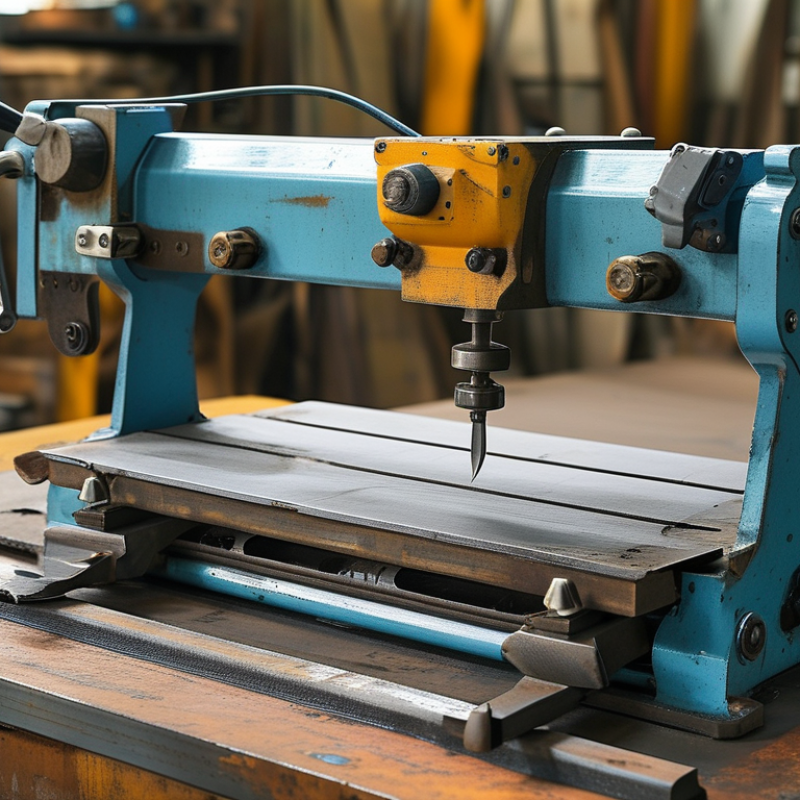
Choosing the right metal cutting shear machine depends on several factors, including the types available. Understanding these options can make a significant difference in your selection process.
Mechanical shears provide a straightforward solution for basic cuts. They are reliable and relatively easy to use. However, their capabilities may not meet the needs of more complex projects. Hydraulic shears, on the other hand, offer precision and can handle thicker materials. They provide more power but tend to be more expensive and require regular maintenance.
Another option is pneumatic shears, which are ideal for lighter cutting work. They are lightweight and can be easily maneuvered. However, their cutting power is limited. Learning about each type's strengths and weaknesses is crucial. Your choice should ideally align with the specific demands of your projects.
Key Features to Consider When Selecting a Metal Cutting Shear
When selecting a metal cutting shear, it’s essential to consider key features that meet your specific requirements. The cutting capacity of the shear should match the materials you intend to work with. Look for machines that can handle the thickness and type of metal you expect to cut. Cutting speed is another important factor. A faster shear may improve productivity, but it might sacrifice precision. Balancing speed and accuracy is crucial.
The design of the shear also impacts usability. Manual vs. automated options offer different levels of control. Automated shears can streamline production but may require more complex maintenance. Consider your workspace; a larger machine requires more space, while compact models are easier to manage but may limit cutting capacity.
Safety features should never be overlooked. A good shear machine must have protective mechanisms to prevent accidents. Regular inspection and maintenance are necessary to ensure long-term reliability. In choosing the right machine, reflect on your specific needs and anticipate how those might change in the future. This thought process can significantly influence your decision.
How to Choose the Best Metal Cutting Shear Machine for Your Needs? - Key Features to Consider When Selecting a Metal Cutting Shear
| Feature |
Description |
Importance |
| Blade Quality |
The material and design of the blades affect cutting precision and longevity. |
High |
| Cutting Capacity |
Maximum thickness and type of metal the shear can cut. |
High |
| Drive Type |
Hydraulic, mechanical, or pneumatic drive types impact performance and efficiency. |
Medium |
| Safety Features |
Emergency stops, safety guards, and anti-slip designs ensure operator safety. |
Very High |
| Portability |
Weight and dimensions that determine ease of movement and storage. |
Medium |
| Maintenance Requirements |
Frequency and type of maintenance needed to keep the shear in good condition. |
High |
| Cost |
Overall investment required for purchase and operation. |
High |
Assessing Your Project Needs and Material Types
When selecting a metal cutting shear machine, understanding your project needs is crucial. Different projects demand various shearing capabilities. This includes considering thickness, type of metal, and the specific cuts required. For instance, aluminum can be cut easily, while thick steel needs a more robust machine. Recognizing the dimensions and volumes of materials will ensure you choose a suitable shear.
Material types also play a significant role in decision-making. Some machines excel with certain metals. Shears that handle softer materials may struggle with harder alloys. Assessing the hardness and flexibility of the metal can prevent future headaches. Weight and the size of the shear matter, too. You should consider workplace layout and mobility for optimal efficiency. Furthermore, reflect on the power supply options available; not all machines suit every environment.
It's beneficial to evaluate your long-term goals. A machine suited for small projects may not suffice as demands grow. Sometimes, overestimating needs can lead to regret. A balance between capacity and necessity often leads to better choices. Ultimately, understanding your project needs and material types will streamline the selection process. It requires diligence and foresight, ensuring you invest wisely in a machine that will serve you well.
Budgeting for Your Metal Cutting Shear Machine Purchase
When budgeting for a metal cutting shear machine, consider your specific needs. The initial purchase price is important, but don't overlook ongoing costs. A recent industry report highlighted that operational costs can account for up to 30% of total ownership expenses. This includes maintenance, electricity, and potential tooling changes.
Selecting a shear machine based solely on price can be misleading. High-quality machines may have a higher upfront cost, but often result in lower maintenance needs and increased efficiency. In fact, investing in advanced technology can lead to a productivity increase of 25% or more.
Assess the return on investment (ROI) carefully. A cheaper machine might seem attractive, but if it requires frequent repairs or lacks precision, it can cost you more in the long run. Analyze your production volume and material types. Make informed decisions based on reliable industry data to ensure you choose a shear machine that provides value over time.
Comparison of Metal Cutting Shear Machine Prices by Type
Maintenance and Care Tips for Long-lasting Performance
Maintaining a metal cutting shear machine is essential for optimal performance. Regular upkeep keeps it running smoothly and extends its lifespan. Dust and debris can build up, affecting accuracy. Clean the machine after each use, paying special attention to the cutting area. Proper cleaning helps prevent rust and wear on the blades.
Lubrication is another crucial aspect. Use the right oil to lubricate moving parts. This reduces friction and heat build-up. A well-lubricated machine operates more efficiently. Check the lubrication points regularly, not just occasionally. Neglecting this task can lead to costly repairs.
Inspect blades for wear and dullness. Sharp blades are key for clean cuts. Replace them when necessary. Avoid using excessive force, as this may cause damage. Keeping a watchful eye on these details ensures your shear machine remains reliable. Each step can seem small but contributes significantly to long-lasting performance. Engage in reflection on maintenance practices for continuous improvement.