Top 10 Metal Cutting Shear Machines You Should Know About?
In the fast-evolving world of manufacturing, understanding the latest advancements in metal fabrication is crucial. Dr. Emily Richards, an expert in metal cutting technologies, emphasizes, "The efficiency of a Metal Cutting Shear Machine can dramatically enhance production rates." This statement highlights the growing importance of selecting the right machinery in an industry where precision and speed are key.
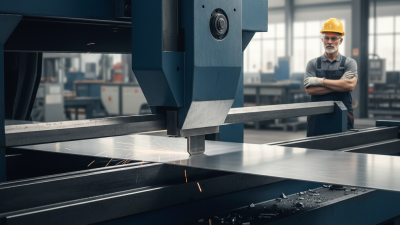
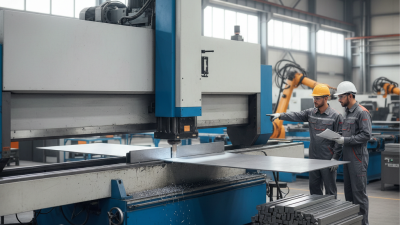
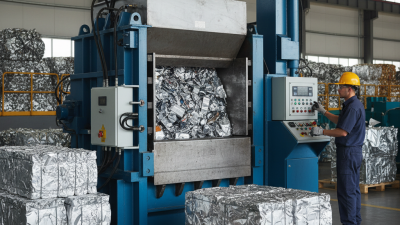
Metal Cutting Shear Machines play a vital role in shaping and forming metal components. These machines vary in size, capability, and technology. From hydraulic shear to guillotine styles, each type presents unique advantages. Professionals in the industry often face challenges in knowing which machine best suits their needs. Selecting a shear machine is not merely about choosing the most popular option; it requires careful consideration of productivity and material type.
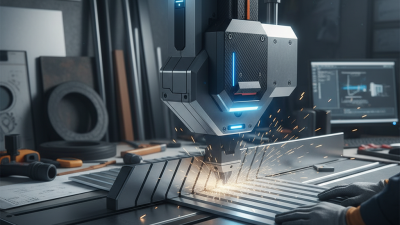
With advancements in technology, newer models incorporate automation and digital controls. However, this rapid innovation can lead to confusion for many operators. The pressure to keep up can overshadow the importance of understanding operational nuances. Reflecting on the features of each model, operators must prioritize reliability and user-friendliness. Ultimately, the right Metal Cutting Shear Machine not only impacts production efficiency but also ensures safety and quality in the manufacturing process.
What Are Metal Cutting Shear Machines?
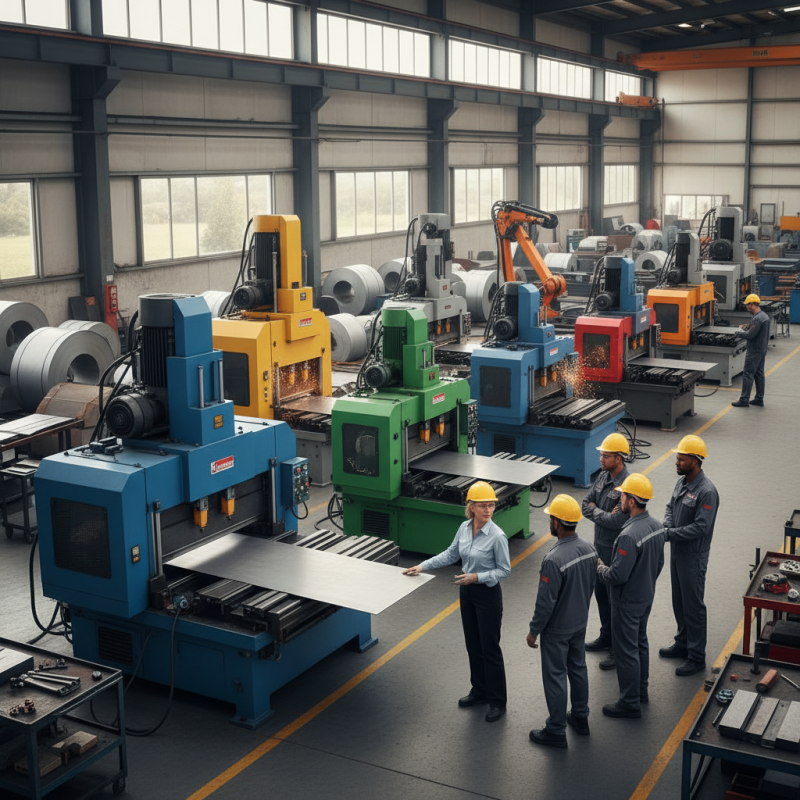
Metal cutting shear machines are essential in various industries, including manufacturing and metal fabrication. They enable precise cutting of metal sheets into desired shapes and sizes. According to industry reports, the market for shear machines is projected to grow at a CAGR of 4.8% through 2025. This growth reflects the increasing demand for efficient and accurate metal processing tools.
These machines come in various types, including hydraulic, mechanical, and pneumatic. They are chosen based on the specific requirements of the tasks at hand. Hydraulic shear machines, for instance, are favored for their ability to handle thick materials with ease. Their operational capacity can generally handle steel sheets ranging from 2 mm to 20 mm thick. On the other hand, mechanical shears are often preferred for lighter materials and provide high-speed operation.
Tips: Regular maintenance is crucial. Inspect blades frequently for wear and tear. A dull blade can lead to inaccurate cuts and increased production costs. Safety procedures should also be followed to prevent accidents during operation. Using personal protective equipment (PPE) should never be neglected. Even minor lapses in safety can cause serious injuries.
Understanding the capacity and limitations of each shear type is vital. Incorrect usage can lead to machine breakdowns and operational delays. It's important to assess your needs and seek professional advice if unsure. This careful approach will ensure a more efficient cutting process.
Key Features of Effective Metal Cutting Shear Machines
When considering metal cutting shear machines, several key features stand out.
Precision cutting is paramount.
A well-designed shear should offer consistent cuts with minimal waste. In the metalworking industry, studies indicate that
precision can enhance production efficiency by up to 30%. Thus, machines that incorporate
advanced technology for accurate measurements are highly valued.
Another crucial aspect is durability. The longevity of a shear machine can dramatically affect overall costs.
Machines made with high-quality materials tend to last longer. Reports suggest that businesses can save up to
25% on maintenance costs by opting for robust equipment.
Moreover, user-friendly controls enhance effectiveness. An intuitive interface allows workers to operate machines efficiently,
reducing the likelihood of errors.
Flexibility also plays a significant role in the effectiveness of shear machines.
Being able to cut various thicknesses and types of metal increases versatility. For instance, machines capable of handling
mild steel, aluminum, and stainless steel can appeal to a broader client base. Yet, some machines fall short in this regard,
with operators facing challenges when switching materials. This highlights the need for thoughtful design and employee training
to maximize machine capabilities.
Top 10 Metal Cutting Shear Machines Overview
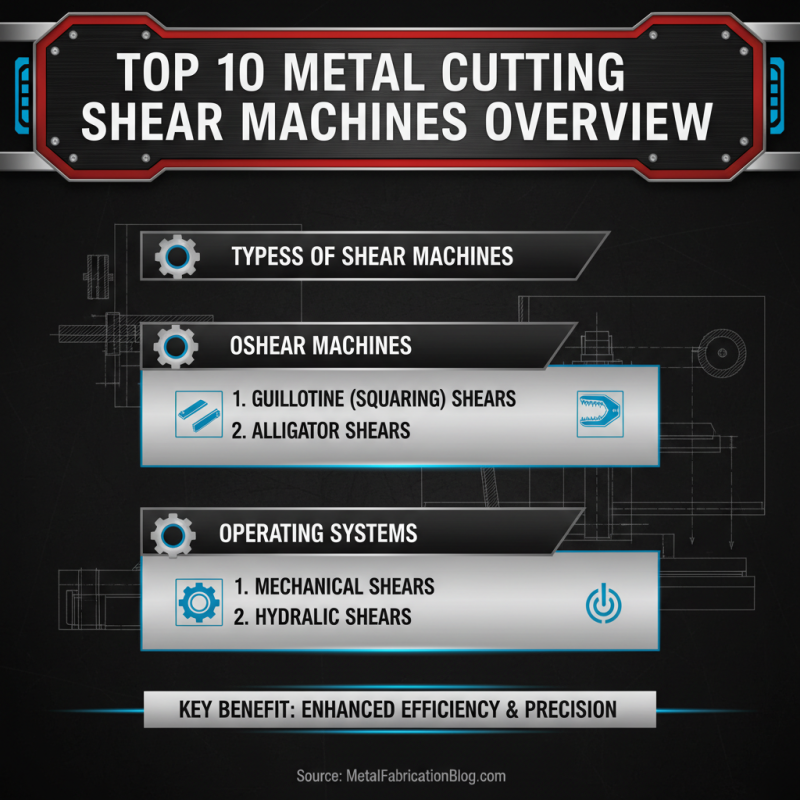
When considering metal cutting shear machines, it's essential to understand their varied capabilities. These machines come in different types, each designed for specific tasks. Shear machines utilize either mechanical or hydraulic systems. Understanding these systems can greatly enhance efficiency in metal fabrication.
The key factors in choosing a shear machine are cutting capacity, blade material, and safety features. Some machines excel in cutting thicker materials but may lack precision. Others are lightweight and portable, yet they struggle with heavier tasks. Visualizing these parameters helps in making an informed decision. A common mistake is overestimating a machine's capabilities based on brand reputation.
Moreover, maintenance is often overlooked. Proper upkeep ensures longevity and optimal performance. Neglecting this aspect leads to frequent breakdowns and costly repairs. Users must reflect on their specific needs and usage patterns. The right shear machine can increase productivity, but only if it's well-matched to the job and diligently maintained.
Factors to Consider When Choosing a Metal Cutting Shear Machine
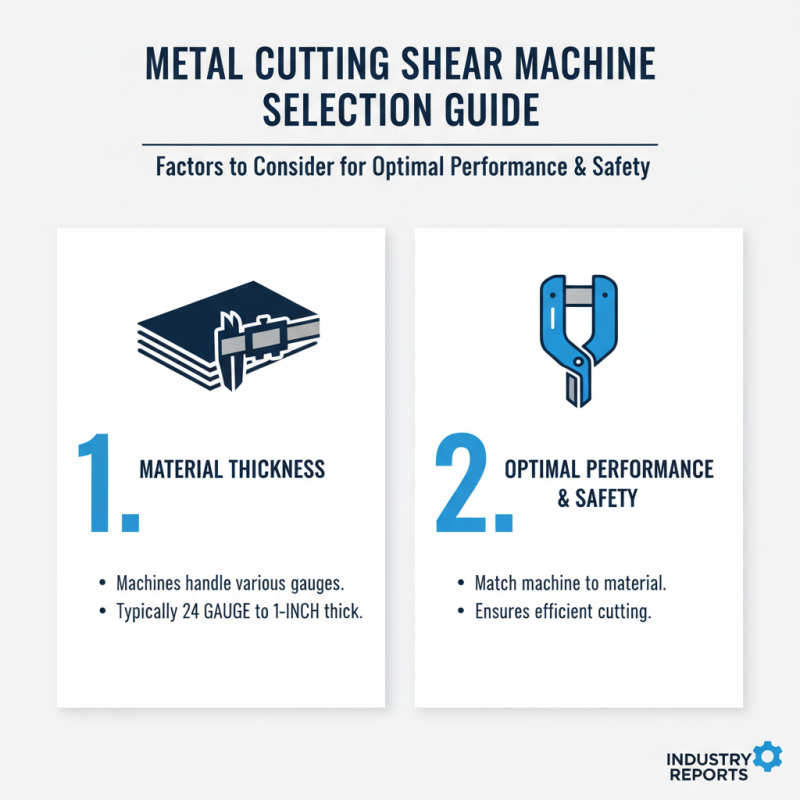
When selecting a metal cutting shear machine, several key factors come into play. A primary concern is the thickness of material. Machines handle various gauges differently. According to industry reports, shears can typically cut metals ranging from 24-gauge to 1-inch thick. Knowing your material's thickness ensures optimal performance and safety.
Additionally, consider the machine's cutting capacity. Different machines boast varied lengths of cut capacity, impacting workflow efficiency. The average cutting length for industrial models is about 10 feet. However, this might not fit every shop's space or cutting needs. An oversized machine can lead to difficulty in operation and increased costs.
Another crucial aspect is the machine's drive type. Hydraulic and mechanical shears offer distinct advantages in cutting precision and speed. For instance, hydraulic models are often praised for smoother cuts. Conversely, mechanical options provide greater speed for lighter materials. Each type should be reflected upon carefully, weighing the operational demands against budget constraints. Balancing machine specifications with practical needs can improve effectiveness in metalworking processes.
Maintenance Tips for Optimal Performance of Shear Machines
Maintaining shear machines is vital for their longevity and performance. Regular cleaning is essential. Dust and debris can accumulate, leading to reduced efficiency. Ensure that the cutting blades are free from any build-up. A clean machine operates more smoothly and accurately.
Lubrication is often overlooked but crucial. Apply appropriate lubricants to moving parts to minimize wear and tear. Too little lubrication can lead to increased friction, causing damage. Schedule oiling sessions periodically to keep the machine running effectively.
Regular inspection of the blade sharpness is important. Dull blades can lead to uneven cuts, wasting material and time. Replace blades when needed, as this will result in better performance. Ignoring blade conditions can lead to significant issues down the line. A proactive approach can save costs in repairs and enhance productivity.
Top 10 Metal Cutting Shear Machines You Should Know About
| Machine Type |
Max Cutting Thickness (mm) |
Cutting Speed (m/min) |
Weight (kg) |
Power (kW) |
| Hydraulic Shear |
10 |
15 |
750 |
5.5 |
| Mechanical Shear |
8 |
25 |
500 |
4 |
| Guillotine Shear |
12 |
20 |
900 |
7.5 |
| Swing Beam Shear |
6 |
30 |
450 |
3 |
| Plasma Cutter |
20 |
45 |
300 |
6 |
| Laser Cutter |
15 |
50 |
350 |
8 |
| CNC Shear |
10 |
32 |
600 |
5 |
| Notching Machine |
5 |
10 |
200 |
2 |
| Bench Shear |
4 |
12 |
150 |
1.5 |
| Hydraulic Metal Shear |
14 |
18 |
800 |
6 |