2026 Best Scrap Metal Shear for Efficient Metal Recycling?
Efficient metal recycling is crucial in today's world. Scrap Metal Shear plays a key role in this process. It helps reduce metal waste and promotes environmental sustainability. The right scrap metal shear can enhance productivity while minimizing operational costs.
Choosing the best scrap metal shear requires careful consideration. Various models are available, each offering different features and capabilities. Some may excel in power, while others emphasize precision. Evaluating their strengths and weaknesses is vital for optimal performance.
In 2026, advancements in technology promise to improve scrap metal shears further. Increased automation and innovative designs are driving these changes. Users must stay informed to select the most effective tools. It's essential to reflect on past choices and learn from them for future upgrades.
Key Features to Consider When Choosing a Scrap Metal Shear
When selecting a scrap metal shear, several key features are crucial for effective use. Blade design plays a vital role. Sharp, durable blades cut through various metal types easily. Consider the shear's cutting capacity. Ensure it matches your project needs. Whether processing thin sheets or thick plates, it's essential to have the right tool for the job.
Another important aspect is the shear's portability. A lightweight design facilitates easy movement, making operations more flexible. If your workspace is small, a compact shear can save space. Moreover, examine the safety features offered. Emergency stops and protective guards can prevent accidents, creating a safer working environment.
Storage and maintenance requirements also influence your choice. Regular maintenance ensures longevity and efficiency. Keep replacement parts available to minimize downtime. Reflect on your workflow to identify improvements. Taking time to evaluate these features can enhance your recycling processes significantly.
Types of Scrap Metal Shears Suitable for Efficient Recycling
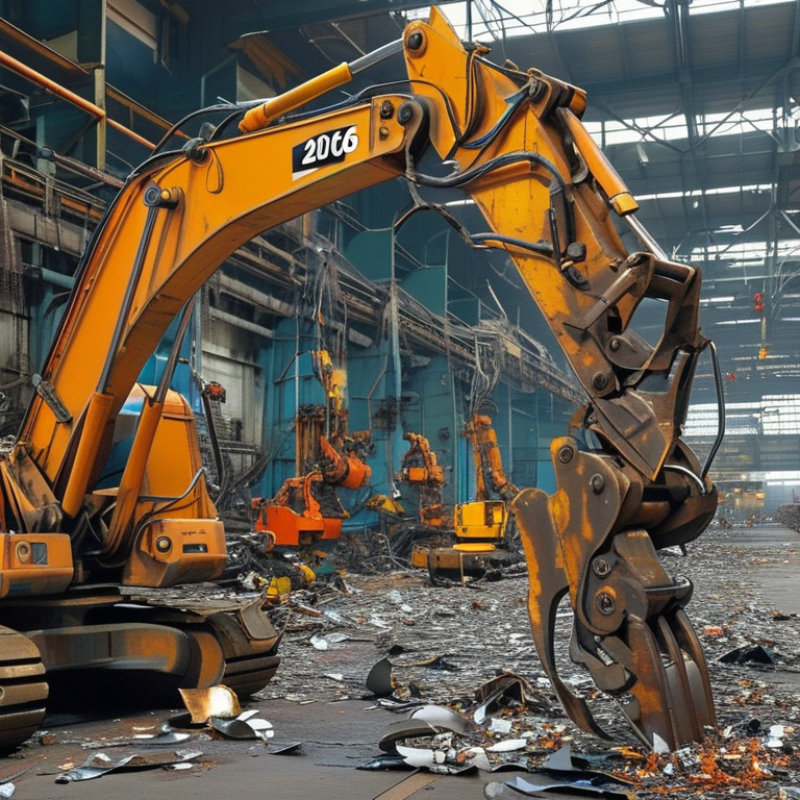
When it comes to efficient metal recycling, the type of scrap metal shear you choose plays a crucial role. There are several options available, each suitable for different types of materials. Hydraulic shears, for instance, are popular due to their power and efficiency. They can effortlessly cut through thicker metals, which makes them ideal for industrial environments. Their ability to handle large volumes optimizes the recycling process, maximizing output.
Another option is the guillotine shear. This type is known for its precision and speed. It’s effective for lighter materials and smaller scrap pieces. Many recycling facilities prefer guillotine shears because they produce clean cuts. Clean cuts simplify sorting and storage, enhancing overall workflow. However, those who use this type often report that the speed can lead to inaccuracies if not monitored closely.
Lastly, rotary shears offer versatility in handling various metal types. They work well in recycling operations that process mixed metals. These shears can quickly adapt to different materials, which is crucial for high-efficiency recycling. The trade-off is potential wear and tear, especially when cutting tougher metals. Users must regularly assess blade condition to maintain performance. Such attentiveness helps avoid costly breaks in production flow.
Top Brands and Models of Scrap Metal Shears in 2026
In 2026, the landscape of scrap metal shears is evolving significantly. Industry reports suggest a growing demand for efficiency and precision in metal recycling. As metal recycling enhances sustainability efforts, choosing the right equipment becomes crucial. The best models now focus on powerful motors and advanced cutting technology. This ensures faster processing of materials with minimal waste, contributing to both operational efficiency and economic benefits.
Notable trends show that lightweight designs are gaining traction. This allows for easier handling and mobility. In addition, enhanced safety features are a priority for many manufacturers. Data indicates that 40% of accidents in metal processing occur due to equipment misuse. Therefore, having intuitive controls and automatic shutdown features can mitigate risks. Many operators are still learning to fully utilize these innovations, indicating a need for ongoing training and support.
Performance metrics reveal that newer models can handle thicker metals with ease. Some shears are now cutting through materials up to 1 inch thick while maintaining accuracy. However, not all users achieve these results. Inconsistent maintenance practices often lead to decreased performance. Stakeholders must prioritize proper upkeep to ensure longevity and efficiency in their operations.
Maintenance Tips for Extending the Life of Scrap Metal Shears
To ensure your scrap metal shear operates efficiently, regular maintenance is crucial. Proper care can significantly extend the lifespan of your equipment. According to industry studies, regularly serviced shears can last up to 25% longer than those that are neglected. This not only saves costs in the long run but also enhances productivity in metal recycling operations.
Regularly check the blade alignment. Misaligned blades can cause unnecessary wear, leading to increased operational costs. Inspect the blades after every 100 hours of use.
Sharpening the blades is essential too. A sharp blade reduces strain on the motor and enhances cutting efficiency. These small steps contribute to a more effective recycling process.
Keep the shear clean and lubricated. Dust and debris can hinder performance. A clean machine operates better and has fewer breakdowns. Focus on cleaning the hydraulic system as well. It’s vital for the shears to function optimally. Remember, sometimes it’s easy to overlook these details. However, neglecting maintenance can lead to costly repairs and downtime in your recycling efforts.
Safety Protocols When Operating Scrap Metal Shears
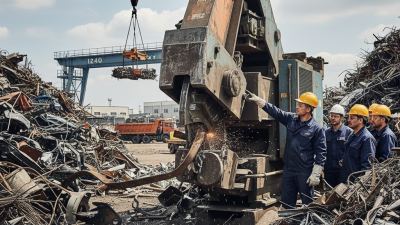
Operating scrap metal shears requires a strong understanding of safety protocols. Before starting, ensure all personnel wear protective gear. This includes gloves, goggles, and steel-toed boots. Metal shears can produce sharp debris, so proper attire is essential. Operators should be trained to recognize hazards and respond quickly to any unsafe situations.
Regular maintenance of the shear enhances safety. Check for loose parts or damaged blades before each use. Schedule routine inspections to catch issues early. An ignored maintenance routine can lead to accidents. A clean workspace also contributes to safety. Clear away any clutter that might obstruct movement or create trip hazards.
Communication is key. Operators should signal when starting and stopping the shear. Clear signals reduce misunderstandings. Everyone in the area should be aware of the machine's operation. It’s important to create an environment where workers feel comfortable voicing concerns. Encouraging feedback can lead to discovering overlooked safety measures. Ensuring everyone is on the same page about safety can make a significant difference in accident prevention.