Choosing the right Non Ferrous Baler can shape your recycling costs, workplace safety, and daily production rhythm. Aluminum cans, copper wire, brass fittings, and other valuable metals behave differently under pressure. A machine that handles light cans well may struggle with dense copper scrap. The choice deserves more than a quick comparison of price and motor power.
Experienced recycling operators usually examine the complete working process. They check the feed opening, compression force, bale density, cycle time, and discharge method. They also inspect wear points, hydraulic components, guarding, and emergency controls. Small details matter. A narrow chamber can slow loading when bulky scrap arrives. Weak tying systems can leave unstable bales on the storage floor. These problems may not appear during a short demonstration.
This guide presents seven practical tips for evaluating equipment with clearer judgment. It considers material type, required throughput, bale size, energy use, maintenance access, operator safety, and supplier support. Reliable manufacturers should provide technical specifications, realistic performance data, service guidance, and suitable documentation for the buyer’s region. Independent references can strengthen that assessment.
Do not chase the largest machine automatically. Oversized equipment may consume more energy and occupy valuable floor space. A smaller unit may be unsuitable for a busy yard, however. That tension is easy to overlook. Careful buyers compare actual scrap volumes, peak workloads, available power, and future expansion plans. The ideal Non Ferrous Baler is not simply the strongest option. It is the safest, most serviceable, and most economical fit for the work.
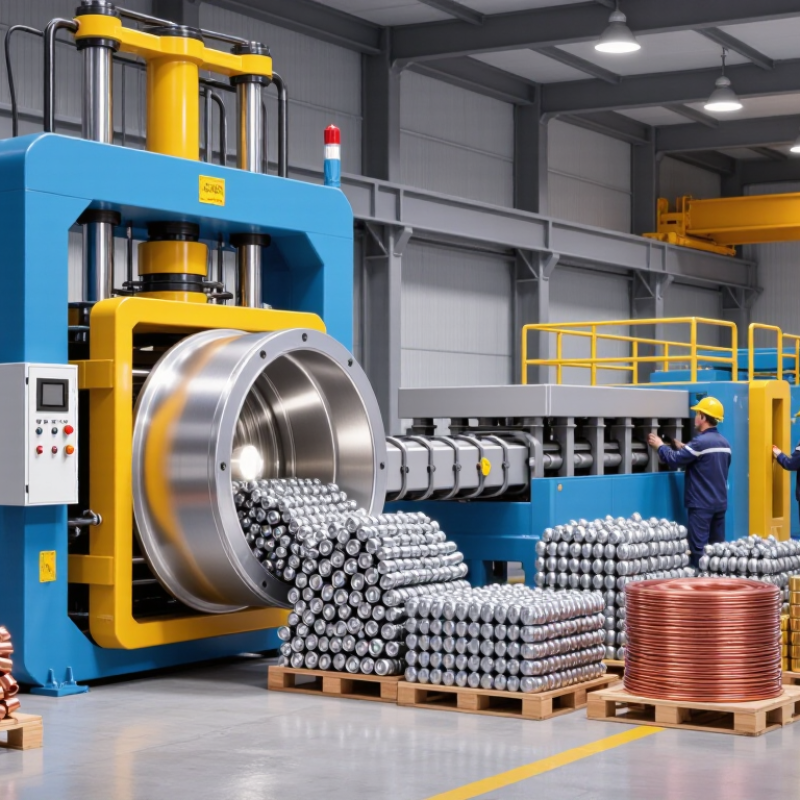
Define your metal mix before comparing machines. Aluminum cans, copper wire, brass turnings, and insulated cable compress differently.
Tip: Separate clean sheet from tangled material.
Tip: Record daily volume, bale weight, and peak loading hours.
A small yard processing 2 tons daily needs different capacity from a facility handling 20 tons. The Institute of Scrap Recycling Industries reports that recycled non-ferrous metals remain valuable because they retain material quality through repeated processing. However, value drops when grades are mixed.
Tip: Measure your feedstock’s longest pieces and moisture exposure.
Tip: Check whether the baler accepts loose cans, clips, or dense bundles.
A narrow chamber may create attractive bales but cause frequent bridging.
Tip: Match bale density to your buyer’s handling equipment.
The International Aluminium Institute states that recycled aluminum requires about 5% of the energy used for primary aluminum production. That advantage depends on clean, efficiently separated material.
Small errors matter. I once underestimated wire spring-back, creating unstable bales and slower tying.
Tip: Compare hydraulic force, cycle time, and chamber dimensions together.
Tip: Ask for maintenance records and test the emergency-stop response.
The U.S. Geological Survey’s Mineral Commodity Summaries consistently identifies aluminum and copper as major recycled materials in industrial supply chains.
Choose a machine with replaceable wear parts, accessible oil filters, and clear pressure controls. Also inspect noise, floor space, power supply, and operator visibility.
A higher tonnage rating is not automatically better. Your actual metal types should decide the specification.
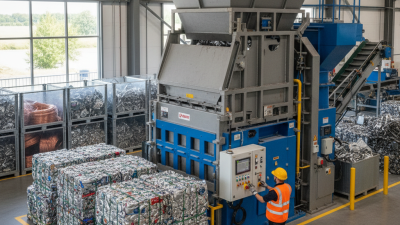
Choosing a non-ferrous baler starts with the material, not the advertised tonnage. Aluminum cans, copper wire, and brass turnings behave differently under pressure. In practical equipment evaluations, two-ram designs often provide stable compression for mixed scrap. Vertical models can save floor space, but they may require more manual loading.
Check chamber dimensions, feeding height, tying methods, and maintenance access before comparing prices. A convenient design often saves more labor than a higher pressure rating.
Tip 1: Match pressing capacity to your daily volume. A large force rating does not automatically mean faster production. Review cycle time, motor power, and the recommended material range.
Tip 2: Compare bale density using actual samples. Dense bales are easier to store and transport, but excessive pressure can damage soft materials or create difficult-to-handle bundles. Ask for measured bale weight, dimensions, and density, not general claims.
Moisture, loose wire, and uneven loading can change results. Test the baler with your own material, if possible. I have seen a machine perform well with clean aluminum but struggle with tangled copper cable. That result was not obvious from its specification sheet. Consider bale stability, ejection reliability, noise, and operator visibility. My earlier assumption was that maximum pressure was always better. It was not. A balanced machine usually delivers more consistent bales, lower wear, and fewer interruptions during a normal shift.
Choosing the best non-ferrous baler starts with measurable throughput, not headline pressure ratings. The International Aluminium Institute reports that recycled aluminium uses about 5% of the energy required for primary production. That advantage disappears when a slow baler creates bottlenecks. Compare rated cycles with your real material mix, including bulky profiles, loose cans, and contaminated loads. Ask for production data from similar facilities. A machine rated at 1,000 kilograms per hour may deliver less under uneven feeding.
Automation should reduce decisions, not remove human judgment. Sensors can detect chamber fullness, adjust compression cycles, and alert operators before wire or hydraulic issues become downtime. The IEA’s Energy Technology Perspectives identifies aluminium as an electricity-intensive industry, so efficient motor control deserves attention. Check standby power, cycle consumption, and recovery settings. Small savings repeat every shift.
Ease of operation is often underestimated. A clear control panel, safe access points, and quick maintenance procedures protect both uptime and operator confidence. I have seen teams choose advanced controls, then bypass them because the interface felt confusing. That is a useful warning. Test the baler with your actual feedstock, not clean demonstration material. Record bale density, cycle time, noise, and reset frequency. Review the figures after several shifts. Early estimates can be wrong.
7 Tips for Choosing the Best Non Ferrous Baler?
Safety should be the first practical filter when comparing a non ferrous baler. Check whether guards cover moving parts and whether access doors use reliable interlocks. Test the emergency stop before accepting performance claims. It should stop the machine quickly and reset only through a deliberate action. Ask for clear operator training materials and visible warning labels. Small details matter. Inspect the chamber, hinges, and welds for reinforced construction. Thick steel, protected hydraulic lines, and stable control cabinets can support years of demanding use. Still, heavy appearance does not prove durability. Request load ratings, duty-cycle information, and inspection records.
Maintenance support deserves equal attention. Ask how quickly common seals, filters, sensors, and cutting components can be supplied. Confirm whether technicians provide remote guidance, on-site service, and practical troubleshooting documents. A machine that sits idle for days can cost more than a cheaper purchase price. Review the maintenance schedule carefully, including lubrication points and cleaning access. Easy access reduces skipped inspections. Keep a written service log from the first operating day. It helps identify unusual noise, heat, or slow compression before failures grow. One point is easy to overlook: calculate support availability in your region, not only the equipment specifications. Promises may sound strong, but response times should be confirmed in writing.
| Tip | Selection Dimension | What to Check | Practical Evaluation Criteria | Why It Matters |
|---|---|---|---|---|
| 1Confirm Material Compatibility | Material range and feed characteristics | Verify that the baler is designed for the specific non-ferrous materials being processed, such as aluminum cans, copper wire, brass, or mixed non-ferrous scrap. | Review the permitted material size, moisture level, contamination limits, and any restrictions on sealed containers or hazardous items. | Correct material compatibility helps prevent blockages, excessive wear, unsafe pressure conditions, and inconsistent bale quality. |
| 2Check Safety Features | Operator protection and emergency control | Look for accessible emergency-stop controls, guarded moving parts, a protected compression chamber, door or gate interlocks, and clear safety labels. | ✓ Prefer: safety devices that stop hazardous motion when an access door is opened, supported by documented inspection and reset procedures. | Balers contain high-force moving components. Physical guarding and interlocks reduce the risk of crushing, entanglement, and unexpected machine movement. |
| 3Evaluate Hydraulic and Structural Durability | Frame, ram, chamber, and hydraulic system | Inspect weld quality, frame rigidity, cylinder mounting, hydraulic hose routing, fittings, ram alignment, and protection against abrasion. | Request documented load ratings, operating limits, inspection points, and evidence that components are suitable for the intended duty cycle. | A rigid structure and properly protected hydraulic system can reduce downtime caused by fatigue, leaks, misalignment, or premature component failure. |
| 4Match Capacity to Throughput | Feed opening, bale size, cycle time, and duty cycle | Compare the required hourly material volume with the machine's stated throughput, feed opening, chamber dimensions, bale weight range, and cycle time. | Allow for variations in material density and operator loading. Use measured or documented performance data rather than relying only on nominal motor power. | Correct sizing avoids overloading, reduces waiting time, and helps maintain consistent bale density without forcing the machine beyond its intended operating range. |
| 5Assess Bale Quality and Handling | Bale density, shape, tying, and discharge | Check whether the machine provides repeatable bale dimensions, stable compression, secure tying or strapping options, and a controlled discharge process. | Confirm that the finished bale fits the available storage, transport, and downstream recycling requirements. Test representative material before purchase when possible. | Uniform bales are easier to stack, store, transport, weigh, and process, while controlled discharge helps limit manual handling risks. |
| 6Review Maintenance Requirements | Inspection, lubrication, cleaning, and service access | Ask for the maintenance schedule, hydraulic-fluid requirements, filter specifications, lubrication points, wear-part list, and cleaning procedure. | ✓ Look for: easily accessible service points, clear maintenance instructions, diagnostic indicators, and a documented lockout/tagout procedure. | Routine inspection and servicing help identify leaks, loose fasteners, damaged guards, worn seals, and other issues before they become costly failures. |
| 7Verify Training and Support | Documentation, spare parts, installation, and technical assistance | Confirm that operating manuals, risk information, parts diagrams, training materials, and commissioning guidance are available in a language the operators understand. | Evaluate spare-parts availability, response procedures, technician coverage, warranty terms, and the clarity of preventive-maintenance records. | Reliable support improves safe operation, shortens troubleshooting time, and helps maintain compliance with workplace safety and equipment procedures. |
Calculate total ownership costs before comparing purchase prices. Include electricity, labor, wire, maintenance, hydraulic oil, downtime, and expected resale value. A cheaper machine may consume more power during long production shifts. Ask the supplier for realistic output figures using your actual aluminum, copper, or brass scrap. Request test data, not optimistic estimates.
Tip 1: Build a five-year cost sheet. I once underestimated maintenance labor, and the error affected the investment decision.
Examine the baler’s working conditions. Measure bale density, chamber size, feeding time, and cycle speed against your daily material flow. Operators should access controls safely and clean the chamber without awkward movements. Record noise, vibration, and oil temperature during a trial. Small details become expensive when repeated every day.
Tip 2: Test your own material before signing. A sample bale can reveal problems that brochures hide.
Supplier reliability deserves equal attention. Check technician response times, spare-parts availability, warranty coverage, and training arrangements. Ask for references from facilities with similar volumes and material grades. Reliable support should include clear service contacts and written maintenance schedules. Confirm whether critical parts can arrive within your acceptable downtime window.
Tip 3: Put service promises into the contract. Do not rely on friendly conversations. Also, review the supplier’s technical documents carefully. Missing details may reflect poor preparation, though sometimes simple oversight is possible. Keep a contingency allowance for repairs, because even well-built equipment can fail unexpectedly.