Leave Your Message

2026 Top Hydraulic Metal Baler Types for Global Buyers?

Global buyers choosing a Hydraulic Metal Baler face a practical question: which machine fits their scrap, throughput, and site conditions? Steel scrap arrives in many forms, from thin sheet offcuts to bulky structural pieces. A baler that handles one stream well may struggle with another. The details matter.

World Steel Association data put global crude steel production at about 1.89 billion tonnes in 2024. That scale helps explain the importance of efficient scrap handling, though production volume alone cannot predict a buyer’s requirements. The International Aluminium Institute reports that recycling aluminium can use up to 95% less energy than producing primary aluminium. For operators, compacted bales can simplify storage and transport, but results depend on material mix, machine design, and operating practice.

There is no universal best type. Horizontal and vertical balers serve different space, feed, and output needs. Chamber size, pressing force, cycle time, bale dimensions, and service access deserve close inspection. A specification sheet is only a start. Real feed trials matter.

This guide compares the main Hydraulic Metal Baler types for global buyers and highlights trade-offs that deserve a second look. No source articles were supplied, so I cannot responsibly provide a verifiable, named expert’s quotation. Better to leave that gap visible than invent authority.
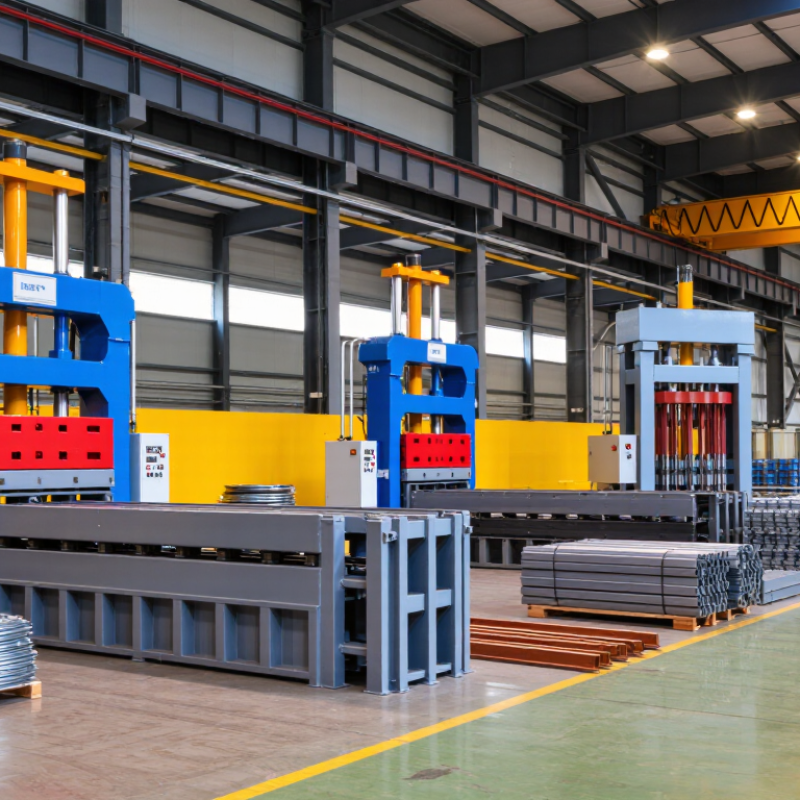
2026 Top Hydraulic Metal Baler Types for Global Buyers?

How Hydraulic Metal Balers Compress and Shape Scrap

A hydraulic metal baler uses a pump, cylinders, and a moving ram to compress loose scrap inside a steel chamber. Operators load prepared material, such as sheet offcuts or cans, then close the chamber door before starting the press cycle. The ram pushes scrap against a fixed surface, reducing air gaps and forming a denser bundle. Pressure and chamber design affect the bale’s size and firmness. It is not magic.

Different baler layouts suit different working patterns. A vertical baler often handles smaller batches, while a horizontal machine can process larger or more regular feed streams. Once the material is compressed, operators secure the bale with suitable ties or straps, then eject it for storage or transport. Clean, consistent loading helps produce stable shapes; mixed sizes can leave uneven edges. That detail is easy to overlook. A tightly packed bale may still spring back if the material is resilient or the tying is poor. Buyers should compare chamber dimensions, ram force, cycle time, and safe loading procedures against the scrap they actually handle. There is no perfect setting for every material, so trial runs and routine inspection matter.
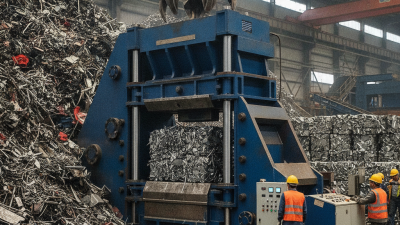

Main Baler Types by Loading Method and Compression Direction

Hydraulic metal balers are commonly compared by how scrap enters the chamber and how the ram compresses it. These details affect loading space, material flow, and bale shape. Top-loading machines accept scrap from above, often by crane or loader. They can handle bulky pieces, but need clear overhead access. Side-loading designs receive material through a side opening, which may suit a yard with limited headroom. Check the opening dimensions against the actual scrap, not just the machine’s rated capacity.

Compression direction shapes the machine’s working pattern. Vertical balers press downward and usually suit smaller batches, such as offcuts collected beside a cutting line. They take less floor space, but operators may need to load material more often. Horizontal balers compress along the chamber’s length and can support steadier, higher-volume feeding. Some designs use two-way or three-way compression to form denser bales from irregular scrap. The extra force paths can help, though they may also mean more components to inspect.

Match the feed method to the handling equipment already on site. A loader bucket, crane magnet, and hand-fed cart each need different clearances. Measure these before choosing. Bale size matters too. A compact bale is not always easier to move if it exceeds the forklift’s safe load. Still, specifications rarely capture every yard’s habits; operators may load scrap less evenly than a catalog assumes. That difference deserves a practical trial.

Which Baler Types Suit Different Metals and Scrap Conditions

Choosing a hydraulic metal baler starts with the scrap, not the machine’s headline pressure. Clean, dry aluminium cans and light sheet often suit a vertical baler at smaller sites. It produces compact bundles without demanding a large floor area. For steady, high-volume scrap, a horizontal baler can feed and compress material continuously. Steel plate offcuts and bulky sections may need a shear baler to cut and compact them. Check the longest pieces first; they can jam a feed opening even when the press force looks ample.

Turnings behave differently. Loose steel or aluminium chips can spring back, trap coolant, and form uneven bales. A briquetting press is often better for dry, clean turnings, while wet material needs suitable fluid collection and handling. There is no perfect fit. The International Aluminium Institute reports that recycling aluminium uses about 5% of the energy required for primary production, making efficient scrap recovery valuable. That figure describes recycling, not a guaranteed saving from any baler. Buyers should compare bale density, cycle rate, loading method, and service access using their own scrap. A small trial batch can expose awkward feed problems before installation. It is not glamorous, but it matters.

Mixed non-ferrous scrap may suit a two-ram baler when materials vary in shape or density. Separate copper, brass, and aluminium where practical; mixed loads can reduce bale consistency and resale value. Ask suppliers for test results using representative scrap, including oily pieces, thin sheet, and long offcuts. Also measure the doorway. A well-sized press is useless if the finished bale cannot leave the building.

Key Capacity, Safety, and Automation Features to Compare in 2026

Choosing a hydraulic metal baler in 2026 starts with the material and daily volume, not the largest capacity figure. Vertical balers suit compact sites and smaller batches. Horizontal models handle steadier, higher-volume feeding, while two-ram designs can manage varied scrap streams. Compare chamber size, bale dimensions, motor duty cycle, and actual tonnes processed per shift. A larger machine may sit idle if incoming material is inconsistent. There is no perfect number.

Safety and automation deserve equal attention. Check for guarded compression zones, accessible emergency stops, and clear interlocks that prevent operation during servicing. Ask how faults appear on the control panel and whether operators can adjust cycle settings safely. Automatic bale tying or ejection can reduce repetitive handling, but added controls need training and maintenance. Simple systems may be easier to troubleshoot; that trade-off is worth considering.

Tips: Request a trial using representative material. Record cycle time, bale weight, and operator handling steps. Confirm service access and spare-part availability before comparing quotes. Small details matter. A tidy specification sheet cannot show every real-world bottleneck.

2026 Top Hydraulic Metal Baler Types for Global Buyers? - Key Capacity, Safety, and Automation Features to Compare in 2026

Baler type Typical feed material Capacity profile Capacity figures to compare Bale or output characteristics Typical automation level Safety features to verify Common fit
Vertical hydraulic baler Light, loose metal scrap such as cans and thin sheet offcuts; suitability depends on the machine design. Low to medium; generally suited to intermittent or smaller-volume processing. Rated pressing force; chamber dimensions; bale dimensions and weight; cycle time; duty cycle. Compact bales; operators commonly load and remove material manually or with handling equipment. Usually manual or semi-automatic loading and cycling. Interlocked doors, emergency stops, guarded moving parts, safe bale ejection, and clear operating controls. Small workshops, retail or service operations, and sites with limited floor space.
Horizontal closed-end, single-ram baler Metal scrap that can be loaded into a horizontal feed chamber; check compatibility with the scrap’s size, shape, and strength. Medium to high; suitable for regular production with mechanized feeding options. Pressing force; feed opening; chamber volume; cycle time; bales per hour under specified material conditions. Dense, compacted bales; finished bale size and density depend on feedstock and machine settings. Manual to semi-automatic; conveyors or loaders may support feeding. Feed-area guarding, interlocked access doors, emergency stops, overload protection, and a safe discharge procedure. Scrap yards and industrial sites needing compacted bales but not necessarily automatic tying.
Horizontal automatic-tie baler Consistent, processable scrap streams compatible with the machine’s chamber and tying system. Medium to high; automatic tying can reduce manual handling during continuous production. Rated throughput for the buyer’s material; pressing force; feed rate; tying cycle; bale dimensions and weight. Tied bales designed for easier handling and stacking; tie material and bale integrity should be tested with the intended scrap. High; may include automatic feeding, pressing, tying, and discharge, depending on configuration. Guarded and interlocked tying zone, emergency stops, jam-clearing procedure, and safe access for maintenance. Higher-volume operations where repeatable bale output and reduced manual tying are priorities.
Two-ram baler Mixed or variable scrap streams, subject to the machine’s design limits and a material trial. Medium to high; a separate ejection ram can support controlled bale discharge and varied operating modes. Main-ram and ejection-ram forces; chamber size; throughput by material; bale size and weight; cycle time. Bale size and density can be adjusted within the equipment’s design range; output varies with material and settings. Semi-automatic to automatic; control options and feeding arrangements vary by installation. Interlocked access points, guarded ejection area, emergency stops, hydraulic-pressure safeguards, and lockout provisions for servicing. Operations seeking flexibility in bale size or handling different scrap streams.
Car and end-of-life vehicle baler Prepared vehicle bodies or bulky vehicle scrap; fluids, batteries, and other hazardous components require appropriate handling before processing. High-volume, heavy-duty processing; capacity depends on preparation, loading method, and machine configuration. Chamber dimensions; pressing force; vehicles or prepared bodies processed per hour; bale size and weight; loading and cycle time. Large, dense bundles intended for downstream transport or processing; confirm transport and receiving-facility requirements. Often mechanized, with loading equipment and programmed pressing cycles; automation varies by plant layout. Remote operation where appropriate, exclusion zones, guarded loading areas, emergency stops, and documented procedures for prepared vehicles. Vehicle recyclers and large scrap processors with suitable loading and downstream handling systems.
Metal chip briquetting press Loose metal machining chips or turnings; material type, chip size, and coolant content affect suitability and output. Measured by chip-processing throughput and briquette output; not directly comparable with scrap-bale tonnage ratings. Throughput by metal type; briquette diameter or dimensions; briquette weight; cycle time; coolant-handling requirements. Small, dense briquettes made from loose chips; some systems can collect or separate process fluids. Often automatic or semi-automatic; chip conveyors and fluid-handling equipment may be integrated. Guarded feed and compaction areas, emergency stops, safe chip-cleaning procedures, and appropriate coolant management. Machine shops and metalworking plants managing loose chips and turnings.

Capacity labels are relative comparisons, not guaranteed production ratings. Actual throughput, bale weight, and cycle time depend on the machine configuration, material type and condition, feeding method, operator practices, and site layout. Request a material-specific performance test and verify applicable local machinery-safety requirements before purchase.

How Global Buyers Can Match a Baler to Their Operations

A suitable hydraulic metal baler starts with the material and daily workload, not the machine’s headline capacity. A small fabrication shop handling clean offcuts may value a compact vertical baler and simple loading. Vertical models can suit lower volumes where floor space is limited. They usually require operators to load material in batches. Short runs matter.

Busy recycling yards often need horizontal balers for continuous feeding and higher throughput. For bulky or mixed metal scrap, a two-ram design may provide more control over bale formation. Yet added capacity can mean higher installation, power, and maintenance demands. Match the equipment to actual shifts, not an optimistic future target.

Measure the largest pieces, check how scrap reaches the feed opening, and confirm the finished bale’s size and weight fit your handling equipment. Ask suppliers for cycle-time estimates under your material conditions, plus service access and wear-part details. Watch a test run if possible. A brochure cannot reveal every jam. Buyers sometimes underestimate sorting and loading time; that assumption deserves a second look before comparing prices.

2026 Top Hydraulic Metal Baler Types for Global Buyers

How global buyers can match a baler type to their operations

How to use this chart: The bars show indicative rated main-cylinder force ranges in metric tonnes-force, not a guaranteed measure of throughput or bale density. Vertical balers often suit smaller, intermittent loads; horizontal and twin-ram balers are options for higher-volume or continuous operations; box-type balers handle loose or bulky scrap; and baler-shears are suited to oversized material that also needs shearing.

Force ranges are typical indicative bands, not a standardized global dataset. Specifications vary by machine design and material; confirm the rated force, feed-box dimensions, cycle time, and bale size with the equipment supplier.