How to Choose the Best Hydraulic Metal Baler for Your Needs?
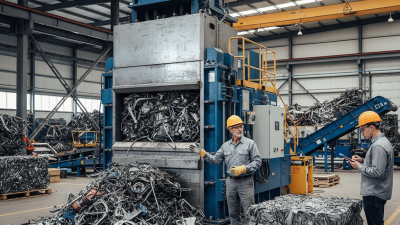
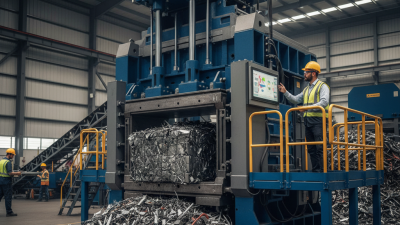
Choosing the right Hydraulic Metal Baler can be challenging. With many models available, it’s essential to understand your specific needs. These machines compress and bundle scrap metal efficiently. Their designs vary, and so do their capacities and features.
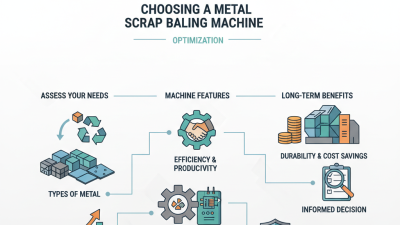
Quality is crucial. Look for reputable brands known for reliability. A trusted Hydraulic Metal Baler should offer high performance with minimal downtime. Researching user reviews and industry assessments helps in making informed choices. Ensure that the baler can handle the types of metal you work with. This detail affects efficiency and cost savings.
Consider also the maintenance and support options available. Regular upkeep is vital for optimal performance. The best Hydraulic Metal Baler may require more upfront investment. However, think about long-term benefits and savings. Balers can significantly enhance your recycling operations, boosting productivity and sustainability. Make your decision carefully, weighing all factors involved.
How to Assess Your Metal Recycling Volume for Baler Needs
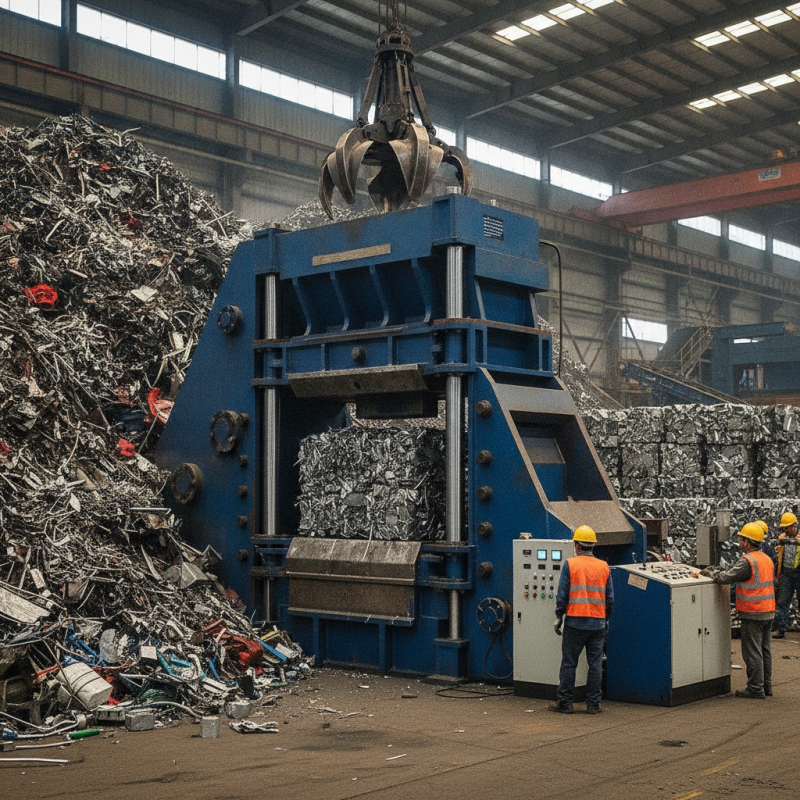
When selecting a hydraulic metal baler, assessing your recycling volume is crucial. Understanding how much metal you process can help you determine the right machine size and feature set. For example, small operations might only need a lower-capacity baler. Larger facilities, however, often require high-capacity machines to meet production demands.
Start by tracking your monthly metal recycling output. This data allows you to make informed decisions. For instance, if your volume exceeds a certain threshold, it may be more efficient to invest in a more powerful baler. Additionally, consider the types of metal you recycle. Different materials, like aluminum or steel, may require specific baler features, affecting performance.
Reflect on your future growth too. Your current volume may be steady, but what about the next few years? Anticipating growth can guide your purchase. It’s not only about immediate needs but also how well the baler can adapt over time. Balancing current capacity with potential growth is an essential factor in your decision-making process. Don’t rush; take time to assess, as this will lead to a more reliable investment.
Key Features to Look for in Hydraulic Metal Balers
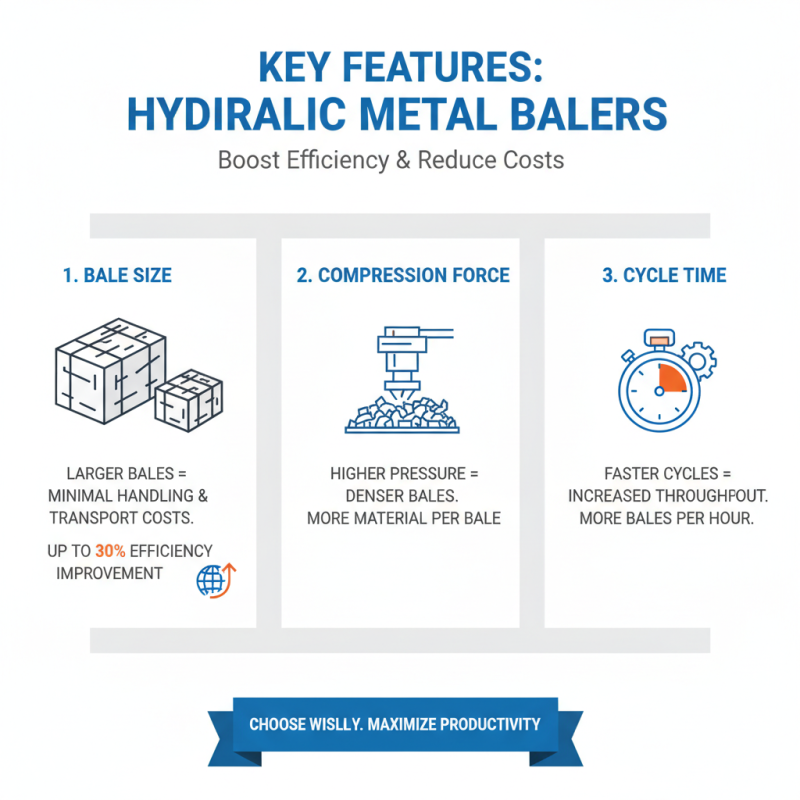
When choosing a hydraulic metal baler, it’s crucial to focus on key features that enhance efficiency and performance. One significant factor is the bale size. Larger bales minimize handling and transport costs. According to a report by the International Journal of Recycling and Waste Management, optimal bale size can improve efficiency by up to 30%.
Another critical aspect is the force capacity of the baler. Models that can exert higher tonnage pressures will compress metal more efficiently. This is vital, as a study by the American Society of Mechanical Engineers indicated that high-pressure balers can reduce waste volume by nearly 75%.
Energy efficiency is also increasingly important. Balers that utilize advanced hydraulic technology consume less power yet maintain performance. In the long run, energy-efficient models could result in cost savings of approximately 20%, as highlighted in recent market analyses. Considering maintenance requirements is essential too; some balers may have complicated systems that lead to downtime. Ensuring regular maintenance checks can prevent unexpected failures. Balers require a balance of features to meet the specific demands of various operations.
Understanding Different Baler Types: Horizontal vs. Vertical
When choosing between a horizontal and vertical baler, it's essential to understand their distinct functions.
Horizontal balers often handle large volumes of materials. They are ideal for operations that require continuous feeding and high throughput. However, they need more space and initial investment. Operators must consider if they can accommodate the layout and costs.
Vertical balers, on the other hand, take up less floor space.
They are suitable for smaller operations and can effectively process cardboard and plastics. Their operation is simpler, but the output may not be as high as horizontal models. Some users find it challenging to scale their production with vertical balers. Understanding your workflow is crucial.
Tips: Assess the material types you'll process. This will guide you toward the suitable baler style. Evaluate your space constraints and budget before committing. Regular maintenance is key for durability; neglect can lead to costly repairs. Always keep efficiency in mind; a baler's effectiveness can influence overall productivity significantly.
Evaluating the Power and Efficiency Ratings of Balers
When evaluating hydraulic metal balers, power and efficiency ratings play a crucial role. These factors directly influence the machine's performance and long-term reliability. A baler’s power rating indicates its ability to compress material effectively. Higher power often means the machine can handle denser, more challenging materials. Efficiency ratings, on the other hand, reflect how well the baler converts energy into useful work. A high efficiency rating ensures lower operational costs and a smaller carbon footprint.
Consider the type of materials you will manage. If you primarily process lightweight materials, a baler with lower power might suffice. However, for heavier metals, selecting a machine with robust power capabilities is essential. Pay close attention to the baler's compression force; a balance between power and efficiency is vital.
Testing the baler's performance in real conditions is beneficial. It provides insights into its reliability and operational efficiency. You might find that some models struggle with specific materials or require more maintenance than expected. Always look for feedback from operators who have hands-on experience. This can reveal both the strengths and weaknesses of different models. Evaluating power and efficiency requires a careful, informed approach.
How to Choose the Best Hydraulic Metal Baler for Your Needs? - Evaluating the Power and Efficiency Ratings of Balers
| Model |
Baling Force (tons) |
Cycle Time (seconds) |
Power Rating (kW) |
Efficiency (%) |
| Baler Model A |
40 |
30 |
30 |
85 |
| Baler Model B |
50 |
25 |
40 |
90 |
| Baler Model C |
60 |
20 |
50 |
92 |
| Baler Model D |
70 |
15 |
60 |
95 |
Cost-Benefit Analysis: Investment vs. Long-Term Savings in Metal Recycling
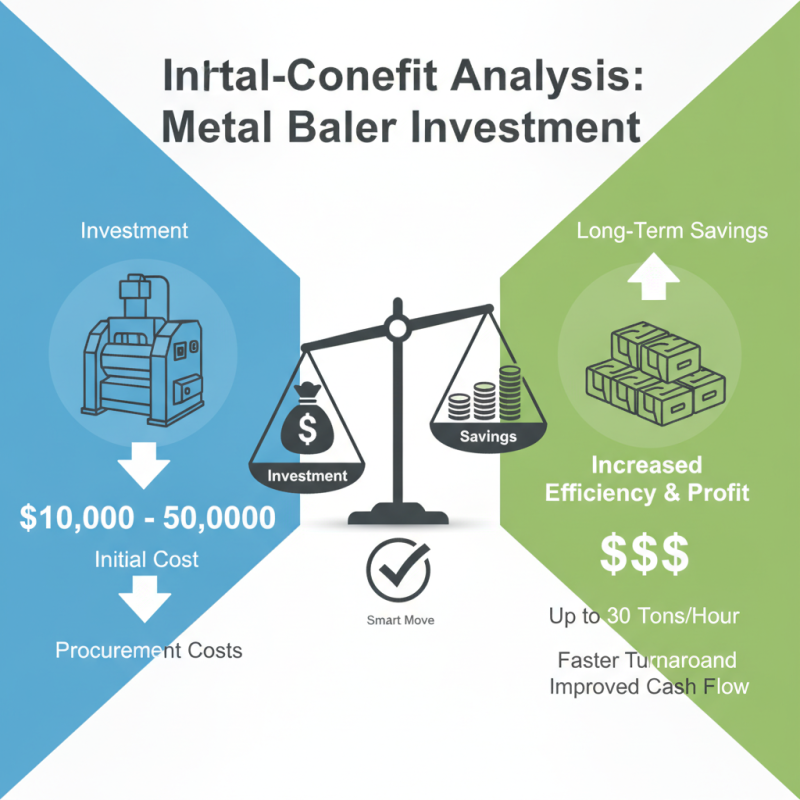
When considering investments in hydraulic metal balers, a cost-benefit analysis is crucial. The initial procurement costs can be daunting. For instance, average prices range from $10,000 to $50,000. Yet, these machines significantly boost efficiency in metal recycling operations. Research shows that operators can process up to 30 tons of metal per hour. This volume allows for faster turnaround and improved cash flow.
Long-term savings also deserve attention. Organizations that invest wisely save on labor costs and landfill fees. According to industry reports, recycling metal can save a business upwards of $100,000 annually in disposal fees. Moreover, lower energy consumption is a factor. Modern balers require less electricity, reducing operational costs. It’s essential to weigh these savings against the initial investment. Ultimately, a comprehensive analysis will reveal if the upfront costs align with projected long-term benefits.
Reflecting on these financial aspects can lead to better decision-making. Miscalculating costs or ignoring maintenance expenses might lead to unplanned budget strains. Investing in a baler should also consider the potential for market fluctuations in recycled metal prices. Balancing these elements requires thorough research and a clear understanding of your operational needs. Only then can the right choice be made.