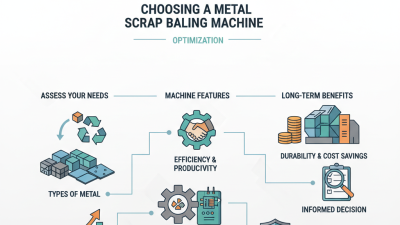
Choosing a Sheet Metal Baler in 2026 requires more than comparing prices and motor sizes. The right machine should match your metal grades, daily volume, available floor space, and workforce. A small fabrication shop may need a compact vertical model, while a recycling facility may require a heavy-duty horizontal baler with automated cycling. Capacity matters. So does control.
This buying guide examines practical factors that affect long-term performance. It covers compression force, chamber dimensions, bale density, cycle time, power requirements, maintenance access, and operator safety. Real-world details matter, such as whether the loading door aligns with your scrap bins or whether oil filters are easy to replace. A machine can look impressive on paper and still create delays beside a busy cutting line.
Reliable purchasing decisions also depend on supplier experience and service support. Buyers should request verified specifications, warranty terms, spare-parts availability, and operator training details. Ask for testing with your actual sheet metal. Clean offcuts behave differently from painted, mixed, or bent material. Small details matter.
Avoid chasing the largest capacity automatically. Bigger is not always better. An oversized baler may consume extra power, occupy valuable space, and produce bales your transport system cannot handle. The best choice balances productivity, safety, durability, and total ownership cost. Some estimates may remain uncertain until your material is tested. That uncertainty deserves attention, not a rushed decision.
What Is a Sheet Metal Baler and How Does It Work?
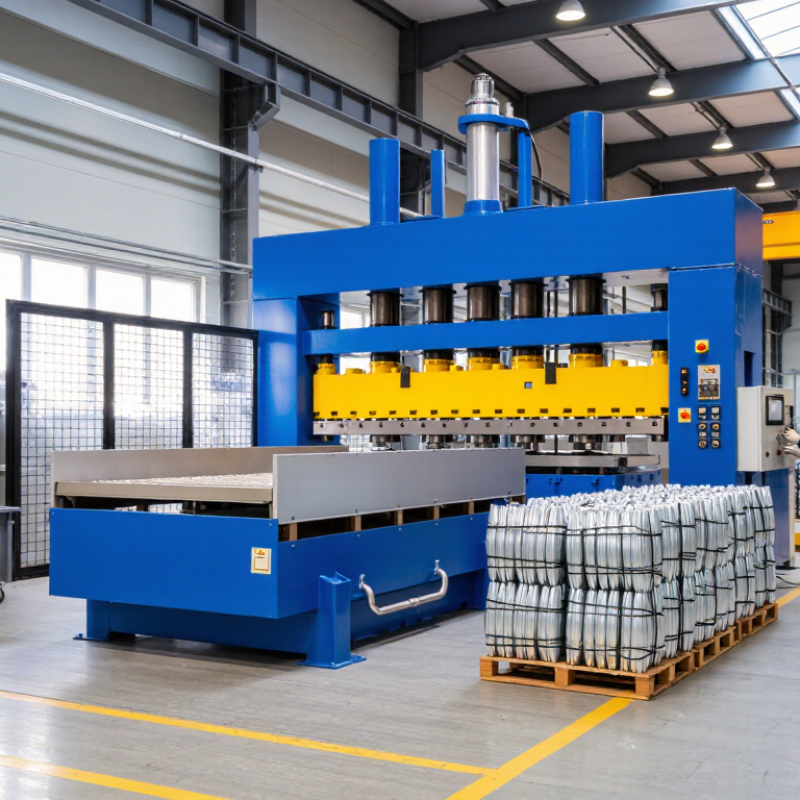
A sheet metal baler compresses loose metal offcuts into compact, manageable bales. It uses a hydraulic ram, reinforced chamber, and controlled ejection system. Operators load material into the chamber. The ram then applies force from one or more directions. Pressure removes air gaps and reduces the material’s volume. Some models also shear oversized pieces before compression. This depends on the machine design.
The Bureau of International Recycling’s World Recycling Facts 2024 estimates that about 630 million tonnes of ferrous scrap are recycled worldwide each year. Efficient baling supports this large recovery network. Denser bales usually improve storage, handling, and transport efficiency. However, bale density is not the only buying factor. Chamber size, motor power, cycle time, metal thickness, and safety controls matter equally. A common mistake is choosing maximum pressure without checking daily material volume. That choice may increase costs and cause unnecessary wear.
Tips: Inspect the chamber and hydraulic lines regularly. Keep oily, sealed, or unknown containers out of the feedstock. They can create dangerous pressure changes. Ask for tested cycle data, not only advertised force. A neat bale is useful, but it does not prove reliable performance. The better question is simple: can the baler handle your actual scrap consistently?
| Baler Category | Typical Feed Opening | Typical Bale Size | Bale Weight Range | Hydraulic Force | Motor Range | Typical Cycle Time | Indicative Throughput | Best Application | Main Buying Consideration |
|---|---|---|---|---|---|---|---|---|---|
| Compact vertical baler | 600–1,200 mm wide 400–800 mm high |
150 × 150 to 300 × 300 mm |
20–80 kg | 30–80 tonnes | 7.5–15 kW | 45–120 seconds | 0.2–0.8 t/h | Small workshops, fabrication shops, and retail scrap areas | Low floor space, simple operation, and low initial investment |
| Heavy-duty vertical baler | 800–1,500 mm wide 600–1,000 mm high |
250 × 250 to 400 × 400 mm |
50–150 kg | 80–160 tonnes | 15–30 kW | 60–180 seconds | 0.5–1.5 t/h | Metal fabrication plants and medium-volume recycling operations | Higher compression force, chamber durability, and loading ergonomics |
| Semi-automatic horizontal baler | 800–1,500 mm wide 500–1,200 mm high |
300 × 300 to 500 × 500 mm |
80–250 kg | 100–250 tonnes | 22–45 kW | 45–120 seconds | 1–3 t/h | Metal processors handling regular batches of sheet offcuts | Balance between labor requirements, bale density, and production rate |
| Automatic horizontal baler | 1,000–1,800 mm wide 600–1,500 mm high |
300 × 300 to 600 × 600 mm |
150–500 kg | 160–400 tonnes | 37–90 kW | 30–90 seconds | 2–5 t/h | Continuous recycling lines and high-volume metal recovery facilities | Automation level, conveyor integration, uptime, and maintenance support |
| Mobile or containerized baler | 600–1,400 mm wide 400–1,000 mm high |
200 × 200 to 400 × 400 mm |
40–180 kg | 50–200 tonnes | 15–45 kW | 60–180 seconds | 0.5–2 t/h | Construction sites, demolition projects, and decentralized collection points | Transportability, power availability, setup time, and site safety |
Indicative ranges are intended for preliminary equipment comparison. Final selection should be confirmed through a material test, electrical-load review, installation assessment, and applicable machine-safety requirements.
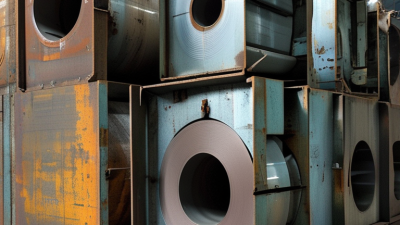
Choosing a sheet metal baler starts with the material, not the advertised pressing force. Thin steel panels, cutoffs, and mixed-gauge scrap behave differently inside the chamber. World Steel Association reports that more than 680 million tonnes of steel were recycled globally in 2022. That scale makes consistent bale quality commercially important.
Compare chamber size, bale dimensions, and feed-opening clearance first. A wide opening reduces pre-cutting, but an oversized chamber may produce loose, unstable bales. Check the finished bale density in kilograms per cubic metre, not only the hydraulic force. A practical trial should measure bale weight, cycle time, wire use, and ejection reliability. Small differences become expensive after hundreds of cycles.
Motor power and throughput also need careful review. Ask whether the supplier’s tonnes-per-hour figure includes loading, tying, and unloading. Often, it does not. Hydraulic pressure, cylinder diameter, and cycle time reveal more than a single “maximum force” number. The U.S. Energy Information Administration identifies manufacturing equipment efficiency as a major factor in industrial electricity demand, so standby consumption deserves attention.
Safety controls should include guarded access, emergency stops, interlocks, and clear maintenance points. Confirm noise data and service intervals before purchase. A baler that reaches high pressure but requires frequent manual clearing may perform poorly in real production. I would request a test using your actual sheet thicknesses. Catalog samples can be too forgiving.
2026 Best Sheet Metal Baler Buying Guide?
How to Choose the Right Baler for Your Metal Recycling Needs
Choosing a sheet metal baler starts with your actual material, not a catalog headline. Measure the metal’s thickness, length, moisture, and daily volume. Thin offcuts behave differently from heavy stamped parts. A chamber that is too small creates constant loading delays. One that is too large may waste floor space and electricity. Match the chamber size with your forklift access and storage plan.
Review the machine’s compression force, cycle time, bale density, and feeding method. Higher force is useful for dense steel, but it can increase energy demand and maintenance costs. Ask for tested output using material similar to yours. Do not rely only on ideal factory figures. Real results depend on loading habits, operator skill, and material shape. Small details matter.
Safety and service access deserve equal attention. Check guarding, emergency stops, interlocks, noise levels, and clear operating instructions. Inspect hydraulic hoses, cutting edges, guides, and wear points before purchase. A reliable supplier should provide maintenance schedules, training, spare-part information, and measurable warranty terms. Look closely at the total cost, not only the purchase price. A cheaper baler can become expensive after repeated downtime. My selection rule is simple: choose enough capacity for growth, but avoid paying for power your facility cannot use. Some uncertainty remains. Trial testing is often the most honest answer.
Safety begins before power reaches the baler. Choose equipment with fixed guards, a visible emergency stop, and clear access around the chamber. The operator should receive documented training, not a quick verbal demonstration. Keep hands away from the compression area. Always.
Before each shift, inspect hydraulic hoses, electrical cables, chamber surfaces, and safety interlocks. Look for oil spots, loose fasteners, sharp metal edges, and unusual sounds. A practical inspection takes only a few minutes. Skipping it can create expensive failures. The operating manual should define material limits, loading methods, cycle controls, and approved protective equipment. Follow local workplace requirements as well.
Maintenance needs a written schedule. Remove scrap from the work area, isolate energy sources before servicing, and verify zero movement. Clean sensors carefully, lubricate specified points, and check hydraulic fluid at the recommended interval. Keep records with dates, findings, and corrective actions. These details help a qualified technician identify repeated faults. In real workshops, rushed inspections are common. That is an uncomfortable weakness. A safer purchasing decision considers access for maintenance, spare-part availability, noise levels, and operator visibility. Test the controls with an empty chamber before production begins. Never bypass an interlock to save time. Consult a competent safety professional when site conditions, material thickness, or installation requirements are uncertain.
A sheet metal baler is a production asset, not merely a scrap container. World Steel Association data records 1,888.2 million tonnes of crude steel production in 2023. Recycling volume remains enormous. Your machine must match that operating reality. Estimate total cost of ownership, including purchase price, freight, installation, electricity, maintenance, labor, and downtime. Hydraulic force, chamber size, bale density, cycle time, and automation strongly affect the final cost. A cheaper unit may become expensive when it needs frequent repairs.
Evaluate suppliers through evidence, not polished brochures. Request measured cycle-time records, bale-weight ranges, motor specifications, safety-test documents, warranty terms, and spare-parts lead times. Ask for two customer references using similar sheet thicknesses. The U.S. Department of Energy notes that compressed-air and motor systems can create significant industrial energy costs, so request actual power-consumption data under load. Check whether the quoted price includes commissioning and operator training. It often does not. That detail can hurt later.
Tips: Build a simple purchase checklist. Record hourly scrap volume, material dimensions, target bale weight, available floor space, power supply, and expected shifts. Require a witnessed acceptance test before final payment. I would also price three years of maintenance, even when the supplier avoids the question. Supplier claims can be incomplete. Recheck every number.