Top 5 Electromagnetic Lifters You Need to Know?
In today's industrial landscape, the use of an Electromagnetic Lifter has become crucial. These powerful devices provide efficient solutions for lifting heavy metal objects. Their magnetic force enables quick and reliable transportation of metal materials, which enhances productivity in various sectors.
Among different models, some stand out due to their advanced features and reliability. Each Electromagnetic Lifter varies in strength, design, and operation. Selecting the right lifter requires a keen understanding of specific needs. However, purchasing the perfect product can be challenging. Consideration of weight capacity and power source is essential.
Yet, not all electromagnetic lifters perform equally in every situation. With rapid technological developments, some models quickly become obsolete. It's vital to stay informed about the latest advancements. We’ll explore the top five lifters that meet rigorous standards. This guide acts as a reliable resource for making informed decisions.
What is an Electromagnetic Lifter and How Does It Work?
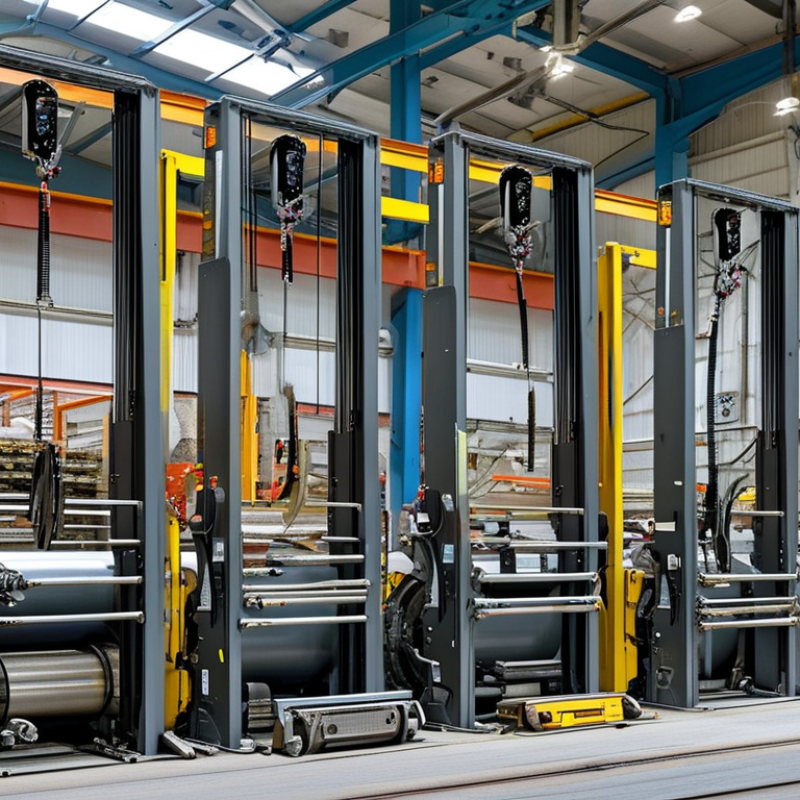
Electromagnetic lifters are fascinating devices. They use powerful magnets to lift heavy metallic objects. This technology is widely utilized in manufacturing and construction. The key component is the electromagnet. When electricity flows, it creates a magnetic field. This field attracts metallic materials with great strength.
Understanding their operation is crucial. A typical lifter consists of coils of wire wrapped around a core. This core is often made from iron. When energized, the lifter can easily grasp large items, such as steel plates or machinery parts. However, there are limitations. The lifter loses its grip if the power fails. Safety measures are critical to prevent accidents.
Operators should receive proper training. Different materials and surface conditions affect lifting capacity. Surface rust or dirt can reduce effectiveness. Regular maintenance is necessary. Users must remain vigilant about fatigue and wear in lifters. Testing and assessments can reveal potential issues. This attention to detail ensures safety and reliability in heavy lifting applications.
Key Applications of Electromagnetic Lifters in Various Industries
Electromagnetic lifters play a crucial role in a variety of industries, showcasing their versatility and efficiency. The manufacturing sector, for instance, heavily relies on these devices for handling steel sheets and heavy machinery. According to a recent report by Research and Markets, the electromagnetic lifting market is expected to grow by over 7% annually. This demonstrates its increasing importance in industrial applications.
In the construction and shipping industries, electromagnetic lifters are invaluable. They assist in moving large metal components seamlessly. This minimizes the risk of injury that can occur during manual lifting. Reports indicate that using electromagnetic lifters can enhance productivity by up to 30%. However, some operators hesitate to adopt these systems due to concerns about reliability in extreme conditions. Proper training is essential to mitigate this.
The automotive sector has also embraced electromagnetic lifters for assembly line efficiency. By reducing manual handling, companies report decreased injury rates and improved workflow. A study from the National Safety Council highlights that workplaces using such lifting devices can decrease injury-related costs significantly. Yet, the integration of technology needs constant evaluation to address evolving challenges in safety and efficiency.
Key Applications of Electromagnetic Lifters in Various Industries
This chart illustrates the utilization of electromagnetic lifters across different sectors, highlighting their significance in enhancing operational efficiency.
Top Features to Look for in High-Quality Electromagnetic Lifters
When selecting high-quality electromagnetic lifters, several key features stand out. One major aspect is lifting capacity. You should assess the maximum weight a lifter can handle. This capability directly influences its effectiveness on the job. Investing in a unit that can only handle light loads may lead to safety risks.
Another crucial feature is the magnetic strength. The gripping power of an electromagnetic lifter determines its efficiency. Units with adjustable magnetic strength can adapt to different tasks. This flexibility can be an asset in various industrial applications.
Durability also plays a significant role. Electromagnetic lifters often work in harsh environments. They must resist damage from dust, moisture, and extreme temperatures. Regular checks on wear and tear can help maintain their functionality. Finally, ease of operation should not be overlooked. A user-friendly control system ensures safer and more efficient usage. An overly complex interface can lead to mistakes or inefficiencies. Consider these features carefully to ensure you choose the best lifter for your needs.
Comparison of the Top 5 Electromagnetic Lifters on the Market
When selecting an electromagnetic lifter, it's essential to examine several key features. Each model varies in lifting capacity, magnetic strength, and design. Some are more suited for heavy-duty applications, while others cater to lighter, more precise tasks. The choice between a handheld version versus a stationary model also significantly impacts usability.
Safety should be a major concern when comparing these devices. Some lifters incorporate advanced safety features, such as automatic shut-offs and overload protections. These features reduce the risk of accidents, but they might come at a higher cost. Therefore, evaluate your specific needs versus the safety aspects each model offers.
Real-world performance varies. Users have reported inconsistent results with certain lifters under extreme conditions. Environmental factors, like temperature and surface texture, can affect the lifters’ effectiveness. Research and hands-on testing can reveal which model truly meets your operational demands and delivers reliable results. This is crucial for avoiding potential mishaps in the workplace.
Top 5 Electromagnetic Lifters You Need to Know
| Model |
Weight Capacity (lbs) |
Power Supply (V) |
Magnetic Force (lbs) |
Weight (lbs) |
| Model A |
3300 |
220 |
7500 |
40 |
| Model B |
4400 |
230 |
8800 |
50 |
| Model C |
2200 |
110 |
5500 |
30 |
| Model D |
5000 |
400 |
10000 |
60 |
| Model E |
3000 |
230 |
7000 |
45 |
Safety Considerations When Using Electromagnetic Lifters
When using electromagnetic lifters, safety should always be a priority. These devices rely on powerful magnets to lift heavy metal objects. Without proper precautions, accidents can happen. Always check the equipment for wear and tear before use. Inspect the lifting capacity to ensure it meets your needs. A failure here could lead to serious injuries.
Training is essential when handling these lifters. Operators must understand how to use them correctly. They should know the weight limits and the types of materials suitable for lifting. Communication is key in a work environment. Ensure everyone is aware when a lift is in progress to avoid accidents.
Another consideration is the surface condition of the materials being lifted. Rusty or dirty surfaces might not allow a secure grip. Regular maintenance can enhance performance. Never rush through the lifting process; taking your time increases safety. A safety audit might reveal overlooked issues. Reflecting on past lifting operations can provide valuable lessons. Each experience is an opportunity to improve safety practices.