Top 10 Aluminum Baler Machines for Global Buyers in 2026?
In the ever-evolving landscape of recycling technology, the Aluminum Baler Machine stands out as a pivotal solution for efficiency and sustainability. As global industries aim to enhance their recycling efforts, selecting the right baler is crucial. This machinery not only compacts aluminum scraps but also optimizes storage and transportation. By 2026, buyers are poised to seek machines that blend reliability with cutting-edge features.
Navigating the market can be challenging. With various options available, understanding the advantages of each model is vital. Factors like durability, capacity, and energy efficiency are key. Some machines may not meet expectations, leading to operational setbacks. Therefore, researching models thoroughly is essential.
With detailed insights, we provide a curated list of the top 10 aluminum baler machines for global buyers. Each entry reflects industry standards and incorporates user feedback for accuracy. Buyers must remain informed, as the right choice impacts not only costs but also environmental benefits. Investing in the right Aluminum Baler Machine is more than a purchase; it's a commitment to a sustainable future.
Overview of Aluminum Baler Machines and Their Importance in Recycling
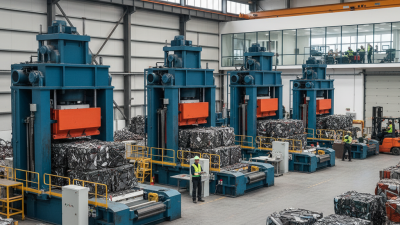
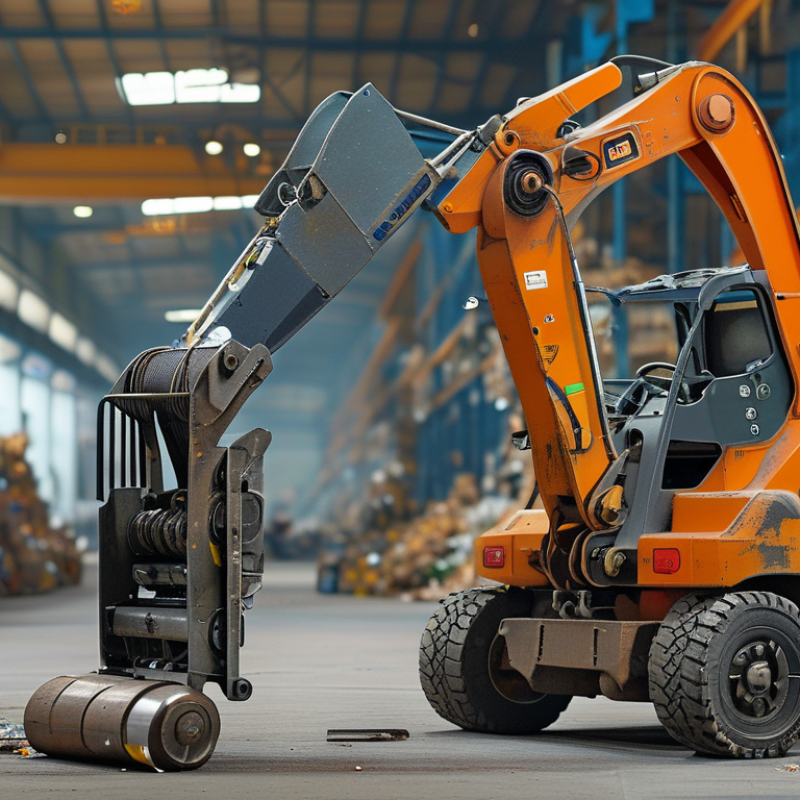
Aluminum baler machines play a crucial role in recycling efforts. They compact aluminum waste into manageable bales, making transportation and processing efficient. This compacting process is vital as it helps reduce the overall volume of waste, lowering disposal costs. With the rising demand for aluminum, investing in baler technology is more essential than ever.
When selecting an aluminum baler, keep in mind the machine's capacity. Consider the volume of materials you typically handle. A baler that is too small might slow down operations. On the other hand, an oversized machine can lead to wasted energy and resources. Assess your needs thoroughly before committing to a purchase.
It's also important to focus on maintenance. Regular checks can prevent costly breakdowns. Sometimes, a minor issue left unattended can escalate into significant repairs. Establish a routine maintenance schedule. This not only extends the life of the baler but ensures consistent performance.
Lastly, pay attention to energy efficiency ratings. Choosing a machine that consumes less power can save money in the long run. A well-chosen aluminum baler machine enhances recycling effectiveness while contributing positively to environmental goals.
Key Features to Consider When Selecting Aluminum Baler Machines
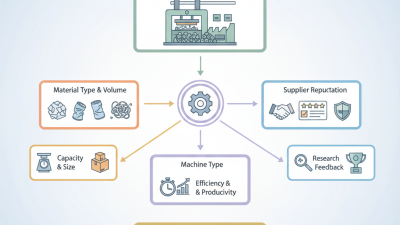
When selecting aluminum baler machines, several key features should be prioritized. First, consider the machine's capacity. A higher capacity means more efficiency. Buyers should evaluate their production needs. An oversized machine may lead to unnecessary energy costs. On the other hand, a machine that is too small can hinder productivity.
Energy efficiency is another crucial factor. Look for machines that provide optimal performance while consuming less energy. This can save costs in the long run. Additionally, durability is essential. Machines made with high-quality materials tend to last longer, reducing the frequency of repairs. It’s worth considering the warranty options as well. A good warranty can indicate manufacturer confidence in their product.
Another aspect to reflect upon is the machine's user-friendliness. Complex controls can impede operation and require extensive training for staff. Simplicity can enhance efficiency. Regular maintenance is important, too. Machines that are easy to service save time and money. These considerations help in making a well-informed decision for your aluminum baler needs.
Top Manufacturers of Aluminum Baler Machines in 2026
In the aluminum recycling industry, baler machines play a crucial role in optimizing the recovery process. For buyers in 2026, understanding the top manufacturers is essential. Manufacturers are focusing on efficiency, durability, and technological integration. Modern balers incorporate automation features for improved productivity and waste management.
Leading manufacturers are recognized for their commitment to innovation. They offer machines that can handle diverse aluminum waste types, enhancing the recycling process. Many are investing in sustainable practices. However, some still struggle with the balance between cost and quality. Buyers should assess the long-term benefits of these machines versus their initial investment.
It's important to consider customer support and service availability when choosing a manufacturer. While many companies present impressive features, not all provide reliable after-sales support. Conducting thorough research is necessary. Understanding industry trends and machine capabilities will empower buyers. This will enable informed decisions on which aluminum balers can meet their specific needs effectively.
Top 10 Aluminum Baler Machines for Global Buyers in 2026
| Model Number |
Processing Capacity (tons/hour) |
Bale Weight (kg) |
Power Consumption (kW) |
Dimensions (LxWxH in mm) |
Weight (kg) |
Features |
| ABM-1000 |
2.5 |
800 |
45 |
3000 x 1500 x 2000 |
2500 |
Automatic feed; energy-efficient |
| ABM-1500 |
3.0 |
1000 |
55 |
3500 x 1600 x 2200 |
3000 |
High throughput; compact design |
| ABM-2000 |
4.0 |
1200 |
75 |
4000 x 1700 x 2300 |
3500 |
User-friendly control panel; robust structure |
| ABM-2500 |
5.0 |
1500 |
90 |
4500 x 1800 x 2400 |
4000 |
Advanced safety features; high durability |
| ABM-3000 |
6.0 |
1800 |
110 |
5000 x 1900 x 2500 |
4500 |
Smart monitoring; low operational cost |
| ABM-3500 |
7.0 |
2000 |
125 |
5500 x 2000 x 2600 |
5000 |
High automation; efficient waste processing |
| ABM-4000 |
8.0 |
2200 |
150 |
6000 x 2100 x 2700 |
6000 |
Flexible configurations; remote control |
| ABM-4500 |
9.0 |
2500 |
175 |
6500 x 2200 x 2800 |
7000 |
Eco-friendly operation; enhanced safety |
| ABM-5000 |
10.0 |
3000 |
200 |
7000 x 2300 x 2900 |
8000 |
Top-rated performance; customization options |
Comparison of the Top 10 Aluminum Baler Machines for Global Buyers
When selecting the best aluminum baler machines for 2026, it's crucial to evaluate specific features.
Price, efficiency, and durability should top your checklist. Many machines vary greatly in capacity and output.
Different settings can yield varied results, affecting operational efficiency. Buyers should assess how much material they process and the machine’s specifications accordingly.
Efficiency often comes down to the design and technology used. Some balers utilize advanced hydraulics, improving baling speed and reducing energy consumption.
However, user-friendliness is sometimes overlooked. A complex control panel can complicate operations, leading to inefficiencies.
Simpler designs can enhance productivity, especially for new operators.
Regular maintenance needs also factor into the decision. Some machines require intensive upkeep, while others are more low-maintenance.
Finding the right balance is key.
Support and after-sales service play significant roles, too. A reliable manufacturer can greatly influence operational downtime.
Ultimately, thorough research into each model’s performance reviews is essential for making an informed decision.
Each machine has its pros and cons, and understanding these nuances could lead to a better investment.
Consider all dimensions before making a choice.
Future Trends in Aluminum Baler Technology and Market Demand
The aluminum baler technology is evolving rapidly. In 2026, the demand for efficient and sustainable baling solutions will rise. A report by the International Waste Management Association predicts a 15% annual growth in the aluminum recycling sector. The need for advanced balers is evident, as companies seek to reduce waste and optimize recycling efforts.
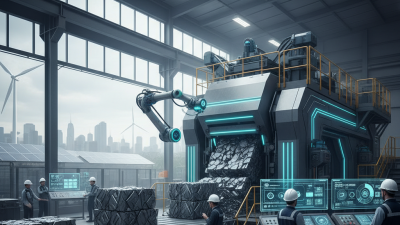
Emerging trends include automation and smart technologies. Many balers now integrate IoT capabilities for better monitoring and efficiency. A report from MarketsandMarkets indicates that the smart baler market will grow by 20% by 2026. Users crave machines that simplify operations and minimize manual labor. However, the high initial cost may deter some organizations. Companies should weigh the investment against long-term savings and efficiency gains.
Customization is another key focus area. Businesses need balers that fit their specific operations. The ability to adapt to various aluminum types and sizes is crucial. Currently, many balers lack this flexibility, leading to inefficiencies. Addressing these gaps will be vital for manufacturers aiming to meet market needs. The future of aluminum balers will require innovative solutions to enhance both performance and sustainability.