What is a Steel Baling Machine and How Does it Work?
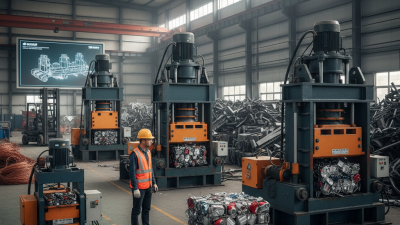
In the recycling industry, the Steel Baling Machine plays a crucial role in processing scrap metal. According to expert Dr. Emily Carter, “A Steel Baling Machine can enhance efficiency and reduce waste significantly.” This machine compresses scrap steel into compact bales, making transportation and storage easier.
Understanding how the Steel Baling Machine operates is essential. It uses high pressure to form dense bales from loose materials. This process not only saves space but also improves recycling rates. However, it's important to recognize that not every facility has access to these machines, which can create disparities in recycling capabilities.
The effectiveness of a Steel Baling Machine relies on proper maintenance and operator training. Regular checks can prevent malfunctions that may affect performance. Observations indicate that facilities without trained personnel often face more challenges. The learning curve exists, but the benefits can outweigh the initial hurdles if managed well.
What is a Steel Baling Machine?
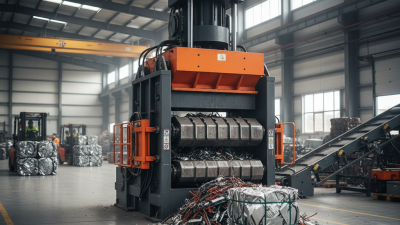
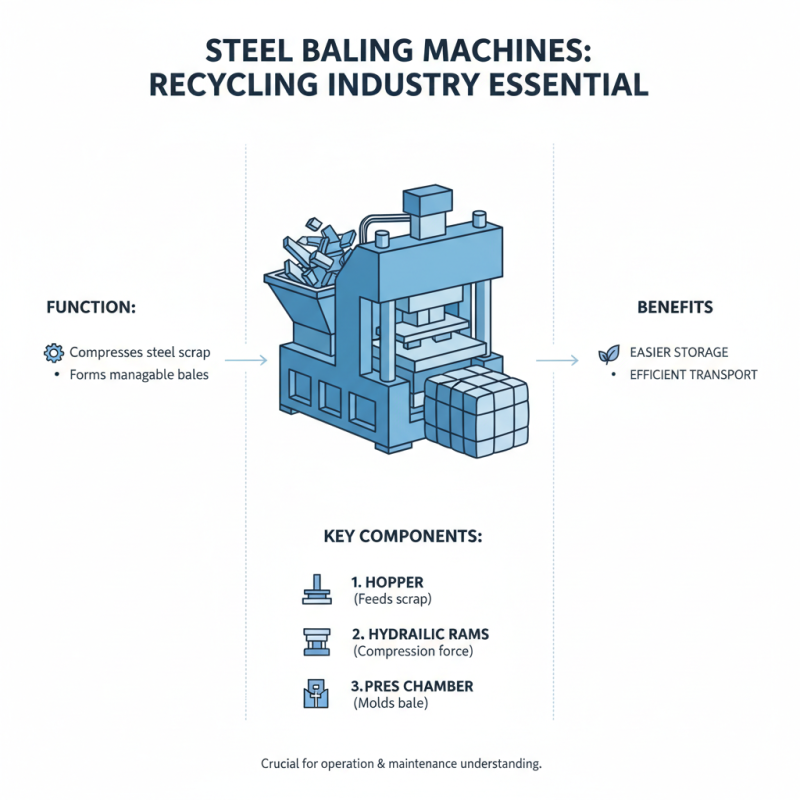
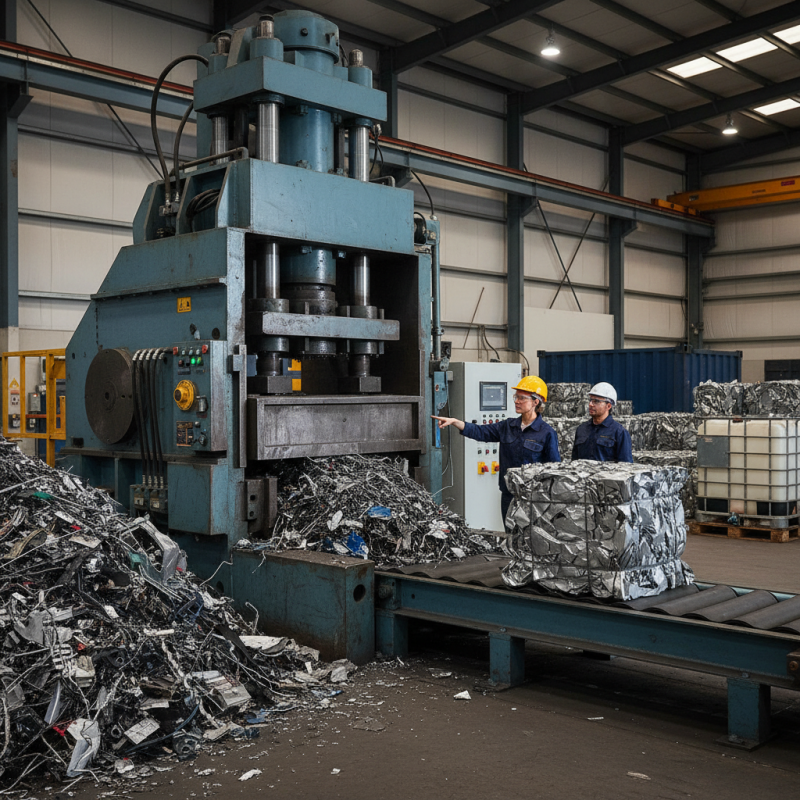
A steel baling machine is a vital tool in recycling and waste management. It compresses loose steel scrap into compact bales. These bales are easier to handle, transport, and process. The machine uses hydraulic power to exert pressure on the material. Steel scraps are fed into the chamber where they are tightly compressed.
The process sounds simple, but it has its challenges. It’s crucial to ensure the materials are clean and free of contaminants. Any impurities can affect the quality of the bales. Operators need to be vigilant when monitoring the airflow and pressure settings. Sometimes, the bales may not hold together well, resulting in wasted material.
Safety is another significant concern. Operators must wear protective gear. Occasionally, there are accidents due to human error or mechanical failure. Regular maintenance is necessary to keep the machine running efficiently. Despite its complexity, the steel baling machine plays a critical role in promoting sustainable practices in the recycling industry.
How Does a Steel Baling Machine Operate?
A steel baling machine is crucial in recycling and waste management. It transforms loose steel scrap into compact bales. This process reduces transport costs and improves storage efficiency. The machine operates using hydraulic or mechanical force to compress materials tightly.
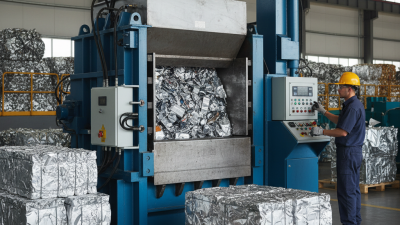
During operation, the steel is fed into the chamber manually or automatically. The machine then activates, applying pressure to form a dense bale. This bale is secured with wires or straps for stability. Reports suggest that using these machines can increase material handling efficiency by up to 40%. However, improper maintenance can lead to reduced performance.
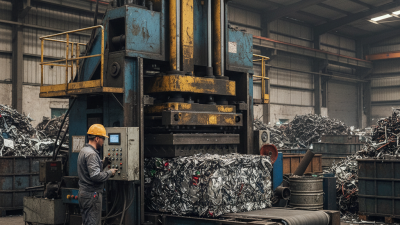
Operators must monitor the machine regularly. They should check connections and hydraulic fluid levels. Neglecting these details can result in operational flaws. In fact, a study indicated that 15% of downtime in recycling facilities stems from machine malfunctions. Recognizing and addressing these concerns is essential for optimal operation.
Common Applications of Steel Baling Machines
Steel baling machines play a crucial role in various industries. They efficiently compress steel scrap into bales for recycling. This process saves valuable space and optimizes transport. The efficiency of this machinery impacts overall production and environmental sustainability. According to a recent industry report, steel recycling can save up to 75% of energy compared to producing new steel.
These machines are widely used in construction, manufacturing, and metal recycling industries. In construction, they help manage waste like steel beams and rods. In manufacturing, they compress off-cuts and scrap metal. Metal recyclers benefit from the compact bales, which are easier to handle and transport. Industry data shows that recycling steel can significantly reduce landfill waste, with a potential cut of millions of tons annually.
However, the use of steel baling machines is not without challenges. Maintenance is critical to ensure optimal performance. Operators must be trained thoroughly to avoid accidents and machinery damage. Many facilities struggle with proper training protocols. An investment in safety and training can lead to higher efficiency and reduced risks. Addressing these issues might require ongoing evaluation and adjustments in operations.
What is a Steel Baling Machine and How Does it Work? - Common Applications of Steel Baling Machines
| Dimension |
Description |
Common Applications |
| Dimensions |
The overall size of a steel baling machine can vary greatly but typically ranges from compact units to large industrialized machines. |
Recycling facilities, scrap yards, manufacturing plants. |
| Capacity |
Machines can process anywhere from 1 to 20 tons of material per hour. |
Waste management, metal recycling, packaging. |
| Weight of Bales |
Bales typically weigh between 500 to 2000 pounds depending on the material and density. |
Transportation, storage, scrap processing. |
| Power Consumption |
Varies with machine size; can range from 5 HP to over 100 HP. |
Energy efficiency monitoring in industrial settings. |
| Features |
Common features include automatic tie, adjustable bale size, and safety systems. |
Automation in recycling, improved worker safety. |
Benefits of Using Steel Baling Machines in Recycling
Steel baling machines play a critical role in recycling. These machines compact various materials, particularly metals, into tight bundles for easier handling. According to recent industry reports, the global metal recycling market is projected to reach $280 billion by 2026. This growth showcases the rising demand for efficient recycling processes.
Using steel baling machines has several benefits. They significantly reduce storage space for recyclable materials. This is essential for recycling facilities. For example, a standard baler can compress volumes by up to 80%. Additionally, these machines enhance safety. They minimize the risk of workplace accidents by containing sharp metal scrap in secure bales. However, some facilities face challenges in maintaining these machines regularly.
The operation of a baling machine isn't always smooth. Issues with jams or mechanical failures can hinder production. Regular maintenance is vital but often neglected. Operators sometimes lack proper training, leading to inefficient use. Efficiency drops when workers aren’t well-informed about the machine’s capabilities and potential problems. Balers are powerful tools, but without proper management, their effectiveness can decline.