What is Press Bundle Scrap and How Can You Source It?
Press Bundle Scrap is an underappreciated but valuable resource in recycling and waste management. This type of scrap arises when printing businesses, publishers, and manufacturers produce excess materials during production. Often, these scraps are rich in fiber and can be recycled into new paper products. Identifying and sourcing Press Bundle Scrap can lead to significant environmental benefits.
It’s essential to understand the nature of Press Bundle Scrap. It typically includes leftover printed sheets, misprints, or production overruns. These materials accumulate quickly and can pose sustainability challenges for companies. By sourcing this scrap effectively, businesses can reduce waste and lower production costs. However, sourcing methods may require reflection on current practices and market connections.
The process involves recognizing the potential of Press Bundle Scrap. It may not always be straightforward to source. Building relationships with print shops, publishers, or recycling centers can take time and effort. There is uncertainty in supply and demand dynamics. Thus, a thoughtful approach that considers the variability and quality of available scrap is crucial. The journey toward effective sourcing of Press Bundle Scrap offers opportunities for both profit and positive environmental impact.
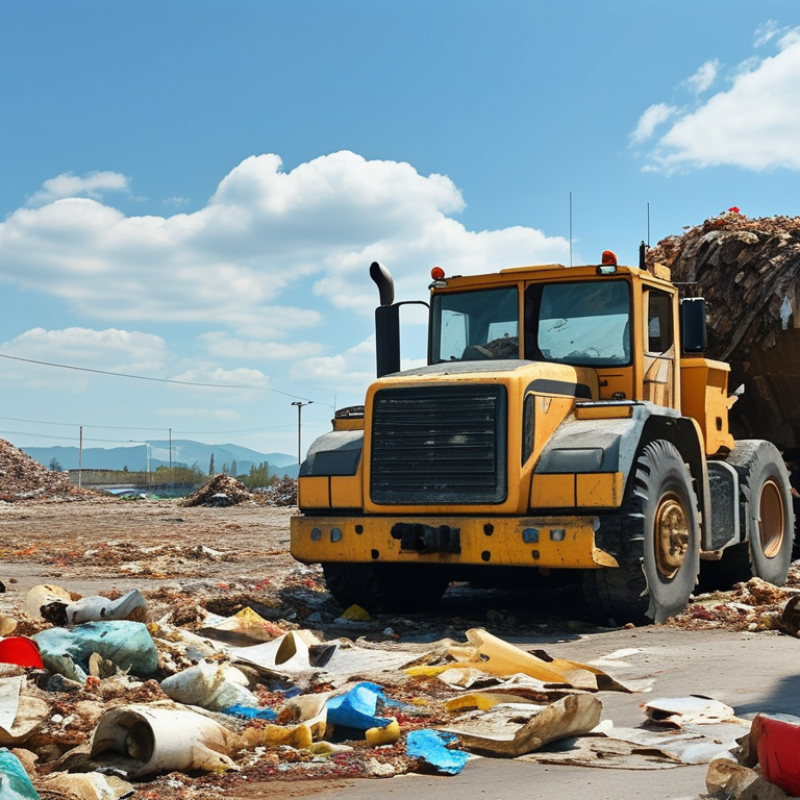
What is Press Bundle Scrap? Definition and Explanation
Press bundle scrap refers to the leftover materials from the production of printed materials. These scraps are typically made up of paper trimmings, misprints, and unusable sheets. Understanding press bundle scrap is essential for recycling practices and waste reduction in the printing industry. By reusing these scraps, companies can minimize waste and lower production costs.
When sourcing press bundle scrap, consider reaching out to local printing companies or distribution centers. Many businesses have leftover materials that they are willing to sell or donate. This not only provides a cost-effective solution but also supports environmental sustainability. Networking with industry professionals can lead to valuable sources of scrap.
Make sure to assess the quality of the scrap before purchasing. Look for clean, undamaged materials that can be easily integrated into your projects. Evaluating the size and type of paper can also help in selecting the right scrap for your needs. Gathering press bundle scrap requires effort, but the benefits can significantly outweigh the challenges.
The Composition and Sources of Press Bundle Scrap
Press Bundle Scrap is a unique byproduct generated during the paper production process. It consists mainly of off-cuts and excess material from the pressing phase. These scraps can originate from various paper types, such as newsprint or cardboard. The composition of press bundle scrap typically includes cellulose fibers, additives, and fillers used in paper manufacturing. Understanding its components can help you identify potential recycling processes.
When sourcing press bundle scrap, it’s essential to locate printing facilities or paper mills. Establishing relationships with these businesses is key. Often, they have excess material that they need to dispose of. You might find this scrap available for the cost of collection. Consider looking into local recycling centers as well. They may collect scrap from multiple sources, increasing your options.
Finding quality press bundle scrap can be challenging. It requires effort and sometimes patience. Regular visits to sources can enhance your understanding of their needs. This can lead to better deals over time. Always check the quality of the scrap before procurement, as not all scraps are suitable for repurposing. Communication with your suppliers about your requirements can ensure that you receive the best material for your needs.
What is Press Bundle Scrap and How Can You Source It? - The Composition and Sources of Press Bundle Scrap
| Dimension |
Description |
Sources |
Composition |
| Material Type |
Recycled materials and manufacturing waste |
Manufacturing plants, recycling facilities |
Paper, cardboard, plastic films |
| Processing Method |
Shredding, baling, sorting |
Waste management companies, recyclers |
Post-consumer and post-industrial scrap |
| Market Demand |
Increasing demand for sustainable materials |
Paper production, packaging industries |
High-quality recyclable content |
| Environmental Impact |
Reduces landfill waste, conserves resources |
Community recycling programs, businesses |
Eco-friendly alternatives to virgin materials |
How to Identify Quality Press Bundle Scrap
Quality press bundle scrap is vital for recycling operations. Understanding how to identify it can significantly enhance sourcing strategies. Press bundle scrap typically includes sorted paper or cardboard that has been compacted into bales. These bales should appear intact and free of contamination. According to the American Forest & Paper Association, the recycled fiber supply accounts for roughly 66% of the raw materials for paper production in the U.S. This high reliance on recycled materials means sourcing quality press bundle scrap can directly affect production efficiency.
Inspecting the bales is crucial. Check for moisture content and density. Ideal bales should maintain a consistent weight and size, indicating proper compaction. Additionally, a report by the Recycling Partnership noted that clean, high-quality scrap has a much higher market value. The presence of plastic, metal, or other contaminants can lower this value. It's essential to evaluate the fibers' length and cleanliness, as longer, cleaner fibers are preferred in the recycling process. Misjudging this can lead to processing issues down the line, resulting in wasted resources.
Building relationships with reputable suppliers helps in sourcing quality scrap. These suppliers are often more knowledgeable about the materials they provide. However, even experienced recyclers occasionally fail in identifying adequate sources. The fluctuation in market prices for scrap can also make sourcing decisions challenging. Being aware of these dynamics is important for making informed choices in sourcing quality press bundle scrap.
Methods for Sourcing Press Bundle Scrap Effectively
Sourcing Press Bundle Scrap effectively requires a strategic approach. Businesses in the recycling sector have reported that distinguishing quality scrap material is key. A 2021 industry report from the Recycling Association indicated that up to 30% of collected scrap does not meet the criteria for processing, so focusing on reliable sourcing is essential.
Establishing relationships with local printers and manufacturers can yield high-quality press bundle scrap. Engaging with these entities helps you understand their waste management practices. This connection often leads to consistent supply and reduced transportation costs. Attending industry events can also provide valuable networking opportunities, allowing businesses to share insights and learn sourcing best practices.
One crucial aspect is understanding the specifications of the scrap you need. Not all press bundle scrap is equal; certain grades may be more suitable for your operations. Collecting samples and assessing quality upfront can save time. Regular audits on suppliers can ensure the materials received consistently meet standards.
Consider diversifying sources to mitigate risks. Relying on one supplier can create vulnerabilities. A diverse supply chain offers flexibility and can often lead to better pricing. Keep a close eye on market trends to adjust sourcing strategies accordingly.
Best Practices for Recycling and Utilizing Press Bundle Scrap
Press bundle scrap consists of unused and leftover materials from manufacturing processes. When recycling this type of scrap, understanding best practices is essential. One key practice involves sorting. By categorizing different materials, companies can streamline recycling and improve efficiency. It's important to train employees on proper sorting techniques. This ensures that valuable resources are not lost in the process.
In addition to sorting, establishing partnerships with local recyclers can enhance the recycling efforts. Local resources often understand the market better and can offer valuable insights. It's also beneficial to track recycling rates and set measurable goals. This can highlight areas needing improvement. Companies may encounter challenges, such as fluctuating market prices for scrap. Regularly assessing the market helps navigate these obstacles. An open dialogue about practices can foster improvements and lead to better results in scrap management.