10 Essential Tips for Choosing the Right Ferrous Baler for Your Business?
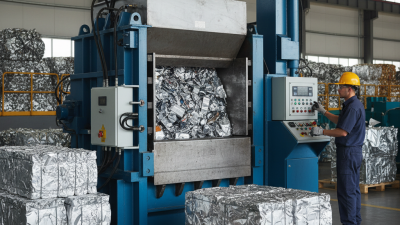
Choosing the right Ferrous Baler for your business can be a challenging task. With numerous models and specifications available in the market, making an informed decision is crucial. A Ferrous Baler compresses metal scraps into manageable bales, optimizing storage and transportation. The right choice can enhance efficiency, reduce costs, and streamline operations.
Understanding your specific needs is the starting point. What types of metals will you process? How much volume do you deal with daily? These questions shape your selection. It is vital to research the features of different balers. Some may offer advanced technology, while others focus on durability.
While it may be tempting to choose the cheapest option, this approach can lead to regrets later. A lower price often means compromised quality which can affect performance. Reflecting on long-term costs versus short-term savings is essential. In the end, finding a Ferrous Baler that aligns closely with your business goals will pay off, enhancing productivity and sustainability.
Understanding Ferrous Balers: Types and Functions
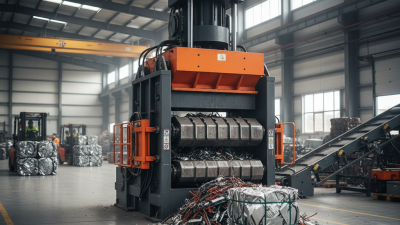
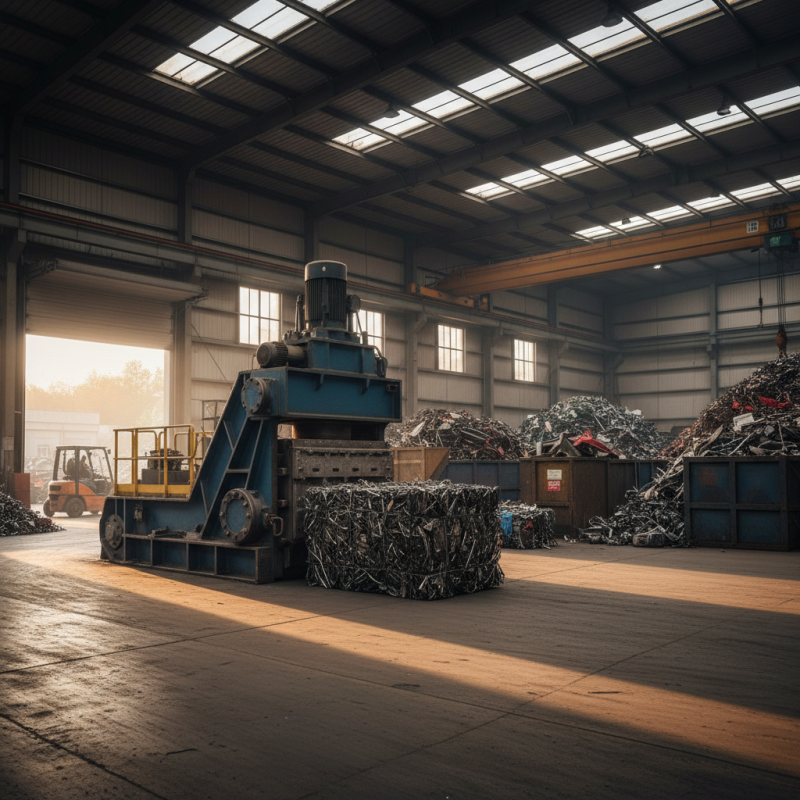
When considering ferrous balers, understanding their types and functions is crucial. Ferrous balers mainly fall into two categories: horizontal and vertical balers. Horizontal balers are designed for large-volume operations. They efficiently compress materials into dense bales, often handling various ferrous scrap types. In contrast, vertical balers are usually suitable for smaller capacities. They are ideal for facilities with space constraints, but they may not match the output of horizontal models.
Industry reports indicate that the ferrous scrap market is projected to grow substantially, with a forecasted value reaching $544 billion by 2027. This growth emphasizes the importance of choosing the right baler for maximizing operational efficiency. The wrong choice can lead to inefficiencies, such as increased labor costs and slow production rates. Balers with advanced features, like automatic tie systems or user-friendly controls, are often worth considering despite their initial cost.
Selecting a baler demands careful consideration of your facility’s specific needs and operational goals. Assessing your volume requirements and available space is essential. You might realize that a more robust horizontal baler is necessary for peak times, while a vertical model could suffice during slower periods. These decisions can impact your bottom line significantly. Balers aren't just machinery; they are investment tools in your recycling and material management strategy.
Understanding Ferrous Balers: Capacity vs. Efficiency
Assessing Your Business Needs for Ferrous Baling Solutions
When choosing a ferrous baler, understanding your business needs is vital. Evaluate the volume of material you process weekly. This number helps you select the appropriate machine capacity. Think about your space limitations, as some balers require more room for operation and maintenance. Additionally, assess the types of ferrous materials you handle, like steel or iron. Different balers have varying capabilities for specific materials.
Consider the efficiency of the baling process. A more efficient baler can save time and reduce labor costs. Research the energy consumption of the machine as well. Understanding operational costs is crucial for long-term planning. Reflect on maintenance requirements too. Some machines need regular upkeep, which can be a drawback for busy facilities.
Consult with professionals or industry experts who can provide insights into different baler models. Their experience can guide you in making an informed decision. Additionally, speak with other businesses about their experiences. Their reflections can highlight potential pitfalls or advantages you might not initially consider. By carefully assessing these factors, you increase your chances of selecting the right ferrous baler for your needs.
10 Essential Tips for Choosing the Right Ferrous Baler for Your Business
| Tip Number |
Tip |
Details |
| 1 |
Assess Your Volume |
Understand the amount of ferrous material you process to choose the appropriate baler size. |
| 2 |
Consider Material Type |
Different ferrous materials may require different baling machines based on their density and composition. |
| 3 |
Space Requirements |
Ensure you have adequate space for the baler and the workflow surrounding it. |
| 4 |
Energy Efficiency |
Choose a baler that offers energy-efficient options to reduce operational costs. |
| 5 |
Maintenance Considerations |
Select a baler that is easy to maintain and has readily available parts. |
| 6 |
Operator Safety |
Ensure the machine has safety features to protect operators during use. |
| 7 |
Baling Speed |
Consider the baling speed you require to keep up with your processing needs. |
| 8 |
Productivity Features |
Look for features that enhance productivity, such as automatic tie systems. |
| 9 |
Cost Analysis |
Perform a thorough cost analysis, considering purchase, operation, and maintenance costs. |
| 10 |
Vendor Reputation |
Research vendor reputation and customer service records before making a decision. |
Key Features to Look for in a Ferrous Baler
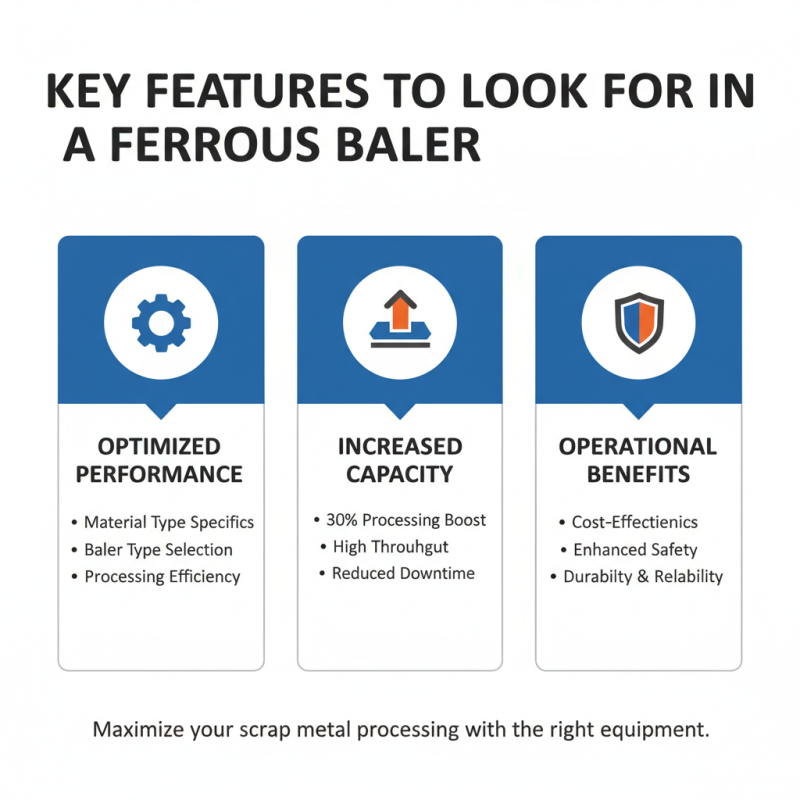
When selecting a ferrous baler for your operations, key features play a crucial role in optimizing performance. Understanding the specifics of each baler type can make a significant difference. Maintaining efficiency while processing scrap metal should be a priority. Reports indicate that businesses can increase their processing capacity by 30% with the right baler.
Look for a hydraulic system that offers adjustable pressure. This feature ensures that different types of ferrous materials can be compacted effectively. Hydraulic balers tend to provide better reliability than mechanical options. According to industry studies, organizations using advanced hydraulic models reported a 20% reduction in operational costs.
In addition, consider the size and weight of the baler. A compact baler is suitable for businesses with limited space, while larger models may offer more throughput. The feed opening size is also important; it should accommodate various sizes of scrap. Some sources indicate that a well-chosen feed design can enhance material flow by 15%, leading to smoother operations. Always assess the maintenance needs of the baler, as higher maintenance demands can disrupt workflow. Ensure that your choice aligns with your business's long-term goals.
Evaluating Energy Efficiency and Operational Costs
When selecting a ferrous baler, energy efficiency is paramount. Energy-efficient machines consume less power, leading to lower operational costs. This aspect directly impacts your bottom line. Look for models with advanced technology, such as variable speed drives. These features optimize energy use based on the load, creating savings and enhancing productivity.
Operational costs should also influence your choice. Consider maintenance requirements and potential repair costs. While some balers may have lower initial prices, they might incur higher costs in the long run. Calculate the total cost of ownership, including energy, labor, and maintenance. Choose a baler that balances upfront costs and longevity.
A reliable baler should offer flexible options. You might find models that are easy to modify and expand. Also, evaluate the machine's performance in varying conditions. What works efficiently today may not perform as well in the future. Regularly assess its energy consumption and adjust operations accordingly. Such ongoing evaluation keeps your business adaptable and cost-effective.
Reviewing Vendor Support and Maintenance Options
When selecting a ferrous baler, vendor support and maintenance options are critical factors. A reliable vendor can significantly impact your operation's efficiency. Maintenance services are crucial for minimizing downtime. According to industry reports, unexpected equipment failures can cost businesses up to $250,000 annually. Therefore, understanding vendor support capabilities can save you money and time.
Before making a purchase, evaluate the vendor’s responsiveness. Quick response times indicate strong support. Ask about their maintenance program. A comprehensive plan often includes routine check-ups and prompt service when needed. Research shows that businesses with proactive maintenance tend to experience 20-30% lower operational costs.
Consider warranty options and availability of spare parts. Some vendors provide extensive warranties, while others may not. This divergence can affect your long-term costs. Ensure that the vendor you choose supports your business scale and needs. The right combination of support and maintenance is vital for sustaining productivity and reducing overall expenses.