2026 How to Choose the Best Aluminium Scrap Baler for Your Recycling Needs?
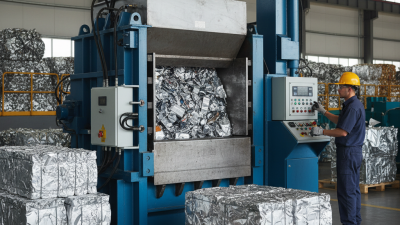
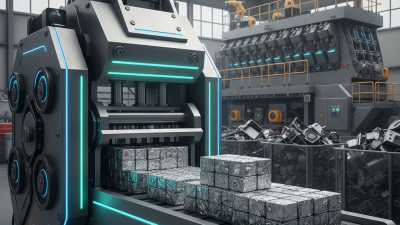
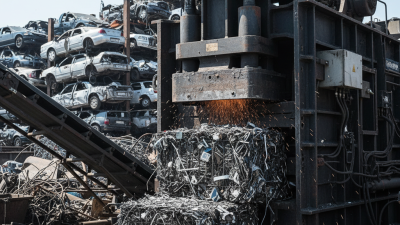
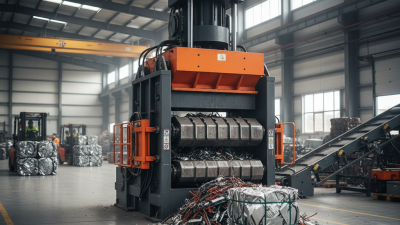
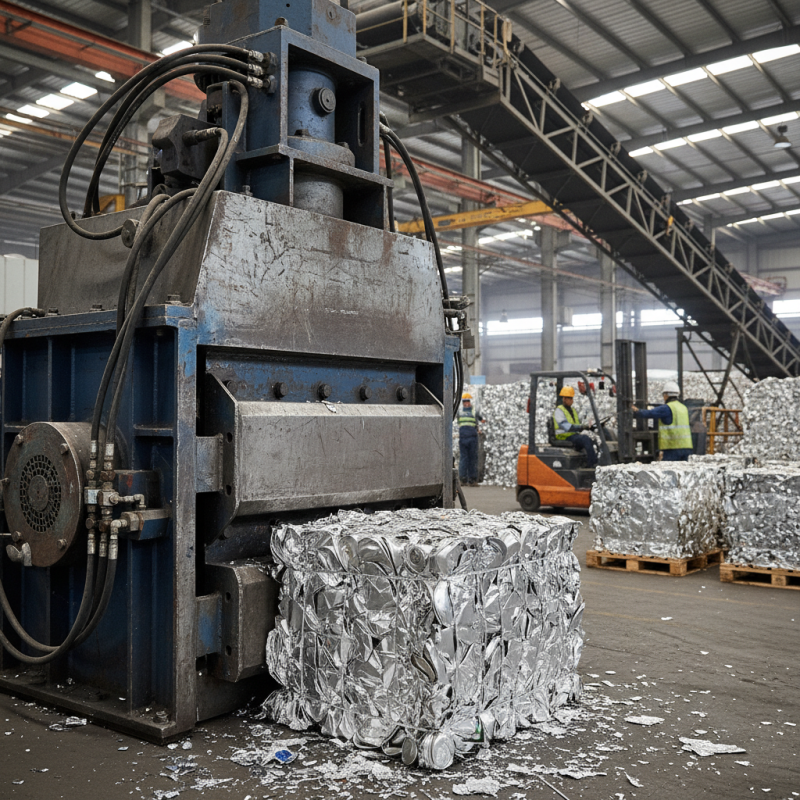
Choosing the best aluminium scrap baler for your recycling needs can be challenging. With various options available, it's crucial to make an informed decision. An aluminium scrap baler is an essential tool for efficient recycling. It helps in compressing scrap aluminium into manageable bales, optimizing storage and transportation.
When evaluating different balers, consider your specific requirements. Factors like capacity, size, and operational efficiency matter significantly. Look for models known for durability and reliability. Established brands often provide advanced features that enhance performance. However, avoid being swayed solely by brand reputation. Sometimes, lesser-known companies offer innovative solutions at competitive prices.
Understanding the features of an aluminium scrap baler is vital. Pay attention to ease of use, maintenance needs, and energy consumption. Reflect on how these factors align with your business goals. In the end, a thoughtful approach will lead you to the best choice for your recycling operations.
Understanding the Importance of Aluminium Scrap Ballers in Recycling
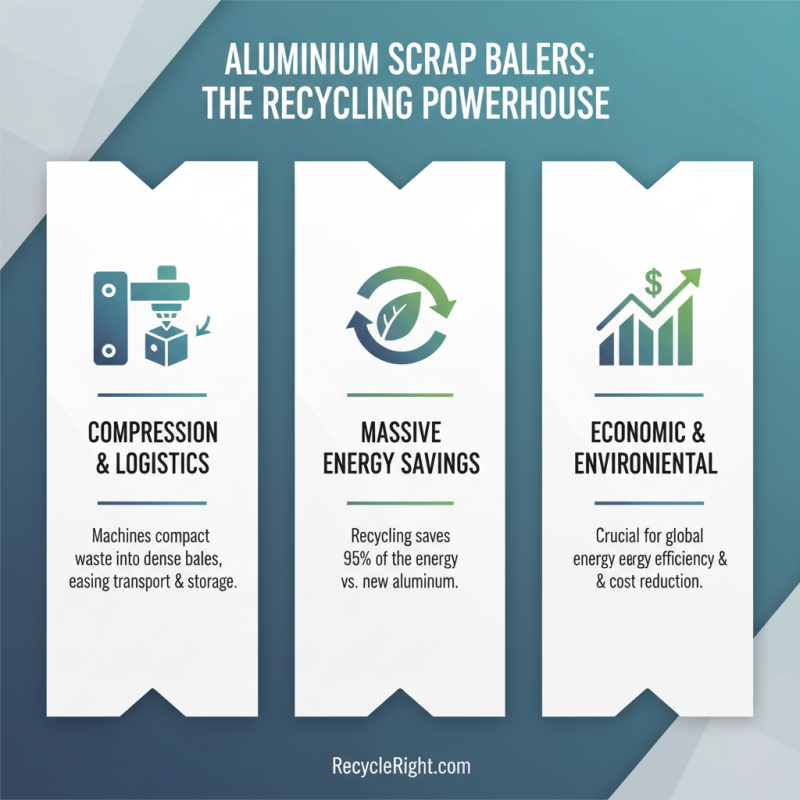
Aluminium scrap balers play a crucial role in recycling processes. These machines compact aluminium waste into bales, making transportation and storage much easier. According to industry statistics, recycling aluminium can save around 95% of the energy required to produce new aluminium from raw materials. This energy efficiency is significant, especially given the rising global energy costs.
In 2021, the global aluminium recycling market was valued at approximately $10 billion. This figure has been steadily increasing, indicating a growing emphasis on recycling. Companies looking to invest in aluminium balers must consider machine durability and efficiency. Many balers can handle several tons of material per hour, yet not all machines can maintain performance under continuous use.
Regular maintenance is often overlooked. Machines can face wear and tear, leading to suboptimal performance. A baler that works effectively today may not yield the same output in a few months without proper care. Research highlights that businesses lose an average of 15% in potential revenue due to inefficient machinery. Understanding these factors is critical for any recycling operation aiming to maximize benefits while minimizing energy consumption and operational costs.
Key Features to Consider When Selecting an Aluminium Scrap Baler
Choosing the right aluminum scrap baler can greatly enhance your recycling efficiency. There are key features that should guide your decision. Power and capacity are crucial. A baler needs adequate force to compact aluminum efficiently. Consider the size of the bales too. Smaller bales are easier to transport, but larger ones can save space.
Another important feature is automation. Fully automated balers save labor while increasing productivity. Look for models with programmable settings. This allows for flexibility in different recycling tasks. Durability is also critical. Scrapyards are tough environments. Ensuring the baler can withstand daily heavy use is essential.
Safety features should never be overlooked. Emergency stop buttons and safety shields are vital for operator protection. Assess the ease of maintenance as well. Regular upkeep ensures the baler's longevity. Reflect on how each feature aligns with your specific recycling needs. Balancing these aspects will lead to a better selection.
2026 How to Choose the Best Aluminium Scrap Baler for Your Recycling Needs? - Key Features to Consider When Selecting an Aluminium Scrap Baler
| Feature |
Description |
Importance |
Typical Range |
| Bale Size |
The dimensions of the compressed bales. |
Determines storage and transportation efficiency. |
1m³ - 3m³ |
| Press Force |
The amount of force applied to compact the material. |
Higher force leads to denser bales. |
60 - 200 tons |
| Cycle Time |
Time taken to complete a baling cycle. |
Affects overall productivity. |
30 - 120 seconds |
| Power Requirement |
Electrical power needed for operation. |
Influences operational costs and facility setup. |
5 - 30 kW |
| Safety Features |
Includes emergency stops, guards, and sensors. |
Essential for worker safety and compliance. |
Varies by model |
Comparative Analysis of Baler Types: Horizontal vs. Vertical
When choosing between horizontal and vertical aluminium scrap balers, it’s essential to understand their distinct functionalities. Horizontal balers excel in high-volume operations. They can produce tight, dense bales and manage larger quantities more efficiently. According to industry reports, horizontal balers can process up to 20 tons of material per hour, making them ideal for large recycling facilities. Their automation capabilities also reduce labor costs, as operators can manage multiple processes simultaneously.
In contrast, vertical balers are more compact and suitable for smaller operations. They require less floor space and are easier to operate. The throughput for vertical balers typically ranges from 1 to 5 tons per hour, depending on the model. This option is not as fast as horizontal balers, but it can still be cost-effective for businesses with lower volume needs. Selecting the right type often reflects operational needs and budget constraints.
Both baler types have their pros and cons. It can be tempting to prioritize maximum efficiency, but a smaller operation might find that investing in a vertical baler suffices. Reflecting on financial factors and space requirements is crucial. Each facility’s unique situation dictates the best choice, and a one-size-fits-all approach rarely works in recycling.
Comparative Analysis of Baler Types: Horizontal vs. Vertical
Evaluating Efficiency: Tons Per Hour and Energy Consumption Metrics
When selecting an aluminium scrap baler, efficiency is key. One crucial metric is the tons per hour (TPH) output. Many industrial balers can process anywhere from 1 to 20 tons of aluminium scrap per hour. Factors like machine size and technology play a significant role here. For instance, hydraulic balers often outperform mechanical ones in TPH despite higher initial costs.
Energy consumption is another important consideration. According to the American Institute of Scrap Recycling Industries (ISRI), balers consume a substantial amount of energy. Energy efficiency ratings can vary widely, from 20 to 150 kWh per ton of processed material. It's crucial to choose a model that balances TPH with energy use. A more efficient baler can reduce operating costs and environmental impact over time.
While high efficiency is desirable, it's essential to evaluate your facility's specific needs. An ambitious TPH output might compromise energy efficiency or lead to increased wear and tear. Analysis of the long-term costs versus initial investment can reveal surprising insights. Understanding your operational demands is vital in making the best choice for your aluminium recycling needs.
Cost-Benefit Analysis of Aluminium Scrap Balers for Businesses
When considering an aluminium scrap baler, it's essential to analyze the cost and benefits. Businesses often overlook the total cost of ownership. Initial costs can seem high, but operational efficiencies are vital. A well-chosen baler reduces labor time and maximizes space. Efficient baling can lead to better hauling efficiencies, ultimately lowering disposal fees.
The financial implications stretch beyond purchase price. Maintenance and energy consumption play significant roles. Regular maintenance minimizes downtime. Energy-efficient models can reduce operating costs substantially. Analyzing these factors helps businesses make informed decisions about their recycling processes.
Investing in quality balers can improve overall recycling performance. However, not all models offer the same return on investment. It's crucial to balance upfront investment with expected savings. Businesses must reflect on their unique needs and compare options carefully. Each setting has different production volumes and types of scrap. Understanding these nuances will lead to more effective choices.