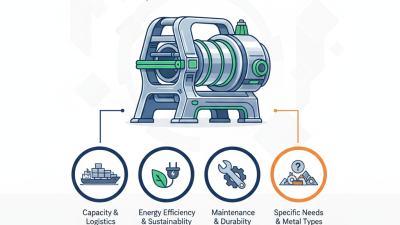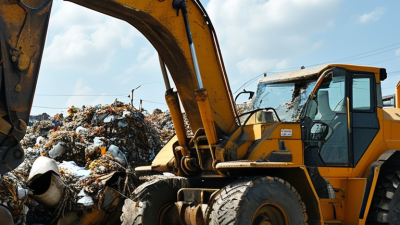
Choosing a Hydraulic Metal Baler in 2026 requires more than comparing purchase prices. The machine must match your scrap type, daily volume, available space, and operating skills. Steel sheets, aluminum profiles, and crushed cans behave differently inside the chamber. That difference affects feeding, compression, bale shape, and maintenance needs. A practical evaluation begins with your actual workflow. Measure the material received during a normal week. Record peak loads, bale sizes, and loading methods. Do not rely only on showroom demonstrations. They can look impressive.
Examine hydraulic pressure, cycle time, feed opening, motor efficiency, and bale density. Ask whether the machine handles your heaviest material without repeated jams. Inspect welds, hoses, seals, guards, and control panels closely. Small weaknesses often become expensive problems. Safety matters just as much as production speed. Confirm emergency stops, interlocks, operator training, and clear maintenance procedures. Reliable manufacturers should provide manuals, warranty terms, spare-parts support, and traceable quality information. Speak with experienced operators when possible. Their comments about noise, oil leaks, and access panels can reveal practical limitations. Calculate ownership costs, including electricity, hydraulic oil, wear parts, labor, and downtime. Bigger is not always better. A larger baler may waste space and energy if your feedstock is limited. No checklist is perfect. I may still overlook a factor during selection. Review your assumptions before signing an order. Choose carefully, not quickly.
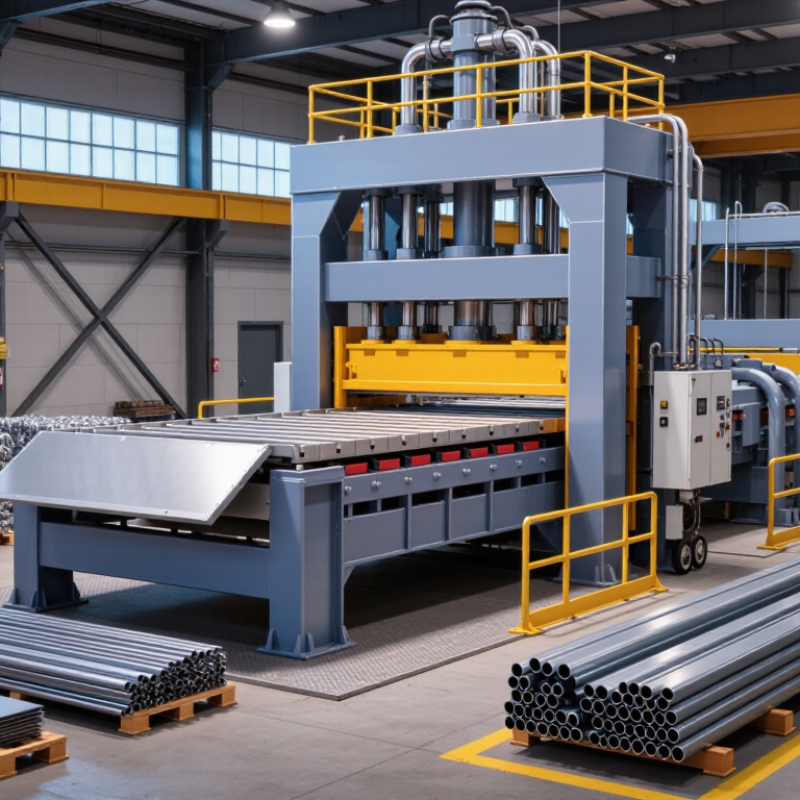
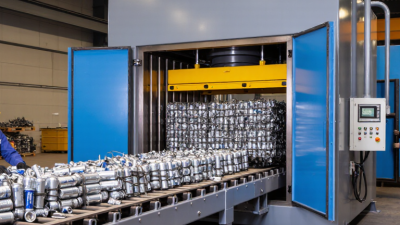
A hydraulic metal baler compresses loose scrap into dense, manageable bundles. It uses hydraulic pressure instead of mechanical impact to move a heavy ram. This design suits steel sheets, cans, wire, and other recyclable metal pieces.
The operating cycle is straightforward. An operator loads prepared metal into a reinforced chamber. A hydraulic pump sends oil through control valves. The oil pushes one or more cylinders, driving the ram forward. Pressure rises as the metal fills empty spaces. When the preset limit is reached, the ram retracts, and the finished bale is removed or tied according to the machine design.
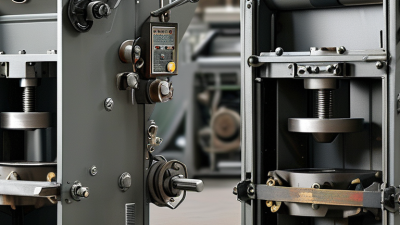
Small details affect daily performance. I would inspect the chamber opening, ram travel, cylinder seals, and emergency stops before comparing output figures. A larger chamber may increase production, but it also needs more floor space and stronger material handling. Check the rated force against your actual metal thickness, not an ideal sample. Overloading can damage seals and distort the bale shape. It happens.
Modern models may include pressure sensors, cycle counters, energy-saving pumps, and fault alerts. These features improve monitoring, but they cannot replace routine cleaning or trained operation. Ask for documented force ratings, noise data, maintenance intervals, and spare-part availability. Hydraulic oil temperature also matters during long shifts. A practical trial with your own scrap often reveals problems that brochures miss. Loose wire, oily sheets, or uneven loading can slow the cycle and produce unstable bales.
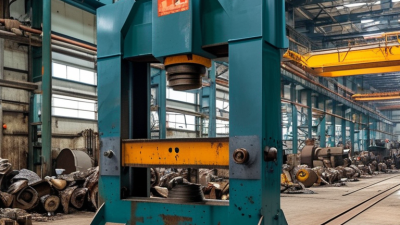
How to Choose a Hydraulic Metal Baler in 2026?
The right baler depends on the metal types and daily scrap volume. Steel cans, aluminum profiles, copper wire, and mixed sheet metal behave differently under pressure. Aluminum usually compresses easily, while thick steel needs stronger cylinders and a reinforced chamber. Do not judge capacity by weight alone. Loose volume, metal density, and loading consistency also affect performance.
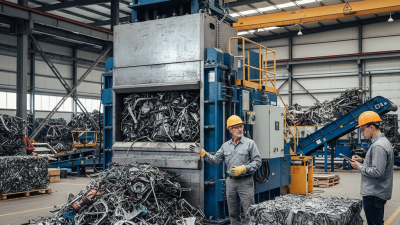
Measure your real workload for at least one week. Record peak hours, average batch size, and the largest pieces entering the chamber. A small workshop processing two tons weekly may need a compact horizontal baler. A recycling yard handling 30 tons daily needs higher throughput, larger feed openings, and continuous hydraulic cooling. Bale dimensions matter too. Dense, uniform bales are easier to store and transport. Wet or oily scrap can slow feeding and increase maintenance.
In practice, operators often underestimate mixed-metal volume. I have seen a machine selected for average loads struggle during seasonal peaks. That mistake is expensive. Leave operating capacity below the advertised maximum. Check whether the baler accepts your longest profiles, thickest plates, and occasional oversized pieces. Ask for test pressing with your own samples. Numbers look convincing. Actual scrap is messier.
Matching capacity, bale size, and compression force starts with the material, not the machine brochure. Loose aluminum cans, steel offcuts, and mixed sheet metal behave differently inside the chamber. Record your average daily volume and peak hourly load. A baler rated for 10 tons daily may struggle during a busy shift. Leave practical headroom. Real loads are rarely consistent.
Bale size should fit your handling system. Measure the forklift opening, storage rack, truck bed, and downstream feeding area. A compact bale may improve stacking, but it can increase cycle time. A larger bale saves handling trips and floor space. Check the chamber dimensions carefully. The stated bale size may describe an adjustable range, not the normal output. That detail is easy to miss.
Compression force determines density, but more force is not always better. Dense steel bundles need stronger structural support and reliable hydraulic control. Softer materials may reach the target density with less force. Compare force with chamber volume, ram stroke, cycle time, and motor power. Ask for test bales using your own material. A supplier’s sample can look excellent, yet your feedstock may contain longer pieces or uneven thickness. Measure bale weight and dimensions over several cycles. Then calculate density and production rate. My own preference is a slightly slower machine with stable bales, although this choice can reduce peak output. Performance data should be verified on the floor, not accepted from a single specification sheet.
How to Choose a Hydraulic Metal Baler in 2026?
When evaluating power, match the hydraulic system to your actual feedstock. Power is not everything. Motor size, pump flow, pressing force, and duty cycle must work together. A high-powered machine may waste energy when processing thin sheet metal. Dense bundles require stronger compression and stable pressure control. Measure the feedstock. Record its thickness, moisture, loading frequency, and average bundle weight before comparing specifications.
Automation should reduce handling without hiding important decisions. A programmable controller can manage filling, pressing, tying, and bale ejection. Useful sensors detect chamber position, pressure changes, and incomplete cycles. Remote monitoring may reveal overheating or unusual delays before they cause downtime. However, excessive automation can complicate repairs. My own preference has changed after seeing simple sensor faults stop an otherwise sound machine. Manual override controls still matter.
Safety features deserve practical testing, not just a checklist. Look for guarded loading areas, interlocked doors, emergency stops, pressure relief protection, and clear fault signals. The controls should remain reachable from a safe standing position. Small gaps matter. Ask whether operators can clean the chamber without entering a dangerous zone. Test restart behavior after power loss. A machine that restarts unexpectedly is unacceptable. Review maintenance access, training needs, and local requirements with qualified personnel before purchase.
Use the following baseline weighting when comparing hydraulic metal balers. Safety and production fit should normally receive the greatest attention, while automation should be evaluated against labor availability and required cycle consistency.
How to Choose a Hydraulic Metal Baler in 2026?
Installation should be judged before the purchase order. Measure the doorway, floor loading, power supply, and crane access. Check the feed opening against your actual scrap dimensions. A small opening can create dangerous manual handling and slower cycles. The U.S. EPA reported 292.4 million tons of municipal solid waste generated in 2018. That volume shows why throughput planning matters, even for smaller yards. Ask for a written commissioning plan, guarding details, electrical requirements, and operator training. Fit matters.
Maintenance costs often hide inside hydraulic components. Compare oil capacity, filter prices, hose availability, seal kits, and recommended service hours. Request a maintenance log template and parts list with delivery times. The Institute of Scrap Recycling Industries’ 2023 economic impact study linked recycling activity to more than 500,000 U.S. jobs. That workforce depends on equipment that returns to service quickly. Downtime hurts. A supplier should provide fault codes, remote troubleshooting, and qualified field support. Do not accept vague promises.
Compare total cost, not only the machine invoice. Include freight, foundation work, installation labor, electricity, consumables, inspections, and lost production. Ask for cycle-time data using material similar to yours. A neat payback model can still be wrong when scrap density changes. My practical preference is a conservative calculation using lower throughput and higher maintenance costs. Ask for evidence. Review references from facilities with similar volumes, metals, and working conditions before signing.
| Comparison Dimension | Light-Duty Hydraulic Baler | Medium-Duty Hydraulic Baler | Heavy-Duty Hydraulic Baler | High-Throughput Industrial Baler |
|---|---|---|---|---|
| Typical application | Small metal recycling yards, workshops, and occasional scrap processing | Fabrication plants, vehicle dismantlers, and regular mixed-scrap processing | Large recycling facilities and continuous steel or non-ferrous scrap processing | High-volume scrap centers requiring automated feeding and extended operating hours |
| Nominal pressing force | 30–60 metric tonnes | 80–120 metric tonnes | 150–200 metric tonnes | 250–400 metric tonnes |
| Typical motor power | 7.5–15 kW | 18.5–30 kW | 37–55 kW | 75–132 kW |
| Indicative production capacity | 0.3–1.0 tonnes per hour | 1.0–3.0 tonnes per hour | 3.0–7.0 tonnes per hour | 7.0–15.0 tonnes per hour |
| Typical bale dimensions | Approximately 200–400 × 200–400 × 300–600 mm | Approximately 250–500 × 250–500 × 400–800 mm | Approximately 300–600 × 300–600 × 500–1,000 mm | Approximately 400–700 × 400–700 × 600–1,200 mm |
| Typical bale weight | 20–80 kg | 50–180 kg | 100–350 kg | 200–600 kg |
| Electrical requirement | Usually ત્રણ-phase 380–415 V, 50 Hz; smaller units may support 220–240 V | Three-phase 380–415 V, 50 Hz; verify local voltage and starting current | Three-phase industrial power supply with dedicated electrical protection | Dedicated high-capacity electrical system, control cabinet, and automated safety interlocks |
| Installation requirement | Level concrete floor; forklift access; basic hydraulic and electrical connection | Reinforced level floor, loading zone, electrical isolation switch, and trained installer | Engineered foundation, lifting equipment, guarding, and commissioning by qualified technicians | Site layout engineering, material-feeding system, safety fencing, automation integration, and full commissioning |
| Estimated installation time | 1–2 days after delivery | 2–5 days, excluding foundation work | 5–10 days, depending on site preparation and commissioning | 2–6 weeks for complete line installation and performance testing |
| Routine maintenance | Daily cleaning; weekly leak and fastener checks; hydraulic oil inspection every month | Daily cleaning; weekly lubrication and hose inspection; filter and oil service according to operating hours | Scheduled hydraulic filter replacement, pressure checks, cylinder inspection, and electrical cabinet maintenance | Preventive maintenance program, condition monitoring, spare-parts planning, and scheduled shutdown servicing |
| Common wear parts | Seals, hydraulic hoses, cutting edges, electrical switches, and oil filters | Seals, hoses, valves, guide plates, cutting edges, sensors, and filters | Hydraulic seals, pumps, valves, wear liners, sensors, hoses, and electrical components | Hydraulic pumps, proportional valves, cylinders, wear liners, sensors, conveyors, and control-system components |
| Indicative purchase budget in 2026 | USD 18,000–35,000 | USD 35,000–75,000 | USD 70,000–140,000 | USD 130,000–250,000+ |
| Other first-year costs | Installation, electrical work, initial oil fill, tooling, and operator training | Foundation reinforcement, commissioning, lifting, spare parts, and safety equipment | Civil works, transport, installation crew, electrical upgrades, and initial maintenance stock | Line integration, automation, civil works, operator training, spare-parts inventory, and service contract |
| Recommended supplier support | Remote installation guidance, operating manual, wiring diagram, and standard spare-parts list | On-site commissioning, operator training, troubleshooting support, and documented maintenance schedule | Factory acceptance testing, installation supervision, response-time commitment, and local technical coverage | Complete project management, performance guarantee, remote diagnostics, preventive service, and stocked critical spares |
| Minimum warranty expectation | At least 12 months for manufacturing defects | At least 12 months, with clear exclusions for wear parts and misuse | 12–24 months, subject to commissioning and documented maintenance | 12–24 months plus optional service-level agreement for uptime-critical applications |
| Best choice when | Scrap volume is limited and a low initial investment is the priority | The operation needs a balance between capacity, flexibility, and operating cost | High daily throughput and dense, consistent bales justify stronger equipment | The facility requires continuous production, automation, and measurable uptime |
Note: Capacity, price, bale weight, installation time, and power requirements are indicative 2026 market ranges for standard hydraulic metal balers. Actual results vary with metal type, feed density, loading method, automation level, local electricity standards, freight, civil works, and supplier configuration.