Top 2026 Scrap Baling Press Machine Features and Benefits?
The Scrap Baling Press Machine is a crucial tool for recycling industries. As global waste generation reaches 2.01 billion tons annually, efficient management of scrap materials is vital. This machine helps compact waste, enhancing storage and transport efficiency. According to industry reports, the demand for baling presses is expected to grow by 4.5% between 2023 and 2028.
In addition to improving operational efficiency, these machines reduce environmental impact. They can minimize landfill use by compressing scrap into manageable bales. This process fosters better recycling rates and conserves valuable resources. However, companies must carefully evaluate their machine needs. Choosing the right press is critical for maximizing benefits, as different features cater to diverse applications.
Despite the advantages, challenges persist. Users should be aware of maintenance demands and potential operational issues. Investing in high-quality Scrap Baling Press Machines can mitigate these risks. Balancing cost and efficiency requires consideration of long-term goals. Exploring cutting-edge features ensures optimal and responsible waste management in a growing market.
Key Features of Scrap Baling Press Machines for 2026
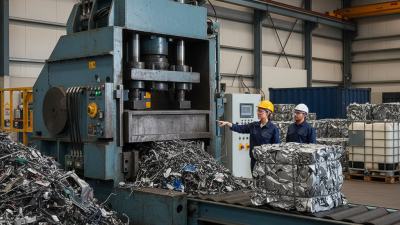
In 2026, scrap baling press machines are evolving with advanced features. These machines must be efficient, reliable, and user-friendly. The key features include high compression ratio, automated operations, and robust safety systems. High compression ensures compact bales, maximizing storage and transport efficiency. Automation reduces labor costs, while safety features protect operators.
Considering the use of technology, many machines now include digital controls. These controls allow for precise measurement and monitoring. As a result, users can fine-tune operations for optimal performance. Maintenance alerts are also common, aiding longevity and reducing downtime.
Tips: Regular maintenance is crucial. Check hydraulic fluids and wear parts frequently. This simple step can prevent costly repairs. Additionally, understanding the machine’s manual can enhance safety. Ignoring warnings in the manual could lead to accidents. Be proactive in your operational approach, and always prioritize safety above all.
Advantages of Using Advanced Scrap Baling Press Technology
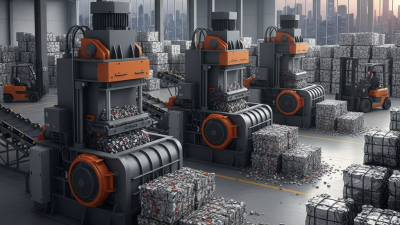
Advanced scrap baling press technology offers significant advantages for businesses in various industries. These machines are designed to maximize efficiency while minimizing waste. They compress loose scrap into dense bales, making transportation easier and more cost-effective. With the rise of recycling initiatives, these presses become essential tools. Their ability to process different materials, such as metals, plastics, and cardboard, enhances operational versatility.
One of the primary benefits is their automation features. Many modern machines are equipped with intelligent controls. This allows for precise operation and reduces manual labor. Operators can set parameters easily and monitor performance in real time. Enhanced safety measures also improve workplace conditions. Automatic shut-off features and emergency stop buttons promote a safer work environment.
However, not all businesses may be ready to implement this technology. Some may lack the necessary infrastructure or training for their employees. Regular maintenance is also crucial to ensure optimal performance. Waiting times for repairs can lead to frustrating downtimes. It's important to weigh these factors carefully to make an informed investment decision. Balancing the costs against potential savings is vital for long-term success.
Environmental Impact: Benefits of Efficient Recycling with Baling Presses
Efficient recycling plays a vital role in reducing waste and minimizing environmental impact. Baling presses are essential machines that help streamline this process. By compacting materials like cardboard, plastic, and metal, they create manageable bales. These bales are easier to transport and store, making recycling more accessible.
Using baling presses significantly decreases the amount of waste sent to landfills. This reduces greenhouse gas emissions and conserves natural resources. Efficient recycling also promotes a circular economy, where materials are reused. However, not all recycling facilities have the necessary equipment. Some struggle with outdated methods that hinder efficiency and increase costs.
While baling presses offer clear benefits, they also come with challenges. Initial investment costs can be high. Maintenance is another concern, as regular servicing is needed for optimal performance. Educating staff about operating these machines is essential for maximizing efficiency. Effective training can mitigate risks and improve safety. Overall, embracing modern baling technology is key to enhancing recycling efforts and protecting our environment.
Top 2026 Scrap Baling Press Machine Features and Benefits
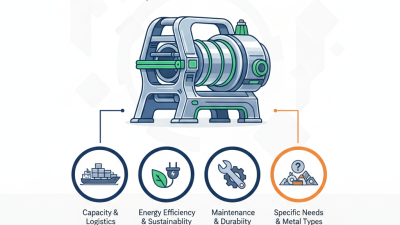
This chart highlights key benefits of scrap baling press machines, showcasing their features that contribute to environmental efficiency and operational advantages in recycling processes.
Cost-Effectiveness of Modern Scrap Baling Press Solutions
The cost-effectiveness of modern scrap baling press solutions is a significant consideration for industries focusing on recycling and waste management. According to a report from the International Recycling Association, utilizing advanced baling technology can reduce processing costs by up to 30%. These machines efficiently compress scrap materials, optimizing space and improving transportation logistics.
Investing in new baling solutions may seem daunting. However, the long-term savings often outweigh these initial costs. A study by the Waste Management Research Institute indicates that companies can recoup their investment within three years through reduced labor and disposal expenses. Efficient baling minimizes waste volume, cutting landfill costs and enhancing overall operational efficiency.
There are still challenges. Some users have reported underperformance in high-density materials, indicating a need for continuous improvement. Upgrading to the latest models is crucial, but companies must also monitor performance metrics closely. Real-world case studies reveal that not all machines perform equally in diverse conditions, highlighting the importance of tailored solutions.
Future Trends in Scrap Baling Press Machine Innovations
The future of scrap baling press machines is bright, driven by innovative technologies. One notable trend is the integration of automation. Automated systems can enhance efficiency and reduce labor costs. These machines are increasingly equipped with smart sensors and AI. They can monitor operations in real time, adjusting pressure and speed as needed.
Another key innovation is energy efficiency. Manufacturers focus on creating machines that use less energy without sacrificing performance. This not only lowers operational costs but also aligns with global sustainability goals. Following this trend, some machines utilize renewable energy sources, which can help companies reduce their carbon footprint.
Moreover, user-friendly interfaces are becoming standard. These interfaces simplify operations, making it easier for workers to operate machines. As technology evolves, expect to see more advanced features. For example, predictive maintenance alerts may inform users when components need service. This can prevent unexpected breakdowns and increase machine longevity. Despite these advancements, ongoing improvements are necessary. The industry must continually adapt to meet changing environmental regulations and customer demands.
Top 2026 Scrap Baling Press Machine Features and Benefits
| Feature |
Benefit |
Innovation Trend |
| High Compression Ratio |
Increased density of baled material |
Improved energy efficiency in operation |
| Automatic Bale Ejection |
Reduced labor costs and increased productivity |
Integration with smart automation systems |
| User-Friendly Control Panel |
Simplified operation for all skill levels |
Touchscreen interfaces and remote operation |
| Energy-Efficient Motors |
Lower operational costs and environmental impact |
Trend towards sustainable machine design |
| Modular Design |
Easier upgrades and maintenance |
Customization options based on usage needs |