Best Scrap Metal Shear Options for Global Buyers?
The demand for Scrap Metal Shear equipment is rising globally. The recycling industry is projected to grow significantly, with reports estimating a compound annual growth rate (CAGR) of 4.5% by 2027. As more industries turn to recycling, the need for efficient metal processing solutions increases.
Scrap Metal Shears play a critical role in this transformation. These machines facilitate the quick and effective cutting of metal scraps. They help improve recycling efficiency and sustainable practices. One report highlights how optimizing scrap processing can lead to sizable energy savings.
However, various factors complicate the selection of the best Scrap Metal Shear. Quality, durability, and operational costs vary widely among different models. Buyers must assess their specific needs carefully. Making the wrong choice can lead to downtime and increased expenses. Selecting a reliable shear requires thoughtful consideration of all options available in the market.
Overview of Scrap Metal Shears and Their Importance in Metal Recycling
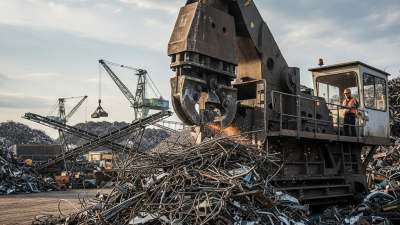
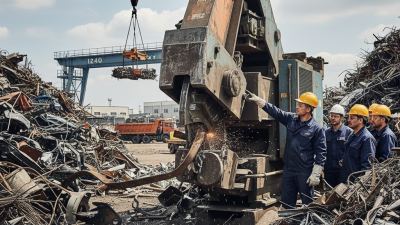
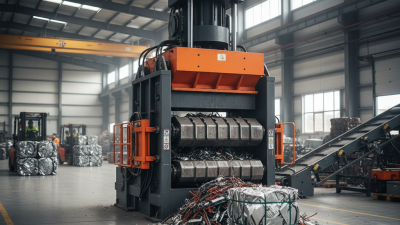
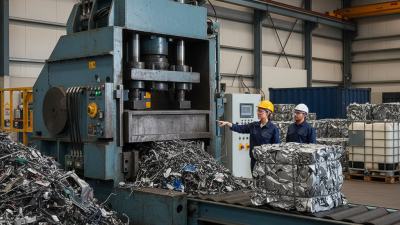
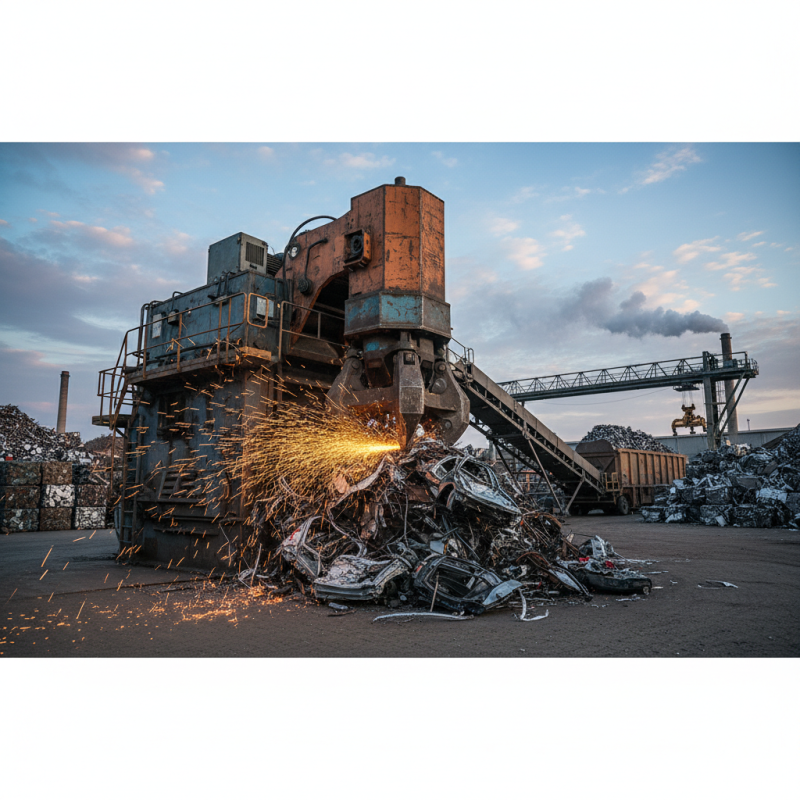
Scrap metal shears play a crucial role in the metal recycling industry. Their primary function is to cut and shear various types of metal. This process is essential for recycling centers, where separating materials effectively can impact efficiency and profitability. The right shear can drastically reduce labor time while ensuring precision in cutting.
Choosing the right shear requires careful consideration. Factors such as the type of metal, thickness, and frequency of use need evaluation. It's advisable to consult with professionals who understand metal properties and recycling needs. Investing in high-quality shears can lead to better performance and durability.
Tips: Always maintain your shears properly. Regular maintenance extends their lifespan. Adjust your cutting technique based on the material and thickness. Recognizing when to replace blades can save time and resources. Understand that even with the best tools, challenges in cutting may arise. Reflection on past experiences can guide better practices in the future.
Key Features to Consider When Selecting Scrap Metal Shears
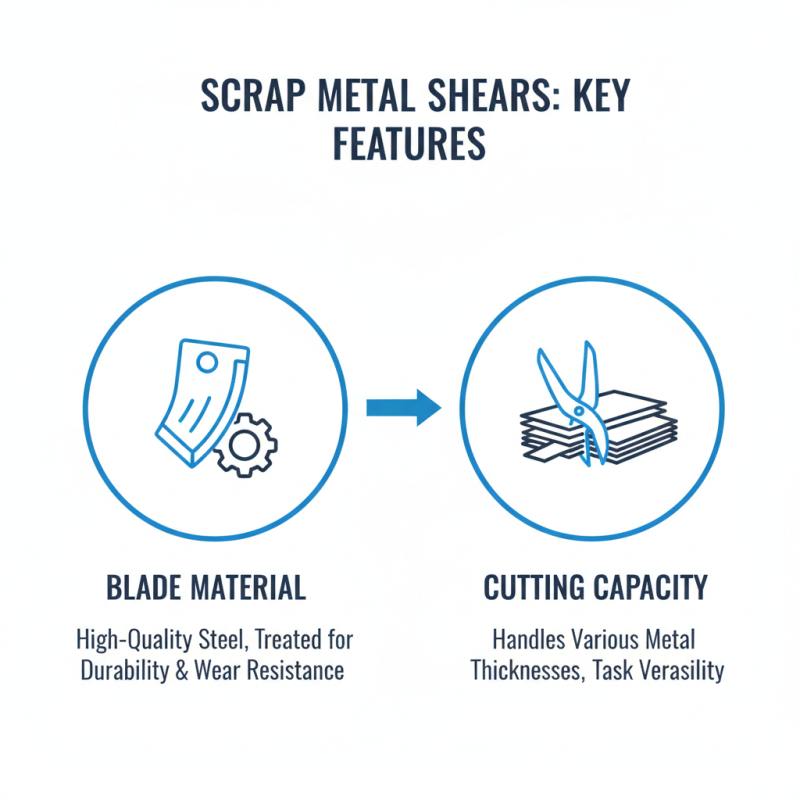
When choosing scrap metal shears, several key features can greatly influence the decision. First, consider the blade material. High-quality steel blades ensure durability and longevity. Blades that are treated for strength resist wear over time. Additionally, the shear's cutting capacity is essential. Buyers should look for shears capable of handling various thicknesses of metals. This flexibility allows for versatility in different tasks.
Another important factor is the shear’s weight and balance. Heavier models may absorb impact better, reducing strain on the user. Yet, lighter models can enhance maneuverability. It’s crucial to strike the right balance for comfort during prolonged use. Ergonomic handles are also significant. They provide better grip and reduce hand fatigue, promoting efficiency.
Moreover, think about the shear’s cutting speed. Faster cuts may increase productivity but can affect precision. Reflect on how often you need high-speed cuts versus accuracy. While some users may prioritize speed, others may find precision necessary for their projects. Each option comes with trade-offs, requiring careful consideration before making a purchase.
Top Brands and Manufacturers of Scrap Metal Shears in the Market
When it comes to scrap metal shears, choosing the right manufacturer is crucial for efficiency and reliability. Many brands are renowned for their high-quality products. They offer a range of options suitable for different metals and project scales. A well-designed shear can significantly enhance productivity.
Not all manufacturers are created equal. Some focus heavily on innovation while others emphasize durability. It’s essential for buyers to assess the specific needs of their operations. Industry experts often recommend exploring shears that provide adjustable cutting powers. This feature allows for versatility in handling various scrap materials.
While brand reputation plays a significant role, buyers should also consider user feedback. Reviews from operators can reveal insights into the machine’s performance in real-world conditions. A shear may look robust but could underperform or be challenging to maintain. Evaluating these details is vital for making an informed decision. Always keep an eye on emerging brands that offer fresh solutions in the market.
Comparison of Hydraulic vs. Mechanical Scrap Metal Shears
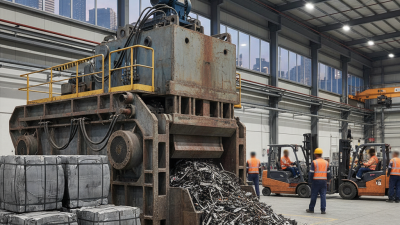
When choosing between hydraulic and mechanical scrap metal shears, important differences emerge. Hydraulic shears are recognized for their efficiency in cutting thicker metals. They operate using fluid pressure, allowing for substantial force. Reports indicate they can cut materials exceeding 1 inch in thickness. This makes them ideal for heavy-duty applications.
On the other hand, mechanical shears depend on a different mechanism. They use a system of gears and levers to provide cutting force. This method often results in a quicker operation for lighter materials. However, they may struggle with tougher metals. According to industry studies, mechanical shears tend to be less flexible and might require more maintenance over time. The choice of shear influences productivity and operational costs.
Operators should evaluate their specific needs before making a decision. Key factors include the type and thickness of materials handled. Hydraulic options might require a higher upfront investment, yet they often yield better long-term performance. Conversely, mechanical shears may offer initial cost savings but could lead to higher maintenance scrutiny. Balancing these trade-offs ensures a better fit for any scrap processing operation.
Best Scrap Metal Shear Options for Global Buyers
| Type |
Cutting Capacity (mm) |
Weight (kg) |
Power Source |
Price Range (USD) |
| Hydraulic |
12 |
950 |
Hydraulic |
$5,000 - $7,500 |
| Mechanical |
10 |
700 |
Electric |
$3,500 - $5,000 |
| Hydraulic |
15 |
1,200 |
Hydraulic |
$8,000 - $12,000 |
| Mechanical |
8 |
500 |
Electric |
$2,000 - $3,500 |
Cost Analysis and Budgeting for Purchasing Scrap Metal Shears
When considering the purchase of scrap metal shears, cost analysis is critical. Buyers must evaluate upfront costs, maintenance, and operational expenses. Prices can vary significantly based on features and capabilities. A basic model may cost less, but advanced designs often offer better efficiency. Budgeting demands a thorough understanding of these factors.
Another consideration is the return on investment. A quality shear can enhance productivity and reduce labor costs. However, it’s essential to consider potential downtime. Cheaper models may break down more often, leading to lost time and unexpected expenses. Estimating total cost includes both purchase price and long-term viability.
Buyers should also assess their specific needs. What types of metal will you cut? How frequently will the shear be used? These questions can impact your budget. Researching and comparing options can reveal discrepancies in pricing and reliability. Ultimately, it’s about balancing initial costs with the potential value offered over time.
Cost Analysis of Scrap Metal Shears