Best Automatic Metal Balers for Global Buyers in 2026?
In the evolving landscape of metal recycling, Automatic Metal Balers have become indispensable. These machines streamline the baling process, enhancing efficiency for both small and large operations. They are designed to handle various metal types, from aluminum to steel. Many buyers seek reliable, high-quality equipment that meets their specific needs.
By 2026, the demand for Automatic Metal Balers is expected to rise. Global buyers are increasingly aware of the benefits these machines bring. They save time, reduce labor costs, and improve safety in recycling facilities. However, not all balers are created equal. Some models may lack durability or efficiency, leading to operational challenges. Buyers must conduct thorough research to find the most suitable options.
The right Automatic Metal Baler can make a significant impact on productivity. It is essential to consider factors such as capacity, ease of use, and maintenance requirements. As the market grows, continuous innovation is anticipated. Finding the perfect balance between cost and performance is critical for future buyers.
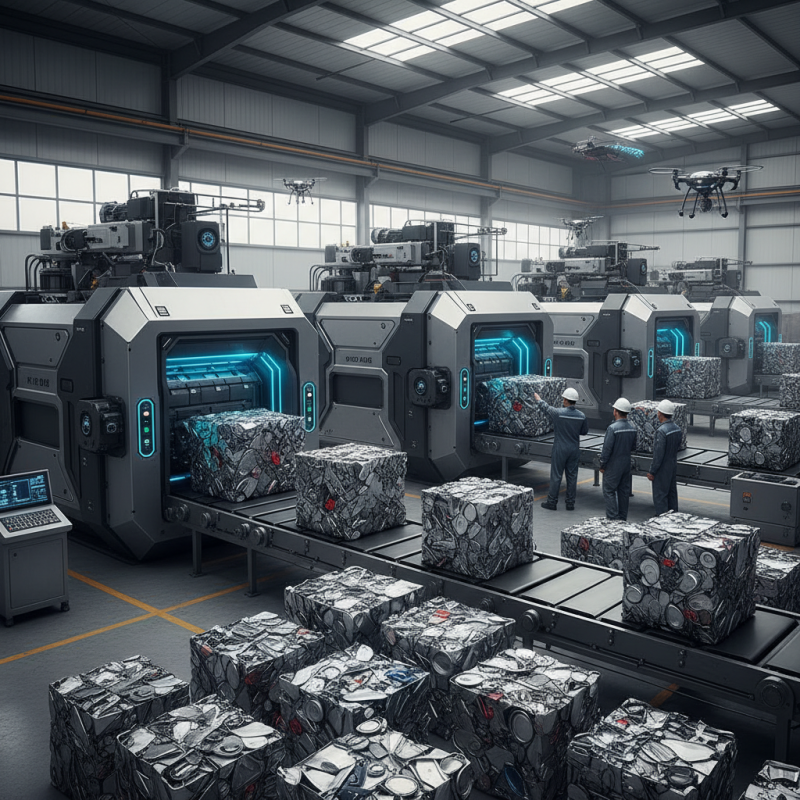
Overview of Automatic Metal Balers in 2026
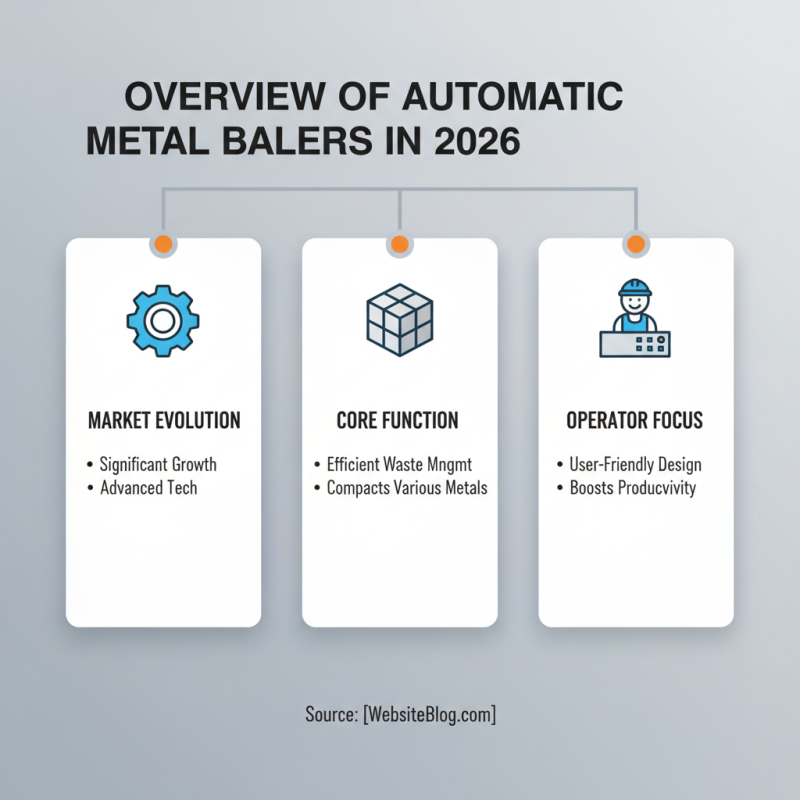
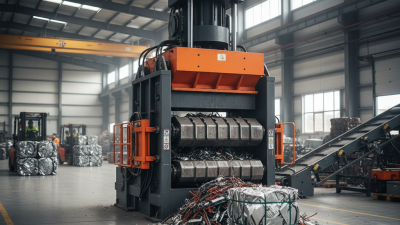
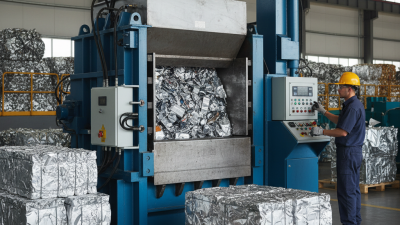
In 2026, the market for automatic metal balers is poised for significant evolution. These machines are essential for efficient metal waste management. They compact various metals into bales, optimizing space in recycling facilities. Operators seek machines that are not only efficient but also user-friendly. The ease of operation plays a crucial role in productivity.
New technologies improve the balers' performance and efficiency. Enhanced automation features reduce manual labor and increase throughput. Additionally, energy-efficient designs are becoming the norm, addressing environmental concerns. Buyers should consider these innovations as they reflect industry standards and trends. Maintenance is another key factor; reliable service ensures longevity, impacting long-term costs.
Despite these advancements, some challenges remain. For instance, the initial investment can be significant. Smaller businesses might struggle to justify this expenditure. Furthermore, technical issues can arise, requiring skilled technicians for troubleshooting. It's essential for buyers to weigh these factors before making a decision. Looking ahead, the demand for superior performance continues to drive development in this vital sector.
Key Features to Look for in Metal Balers
When choosing an automatic metal baler, buyers should focus on several key features. The baler's throughput capacity is essential. A report by Research and Markets shows that balers can handle between 15 to 60 tons per hour, depending on the model. Efficient processing speeds save time and reduce operational costs, a vital factor for industries aiming to boost productivity.
Another important aspect is the machine's durability and maintenance needs. A robust construction ensures longevity, while ease of maintenance minimizes downtime. Some balers feature user-friendly designs that simplify repairs and check-ups. For example, advanced hydraulic systems can increase both efficiency and safety in operation.
Additionally, safety features are non-negotiable. Balers must come equipped with automatic shut-off systems and emergency stops. Manual override capabilities are also critical for safety. Installations without proper safety measures can lead to accidents. Observing these factors can make a significant difference in operational efficiency and worker safety.
Best Automatic Metal Balers for Global Buyers in 2026
Top Manufacturers of Automatic Metal Balers
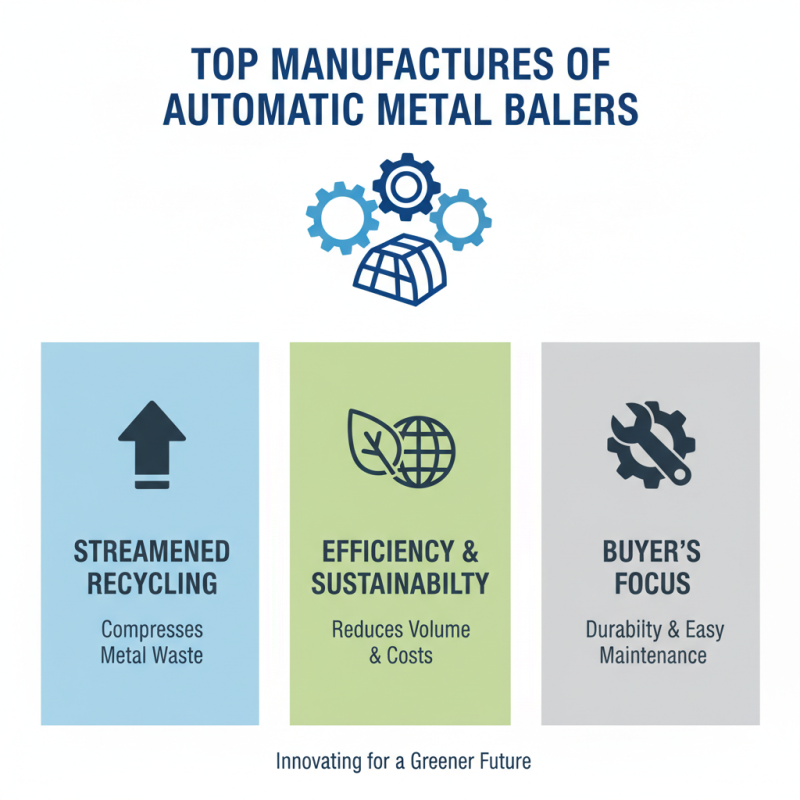
In the realm of recycling, automatic metal balers play a vital role. They streamline the process of compressing metal waste into manageable bales. This is crucial for both efficiency and sustainability. As demand grows, more manufacturers emerge, enhancing their designs. Buyers should consider key factors like durability and ease of maintenance. Quality balers can significantly reduce operational costs.
Top manufacturers focus on innovation and reliability. They utilize advanced technology to improve performance. These balers should deliver consistent results in demanding environments. Knowledgeable buyers prioritize vendors with a solid track record. A manufacturer’s experience usually indicates its ability to meet industry standards. However, some firms may rush design or compromise on quality. This can lead to performance issues over time.
Global buyers must do their research. Picking the right baler means considering local availability of parts and service. Reliable support systems ensure smooth operation and longevity. After all, a baler is a long-term investment. Understanding the market trends can help identify the best manufacturers and products. However, not every decision will be perfect. Reflection on past purchases can guide future choices. Each experience contributes to better decision-making.
Comparative Analysis of Global Metal Baler Models
The global market for automatic metal balers is evolving. According to recent data, the industry is expected to grow at a CAGR of 5.7% from 2023 to 2028. This growth means that manufacturers are focusing heavily on innovation and efficiency. Key features of advanced models include improved compression technology and energy efficiency.
When comparing various models, it's crucial to examine their throughput and bale density. Some models achieve up to 90% density, which maximizes space utilization. However, not all manufacturers prioritize durability, leading to a lifespan disparity among similar-looking machines. Furthermore, maintenance requirements can vary significantly, impacting overall operational costs.
Another aspect to consider is the user interface. Some models have intuitive controls, while others can be overly complex. Easy operation is crucial for minimizing training costs. Refining these aspects could lead to a more efficient manufacturing process. While many advancements exist, the industry must reflect on accessibility for smaller operators. Balancing innovation with practicality is essential for broader market appeal.
Future Trends in Metal Baling Technology and Innovation
The metal baling technology is evolving rapidly. Innovations focus on efficiency and sustainability. Future designs will integrate AI for improved operation. This technology will monitor performance in real-time, identifying issues before they cause downtime.
Another promising area is the development of eco-friendly materials. Manufacturers are exploring biodegradable options for baler components. These changes align with global sustainability goals. However, challenges remain. Many manufacturers hesitate to adopt new materials due to performance concerns. Balers must maintain durability while being environmentally friendly.
User experience will play a critical role in future designs. Controls will become more intuitive, embracing touchscreen interfaces. This should enhance usability for operators of varying skill levels. Training will need to adapt alongside these advancements. Balers of the future will demand ongoing education, creating potential gaps in workforce readiness. Striking a balance between technology and human operation is essential.
Best Automatic Metal Balers for Global Buyers in 2026
| Model |
Baling Capacity (tons/hour) |
Power Consumption (kW) |
Key Features |
Expected Price (USD) |
| Model A |
15 |
80 |
Automatic feed system, energy-efficient design |
$150,000 |
| Model B |
20 |
100 |
High compression ratio, PLC control |
$180,000 |
| Model C |
10 |
60 |
Compact design, mobile unit |
$120,000 |
| Model D |
25 |
120 |
Heavy-duty frame, advanced safety features |
$240,000 |
| Model E |
12 |
75 |
User-friendly interface, low maintenance |
$130,000 |