2026 Best Alligator Shear Blades for Global Buyers?
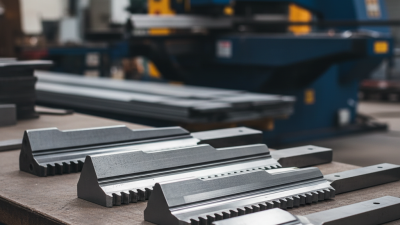
When it comes to efficient metal recycling, Alligator Shear Blades play a crucial role. These blades are designed to handle various materials, ensuring effective cutting and processing. Their significance extends beyond mere functionality; they help optimize recycling processes and reduce waste.
Understanding the importance of selecting the best Alligator Shear Blades is vital for global buyers. The market is flooded with options, making the decision daunting. Buyers need to consider factors like durability, compatibility, and performance. An informed choice can significantly impact operational efficiency.
Feedback from users highlights that not all blades meet their expectations. Some report premature wear or compatibility issues. A thoughtful approach is necessary to select the right blade for specific needs. Buyers must weigh reliability against budget constraints. This decision could affect overall productivity and cost-effectiveness in the long run.
Overview of Alligator Shear Blades and Their Applications
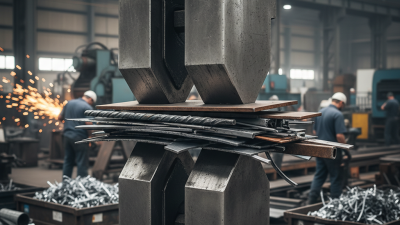
Alligator shear blades play a vital role in the metal processing industry. These blades are primarily used for cutting and shearing of metal scrap, providing efficiency and precision. According to a recent industry report, the demand for these blades is projected to grow by 5% annually over the next five years. This trend reflects not only the increasing need for scrap metal recycling but also advancements in blade materials and technology.
The applications of alligator shear blades extend beyond scrap yards. They are essential in construction and manufacturing sectors, where metal processing is a daily task. These blades excel in handling various metals, including steel and aluminum. An analysis shows that over 70% of industries require reliable shearing tools to minimize waste during production. However, the durability of the blades can vary, and some users report inconsistent performance. Addressing these issues requires ongoing research and innovation in blade design and material quality.
While the market is advancing, challenges remain. Users often face issues like blade wear and tear, affecting operational efficiency. A survey revealed that nearly 30% of operators expressed concerns about blade longevity. This highlights a need for better understanding of usage patterns and maintenance practices. Overall, the landscape of alligator shear blades is dynamic, demanding continual reassessment and adaptation to meet evolving industry needs.
Key Features to Consider When Selecting Alligator Shear Blades
When selecting alligator shear blades, understanding key features is crucial. One must consider material quality, blade hardness, and cutting precision. Reports indicate that high-carbon steel blades often provide superior edge retention. Hardness is measured on the Rockwell scale, and the optimal range for shear blades typically lies between HRC 48-60.
Durability is another vital factor. Blades with surface treatments tend to resist wear better. According to industry analyses, treated blades can last up to 30% longer than untreated ones. This translates to fewer replacements and lower costs in the long run.
Tips: Always review manufacturer specifications before making a purchase. Look for customer reviews that highlight performance in similar applications. Testing several options can lead to surprising insights about efficiency and performance. Remember, even the best blades can dull quickly without proper maintenance. Regular sharpening and proper handling can significantly extend their service life.
Comparison of the Top 2026 Alligator Shear Blade Brands
In the world of metal processing, alligator shear blades are vital tools. Selecting the right brand can significantly impact performance and efficiency. According to industry reports, the global alligator shear market is projected to reach $3.5 billion by 2026. This growth indicates a rising demand for high-quality shear blades from various sectors.
Top brands often focus on advanced materials and innovative designs. For example, blades made from high-speed steel or high-carbon steel show superior durability. A study by the Materials Research Society highlighted that the hardness of these materials can enhance cutting capabilities by up to 30%. However, not all brands maintain consistent quality. Variability in production processes can lead to inconsistent blade performance, prompting concerns among buyers.
Buyers should also consider the after-sales support offered by brands. Reliable customer service can significantly influence user experiences. One report revealed that 25% of users encountered issues requiring assistance within the first year. Understanding the intricacies of different shear blade options can aid in making informed decisions, yet sometimes the choices may feel overwhelming. Ultimately, the right selection will depend on the specific needs of each buyer.
Global Market Trends for Alligator Shear Blades in 2026
In 2026, the market for alligator shear blades is poised for transformation. Insights from industry experts suggest that demand is increasing, particularly in metal recycling and construction sectors. Renewable energy initiatives are also driving interest in high-quality shear blades. Buyers are looking for products that enhance efficiency and reduce operational costs.
However, not all products meet the same standards. Some blades wear out quickly, affecting overall productivity. Issues with compatibility can arise, where a blade might not fit all machines. Buyers need to buy from reputable sources to ensure quality. It’s essential to weigh options carefully before making purchases.
Sustainability considerations are increasingly important. Consumers seek blades manufactured using eco-friendly practices. This trend highlights the need for innovation in the manufacturing process. Despite potential challenges, the future looks promising for alligator shear blades. The focus on performance and reliability will shape buyer choices moving forward.
2026 Best Alligator Shear Blades for Global Buyers
| Type |
Material |
Thickness (mm) |
Expected Price (USD) |
Market Trend |
| Standard Blade |
High Carbon Steel |
10 |
$150 |
Stable Demand |
| Heavy-Duty Blade |
Alloy Steel |
12 |
$180 |
Growing Sector |
| Premium Blade |
Vanadium Steel |
15 |
$250 |
Increasing Popularity |
| Compact Blade |
Tool Steel |
8 |
$130 |
Niche Market |
| Reinforced Blade |
High-Performance Steel |
14 |
$220 |
Robust Growth |
Maintenance and Care Tips for Alligator Shear Blades
Proper maintenance of alligator shear blades ensures longevity and optimal performance. Regular inspection is vital. Check for signs of wear or damage frequently. Look for any dull edges or chips. A well-maintained blade enhances cutting efficiency and safety.
Cleaning is another essential maintenance step. After each use, wipe the blades with a damp cloth. Debris and residue can accumulate over time, affecting performance. For stubborn materials, a soft brush can help. Avoid using harsh chemicals, as they may damage the blade’s surface or coating.
Sharpening the blades regularly is crucial as well. Dull blades require more force and could lead to accidents. Use appropriate sharpening tools. Follow a consistent schedule based on usage frequency. Properly maintained blades not only cut better but also reduce overall wear and tear. Small details matter. Always invest time in care; it pays off in the long run.
2026 Best Alligator Shear Blades Performance Comparison